
Last updated November 21, 2026
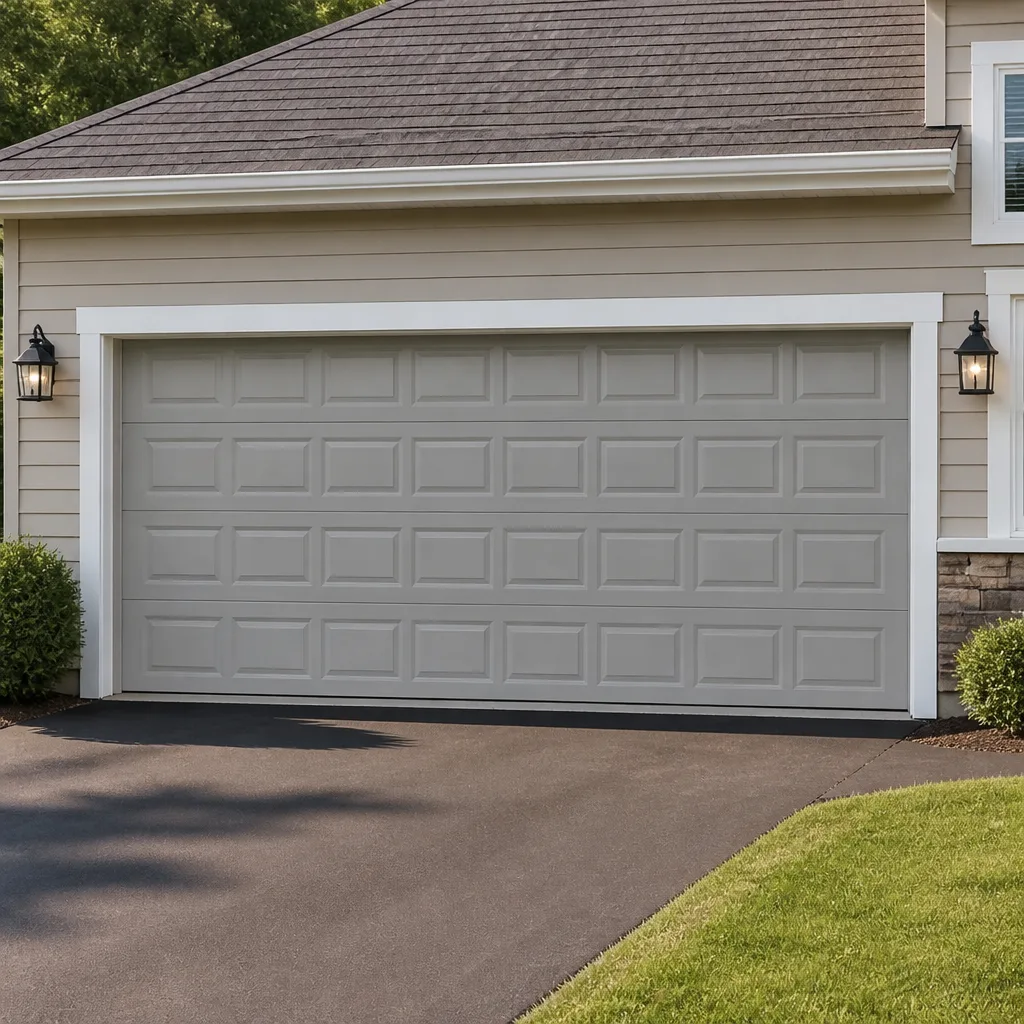 Raised-panel steel
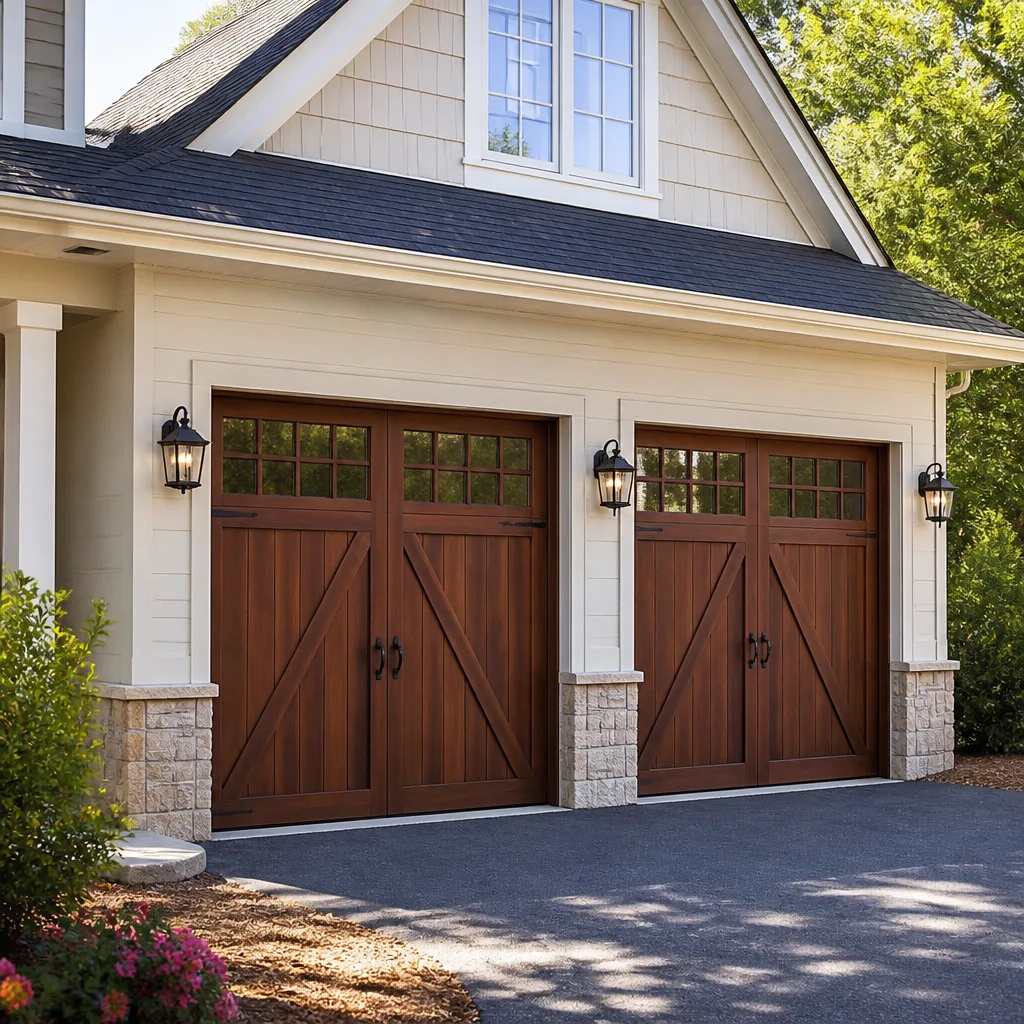 Carriage house
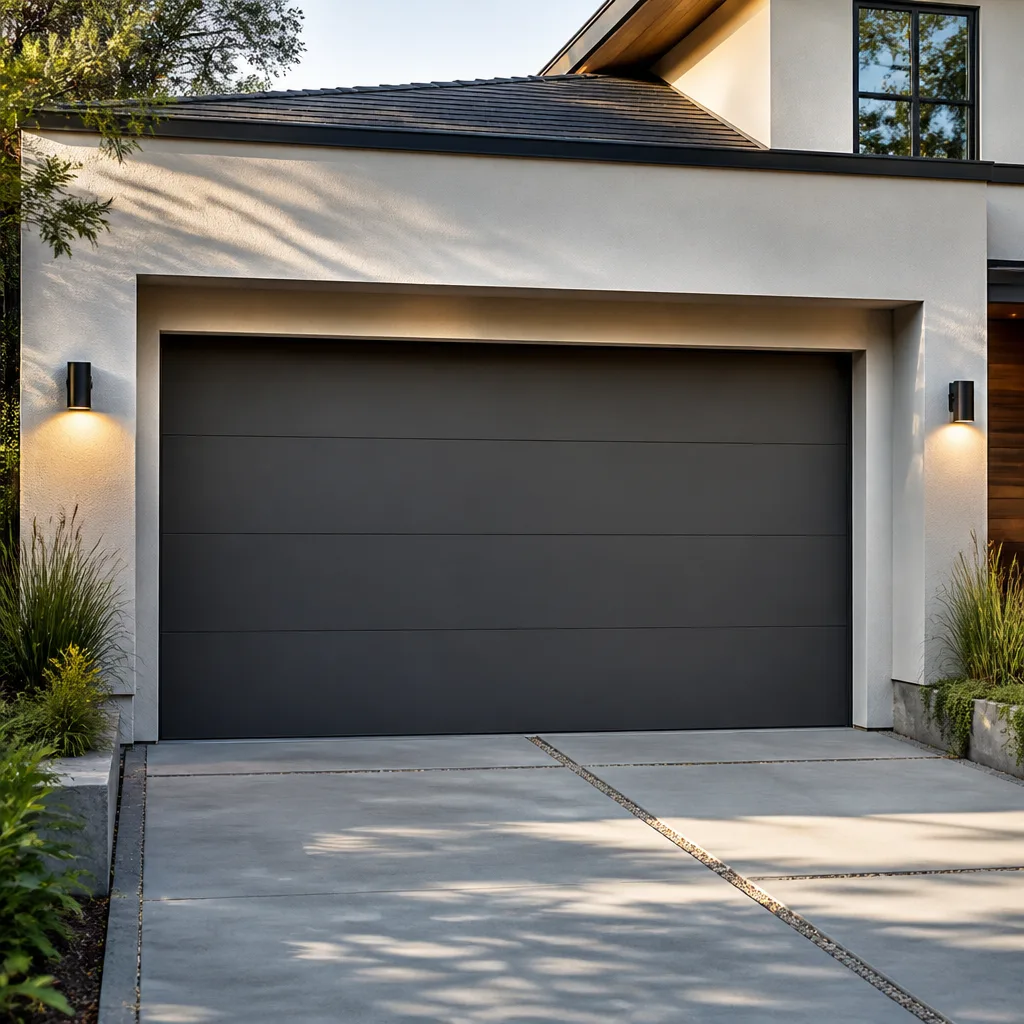 Modern flush
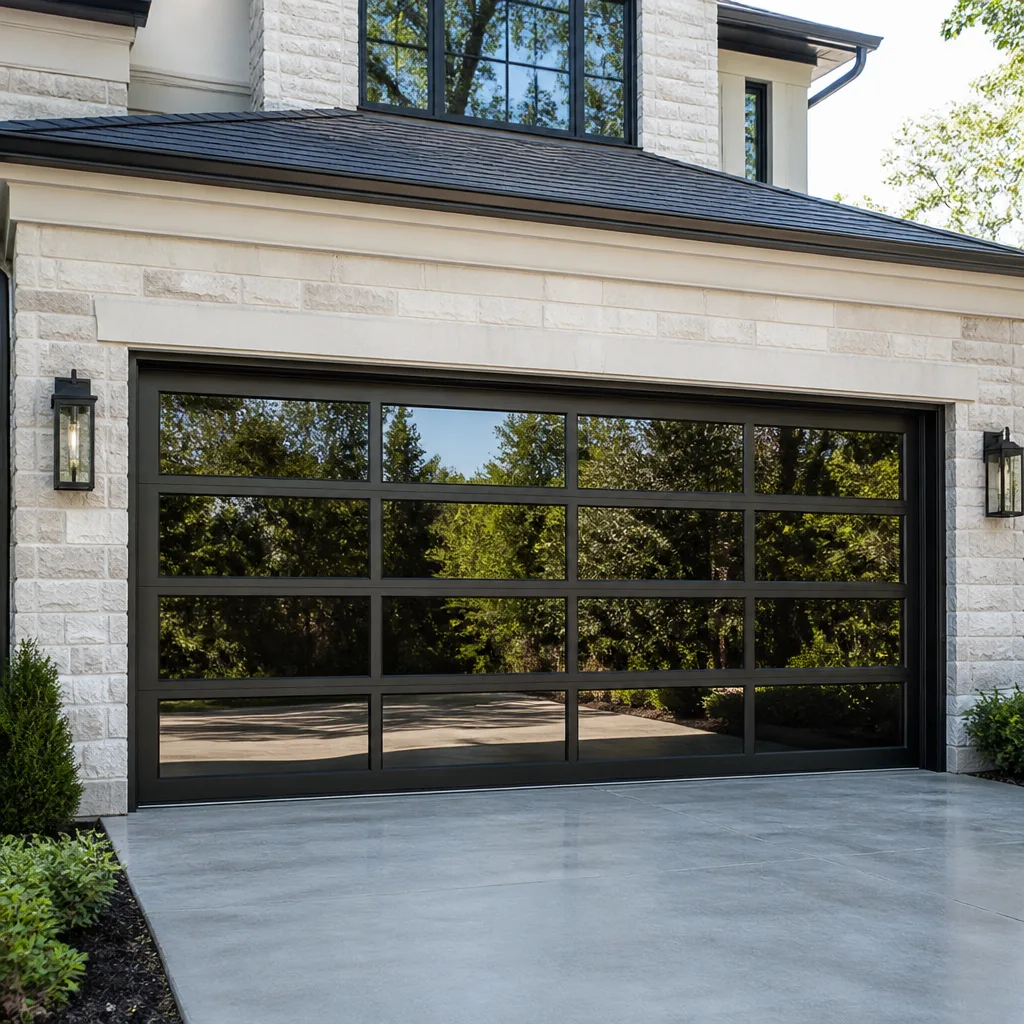 Full-view glass
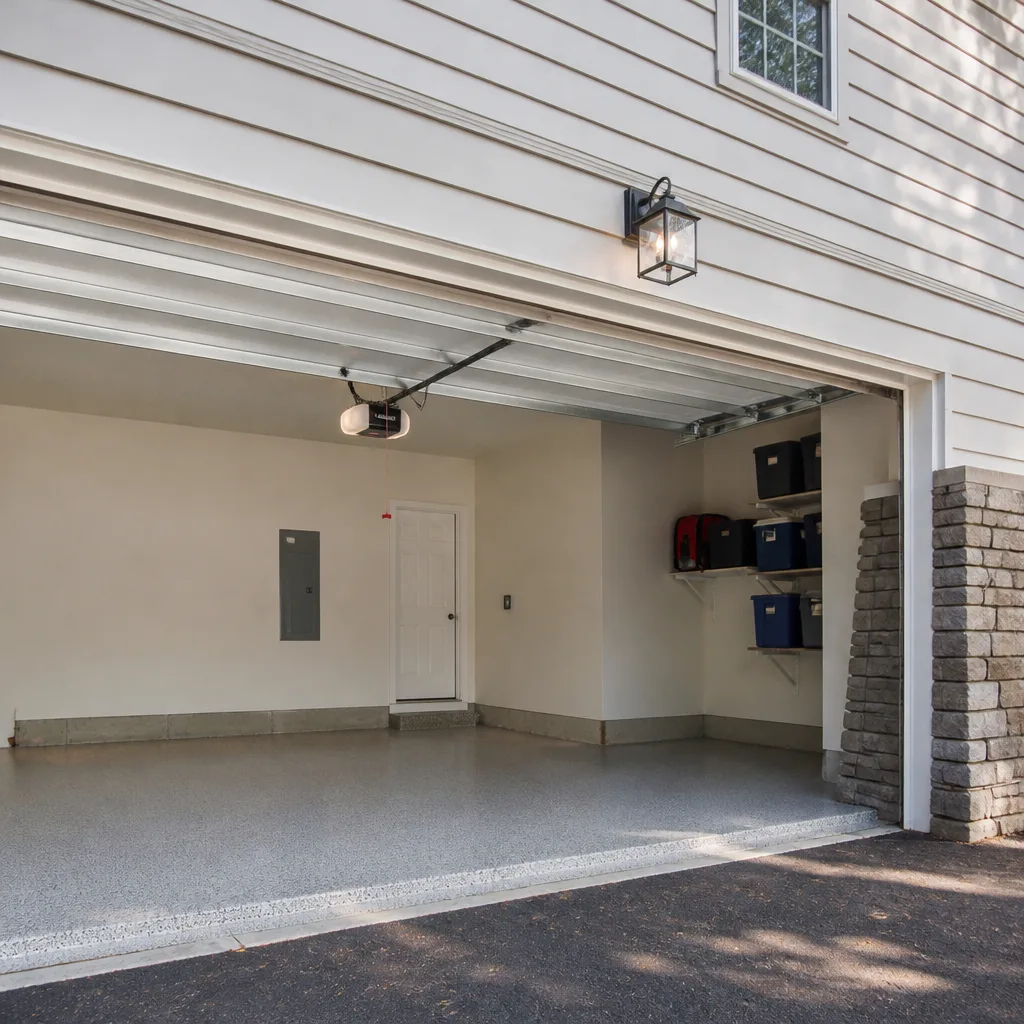 LiftMaster openers
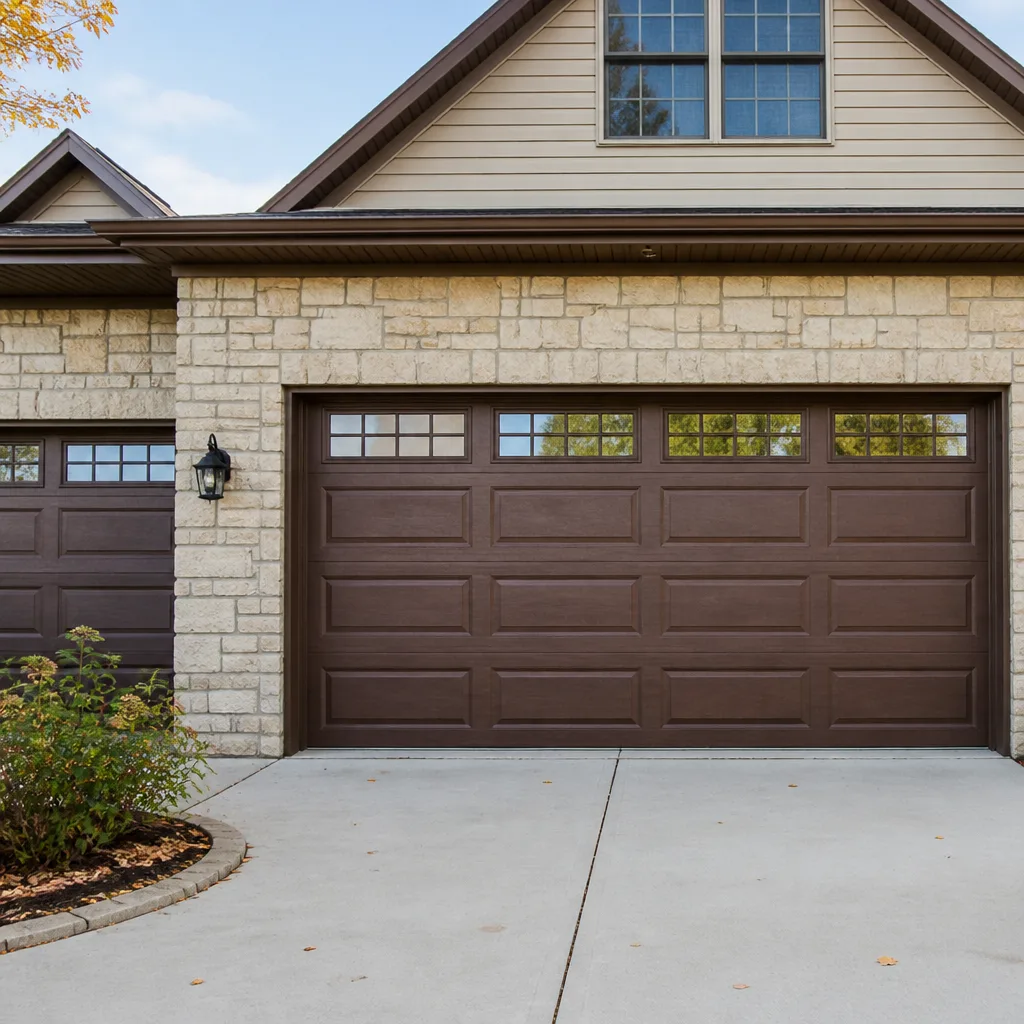 Chamberlain openers
Full 25-point door and opener safety check with every visit - springs, cables, rollers, tracks, and your LiftMaster or Chamberlain opener included
You get a price before we start. It does not change when the pro arrives.
Get your free estimateGarage Door Warning Signs: A Highland Park Homeowner’s Reference Guide
Most garage door guides treat every symptom the same way: something’s wrong, call somebody. That’s not how it works in practice. A door that shudders on the way down and a door that drops six inches in a second are both “broken,” but one gives you weeks to schedule a fix and the other means you shouldn’t run the motor again until a technician has looked at it. The distinction matters, and it’s the one most homeowners never get told. Highland Park winters put real stress on springs, tracks and opener gears, and the sound your door makes in January tells you more than the same sound in July. This guide separates the warning signs that mean schedule something soon from the ones that mean stop using the door today.
Quick Answer
Garage door warning signs fall into two groups: maintenance warnings and stop-now warnings. Maintenance warnings include squealing, slow movement, a slight shudder, or a single broken spring on a two-spring door; these mean book a repair but the door is still safe to use carefully. Stop-now warnings include a door that reverses without obstruction, a snapped spring, a door that hangs crooked, or a cable that’s come off its drum; these mean leave the door closed and call a technician before operating it again.
Styles & brands we work with
- Raised-panel steel
- Carriage house
- Modern flush
- Full-view glass
- LiftMaster openers
- Chamberlain openers
Table of Contents
- Why Your Door Reverses for No Reason
- Reading Your Springs: Gap, Rust, and Deformation
- What Each Noise Tells You
- Slow or Uneven Movement: Opener, Springs, or Track?
- Urgent vs. Annoying: An Honest Sort
- Why Highland Park Seasons Change the Symptoms
- Your Monthly Walk-Around: What to Check
- Repair First or Replace the Door?
Why Your Door Reverses for No Reason
A door that reverses without an obstruction is one of the clearest signs that the safety sensor system has drifted out of spec. That matters because the auto-reverse is the part of your garage door designed to protect people, and when it triggers falsely, it usually means the sensors are misaligned, dirty, or receiving a weakened signal. A door that reverses mid-travel may also be hitting the opener’s travel limit before it reaches the floor, which the opener reads as an obstruction.
If the door goes up a few inches, stops, and returns, that’s usually a sensor or travel-limit issue. If it goes most of the way down and then bounces back up, that’s either a genuine obstruction the opener is detecting too late or the down limit set wrong. Neither of these is a spring problem. They’re opener and sensor problems.
The fix depends on what you’ve got. If your opener is a LiftMaster or a Chamberlain, the sensor lenses are usually easy to identify and clear, but if the problem persists after you’ve wiped them, it’s an alignment or wiring issue. A Craftsman unit with the same symptoms may have a failing safety board. We work on all of these. If you’re in a Highland Park house built in the 1980s or later, your opener is most likely one of the three, and a garage door opener repair call can generally tell you within twenty minutes whether the issue is a sensor, a limit setting, or a board.
One thing most guides don’t say: if your door reverses only in cold weather, don’t assume your opener is dying. Cold can shrink the door’s weather seal slightly, and a sensor mounted close to that seal can trip on its own reflection. Test again in warmer conditions before you authorize a parts replacement.
Reading Your Springs: Gap, Rust, and Deformation
Your springs are the counterweight that makes the door feel light. On a standard overhead door you have either one torsion spring across the header or two springs side by side. During a monthly visual inspection, look for four things:
- A gap. A torsion spring that has failed has a visible gap where the coil separated. If you see a line through the middle of a coil, that spring is broken and the door should not be operated.
- Rust patterns. Uniform surface rust is cosmetic. Pitting, rust concentrated at the coil ends, or rust in a dense patch along one section is a warning that the steel has been stressed and is weakening. If you can see visible pitting, the useful life of that spring is coming to an end and you’d want to plan replacement before it fails.
- Deformation. A torsion or extension spring that looks bent or is coiled unevenly across its length is loaded unevenly and prone to failure. Extension springs (usually above the door on each side) may also show gaps inside a safety containment cable; if that cable is slack or disconnected, the safety risk is higher.
- Paint flaking or bowing. A bow in a torsion tube is not normal and may mean the spring is carrying too much load.
Springs are the most dangerous component in your garage door system. The tension stored in one wound torsion spring is enough to cause serious injury if it releases unpredictably, and we do not recommend attempting to replace one yourself. This is the reason Highland Park Garage Door Repair Pros treats spring repair as a core service rather than an upsell. It’s a job many generalists avoid.
Two-spring doors exist for a reason: when one breaks, the other is carrying the whole load and will usually fail soon after. Calling the moment you notice one broken spring gives you time to have the pair replaced together rather than facing a second call a few weeks later.
What Each Noise Tells You
The type of sound your door makes points to a specific component. Not all noise means something is broken, but the category of sound narrows the diagnosis:
- Grinding. Metal on metal. Usually a dry roller, a dry hinge joint, or a bent track segment the roller is dragging against. Grinding is rarely urgent, but it accelerates wear on the parts it touches. Light lubrication and a track check usually resolve it.
- Popping or a single loud bang. Popping in a torsion spring is the coil slipping on its shaft and is not safe to ignore. A single loud bang from the door usually means a torsion spring has just broken. Stop using the door.
- Squealing or whining. Usually the opener. A worn gear, a failing motor bearing, or a chain that’s running too tight can all squeal. Belt-drive openers are quieter than chain, and a sudden squeal on a belt-drive unit is often a sign of a motor issue worth diagnosing sooner.
- Rattling. Loose panels, loose hinges, or an opener rail that’s working itself loose from the ceiling bracket.
- Clicking repeatedly without movement. The opener is receiving the signal but not engaging the motor. Often a capacitor, a gear, or a limit switch issue depending on the opener.
In our experience, Highland Park homeowners hear the winter version of this list louder than the summer version. Cold-weather contraction makes metal-on-metal noise worse. If the same grinding you hear in December quiets down in June, the underlying issue is still real. It just has a kinder season to hide in.
Slow or Uneven Movement: Opener, Springs, or Track?
A door that moves slowly or unevenly can trace back to three different systems. You can narrow it down without tools by watching and listening:
- Watch the door from the side. If one side rises faster than the other, the door is binding. That’s usually a track misalignment, a roller coming out of its track, or a warped panel. Springs are rarely the cause of an uneven lift unless one of a pair has failed.
- Listen at the opener. A smooth, quiet motor with a slow-moving door usually means the opener is fine and the door is too heavy to lift. That’s a spring or balance problem. A straining, grinding motor with a smoothly moving door points to the opener.
- Test by hand (carefully). With the door disconnected from the opener (usually via a pull cord), lift the door to knee height and let it go. A balanced door stays where you leave it. A door that drops fast has a spring problem. A door that falls like it’s heavy is wearing out its springs or has one broken. Do not perform this test if you suspect a broken spring or a snapped cable – the door can drop unexpectedly.
If the door is slow and you’ve confirmed the springs hold it balanced, the opener is the likely cause. Chamberlain, Genie, and LiftMaster units of varying ages all show this symptom as motor brushes or capacitors wear. A garage door repair visit can diagnose which, and the answer is often a smaller job than the symptom suggests.
Urgent vs. Annoying: An Honest Sort
The most useful thing we can tell you is which problem to stop using the door for and which problem to schedule around. Here’s the sort we use:
- Stop using the door now. A broken torsion spring (one or both). A snapped cable. A door that hangs crooked or has come off one track roller. A door with a torsion tube that’s bowed. Any door where you can hear metal-on-metal grinding while it moves and one side of the door is binding.
- Use with care, book within days. A single broken spring on a two-spring door (the door still has some counterweight but is under load). A door that reverses occasionally but works otherwise. A door that’s slow, thumping, or scraping. A door making a popping sound at the spring.
- Schedule when convenient. Squealing, grinding, rattling with no visible deformation. A door that’s slightly noisy but lifts evenly and returns normally. A sensor light that flickers but doesn’t affect operation. A remote that occasionally needs a second press.
A door that’s physically off its track is the sneaky one because homeowners often try to force it back on and damage the panel or the rollers in the process. Leave it. A trained technician can usually lift it back onto the track in a single visit.
For the urgent category, that’s what we’re set up for. We answer 24/7. Fast dispatch from 7am to 7pm, Sunday through Friday. A call outside dispatch hours is booked into the next opening.
Why Highland Park Seasons Change the Symptoms
The Minnesota climate works on a garage door from both sides. In summer, your door’s steel panels expand slightly, which can make a tight track feel tighter. In winter, contraction causes metal-on-metal contact that was silent in June to suddenly squeal, and the wood or fiberglass jamb that the track brackets mount to can dry out and move a fraction of an inch. That fraction is often enough to take a roller out of alignment.
Highland Park’s older housing stock – much of what’s in the area around the Highland Park neighborhood proper and along the streets off Cleveland Avenue – includes plenty of doors that have been sitting on the same springs, rollers, and tracks for many years. Those doors are the ones where seasonal noise reads loudest, because the parts have been worn into the gap by previous winters.
A practical rule: if the same symptom shows up two seasons in a row, it’s not seasonal. It’s a worn part that was masked by weather for half the year.
Snow and ice also cause something we see in Highland Park every winter – the bottom weather seal freezing to the concrete. When the door lifts against a stuck seal, the opener strains and the door can bind on one side. If you notice your door struggling on the first lift after an ice storm, don’t assume the opener is dying. It may simply be fighting a frozen seal.
Your Monthly Walk-Around: What to Check
You don’t need tools for this. Five minutes once a month catches most of what goes wrong before it becomes expensive:
- Look at both springs. Any gap, rust patch, or deformation means schedule a repair. If you don’t know what you’re looking at, this is a fair time to call and ask rather than guess.
- Run the auto-reverse test. Place a roll of paper towels in the door’s path. Close the door. The door should reverse on contact with the paper towels. If it stops without reversing, or reverses before touching the towels, the sensor system needs attention.
- Check the sensor lights. Both safety sensors (at the bottom of the tracks on the door’s path) should have a steady light facing each other. A blinking light means the beam is interrupted.
- Look at the tracks. They should look parallel and straight. A dented or bent track is not something to straighten by hand, especially if the door is under spring tension.
- Listen while the door runs. Ten seconds of your full attention while the door opens and closes tells you whether the noise category has changed since last month.
- Check the balance by hand carefully. As above, disconnect from the opener, lift to knee height, and release. The door should hold. Do this only if the springs and cables appear intact.
If you find something concerning and you’re not sure whether it’s the urgent category or the schedule-a-visit category, calling is cheaper than being wrong. Our technicians have up to 15 years of experience and can generally tell you over the phone whether you need someone dispatched or whether it’s safe to keep using the door until we can get there.
Repair First or Replace the Door?
The honest answer depends on what’s failing. A door that fails because a spring broke is a spring repair, not a door replacement. A door that fails because the opener motor is worn out is an opener repair, not a door replacement. A door that fails because the panels have rotted or the hardware has rusted through on every corner is a case for a replacement, and it’s worth saying so clearly when that’s the answer.
In Highland Park, we see all three. The neighborhood has plenty of doors that are 20 and 30 years old and still structurally sound, and plenty that were installed in the last decade and only need a component repair. The brand on your door matters less than the condition. If it’s a Clopay or an Amarr or a Wayne Dalton on a door that’s otherwise solid, replacement is almost never the first answer. A garage door installation is worth discussing when the panels are failing, the hardware is uniformly worn, or the door is the wrong type for how it’s used.
For a new door, we measure on site and give you a written price before anything is ordered. That’s the step where installation timelines get set – not something to rush on short notice.
What we won’t do is recommend replacement because we happen to favor a brand. We service eight of the major brands – LiftMaster, Chamberlain, Genie, Clopay, Amarr, Wayne Dalton, Craftsman, and Raynor – and the diagnostic doesn’t start with a brand recommendation. It starts with what’s actually wrong.
Common Mistakes to Avoid
- Assuming a broken spring means a broken door. A broken spring on a two-spring door leaves the other one carrying everything, but the panels and tracks are usually fine. Replacement is a different decision, and it’s a lower-stakes one than most homeowners expect.
- Running the opener repeatedly to “test” it. If the door is off its track or a spring is broken, every cycle stresses the cables and panels further, and it can warp the door onto a track that then needs straightening before the original repair can proceed.
- Lubricating a torsion spring. Homeowners hear a squeak and spray it with whatever’s in the garage. A torsion spring under load should not be lubricated by hand – you’re reaching into a high-tension component. Ask a technician to lubricate the rest of the system instead.
- Straightening a bent track yourself. A track that’s holding a door under spring tension can bite. Leave it and describe the bend to a technician; many track issues are a bracket adjustment, not a replacement.
- Ignoring a single reversal. A door that reversed once and then worked fine is often described as “just glitchy.” In our experience, the second and third reversals come at the worst possible time. Sensor drift rarely fixes itself.
- Choosing an opener brand on price alone. If your door already runs a Chamberlain or a LiftMaster remote and safety sensor set, matching that ecosystem is usually cheaper to maintain than switching brands for a slightly lower unit price, since the accessory replacements cost less in the brand you already have.
- Assuming a cold-weather symptom will stay a cold-weather symptom. A worn part that only makes noise in January will still be a worn part in July. Highland Park winters don’t create the problem; they reveal it.
See the difference
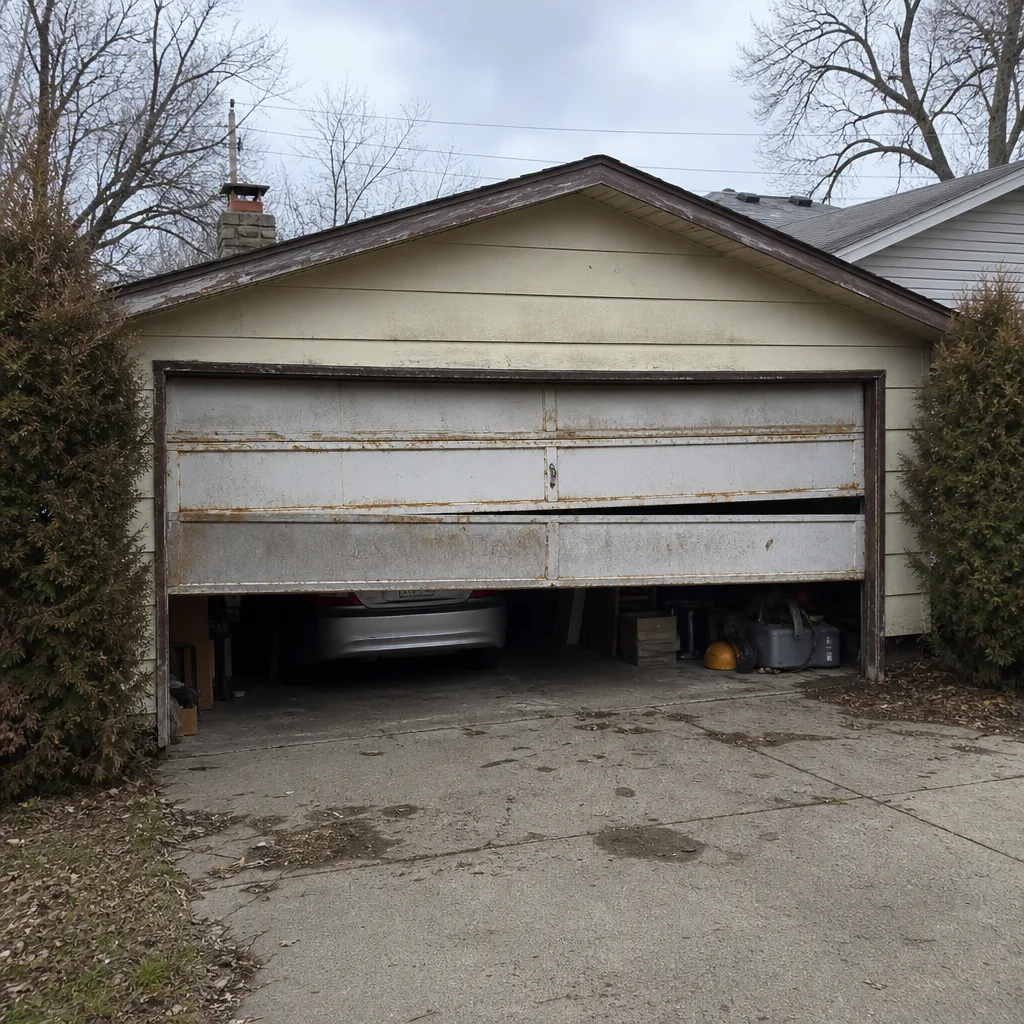 Before
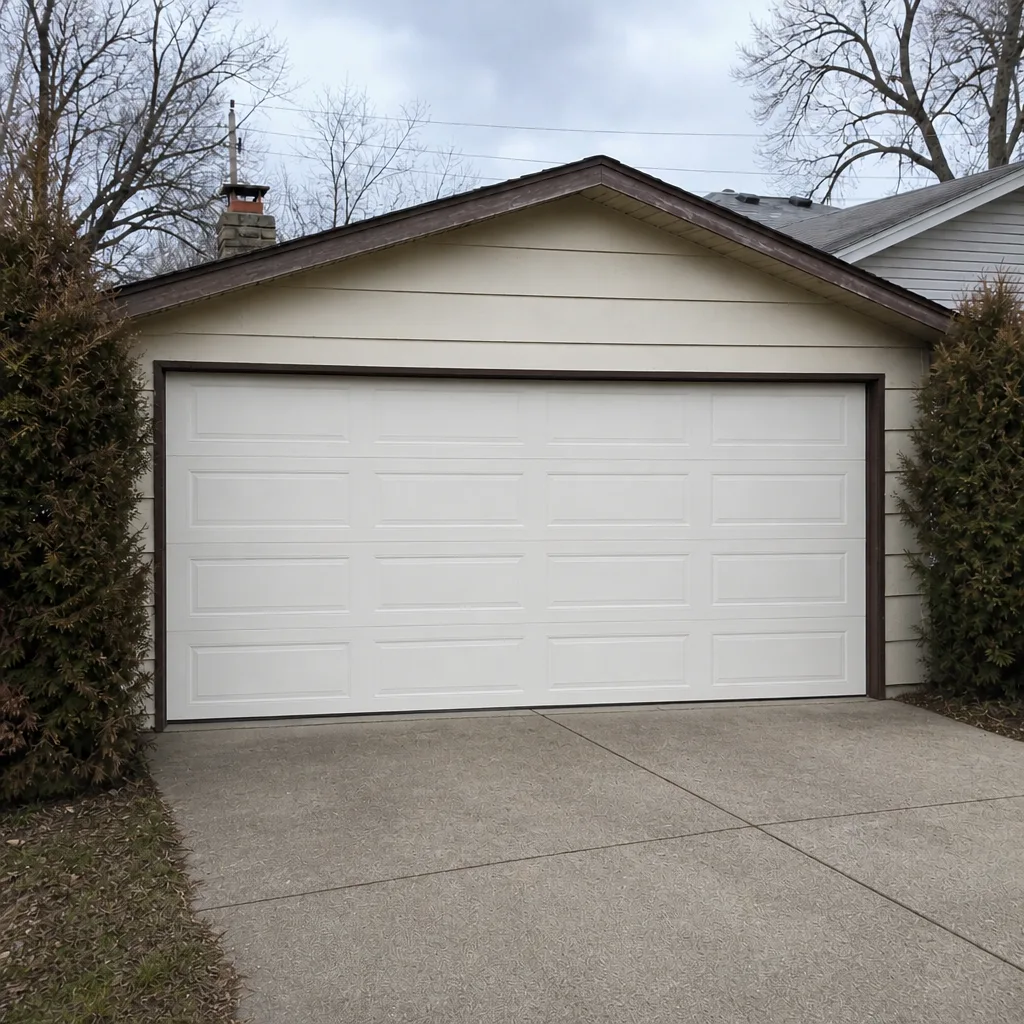 After
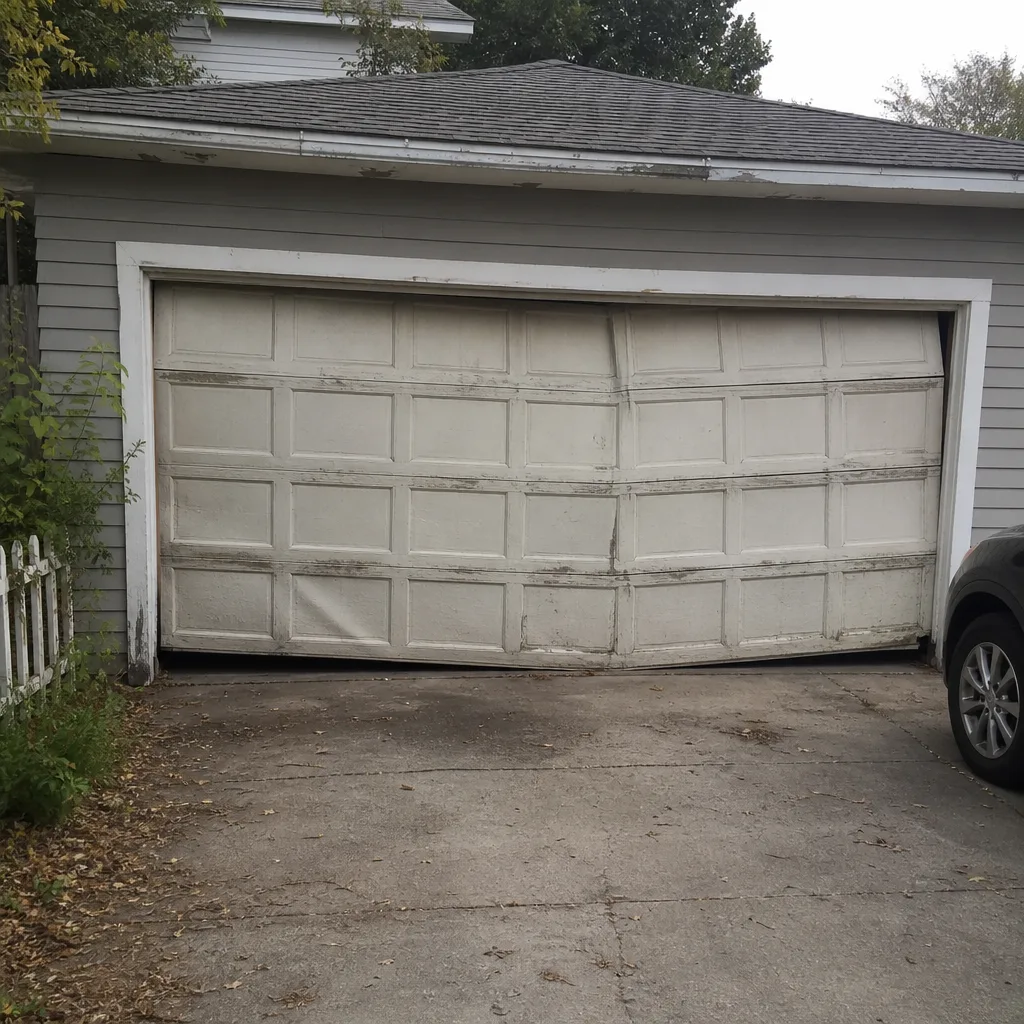 Before
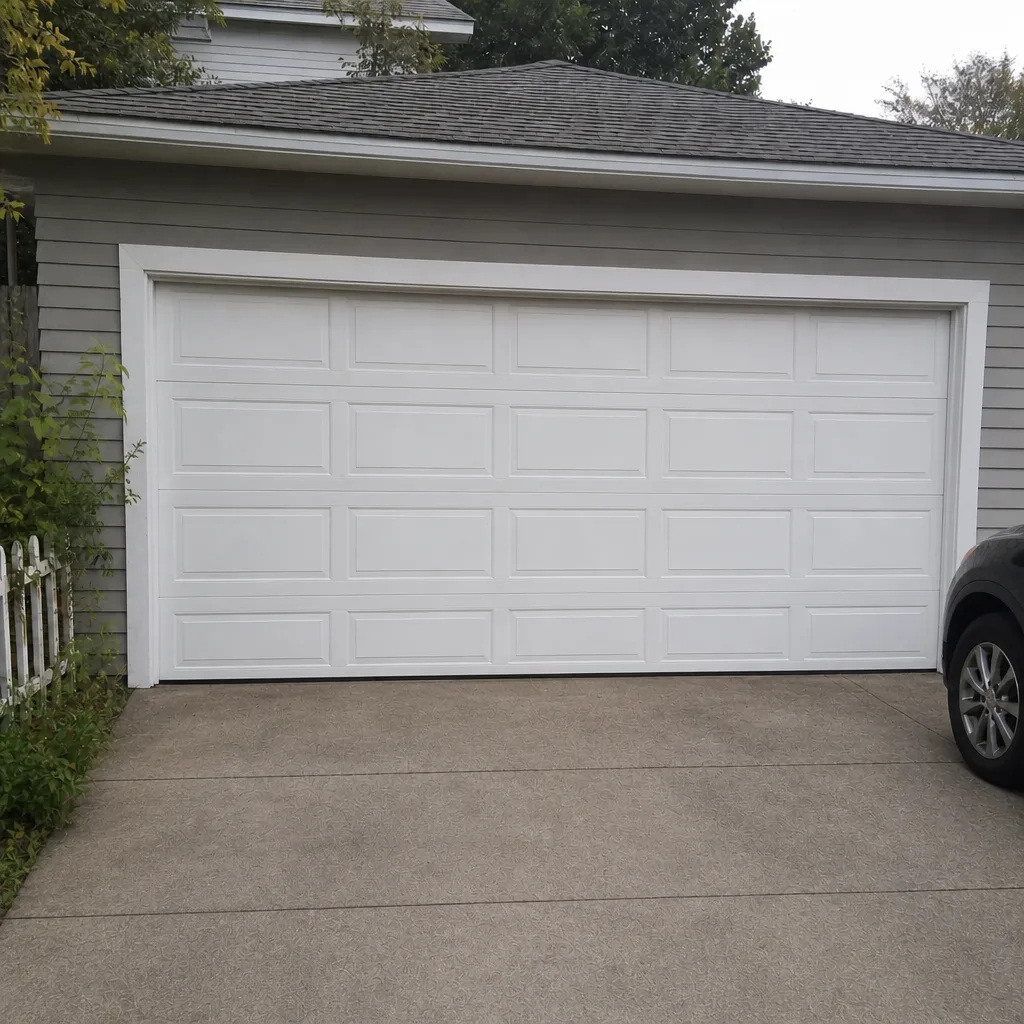 After
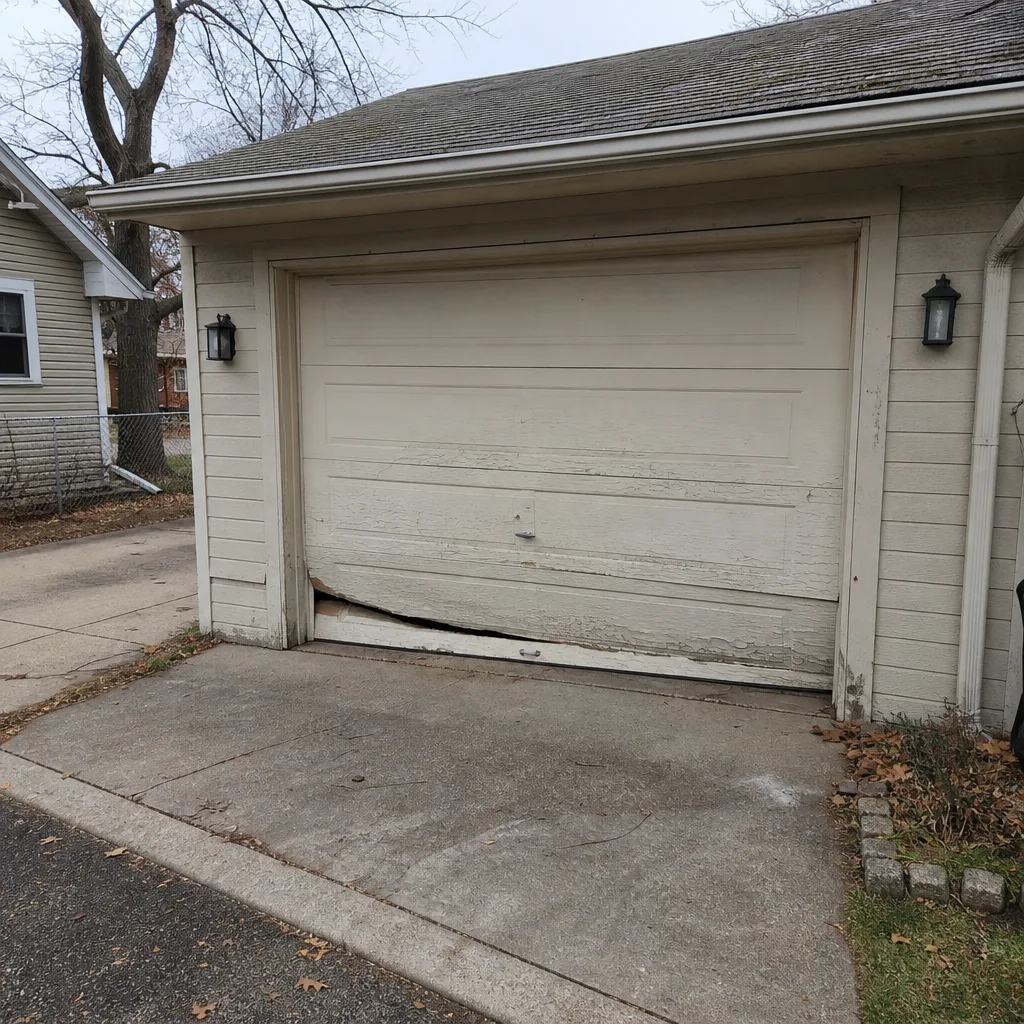 Before
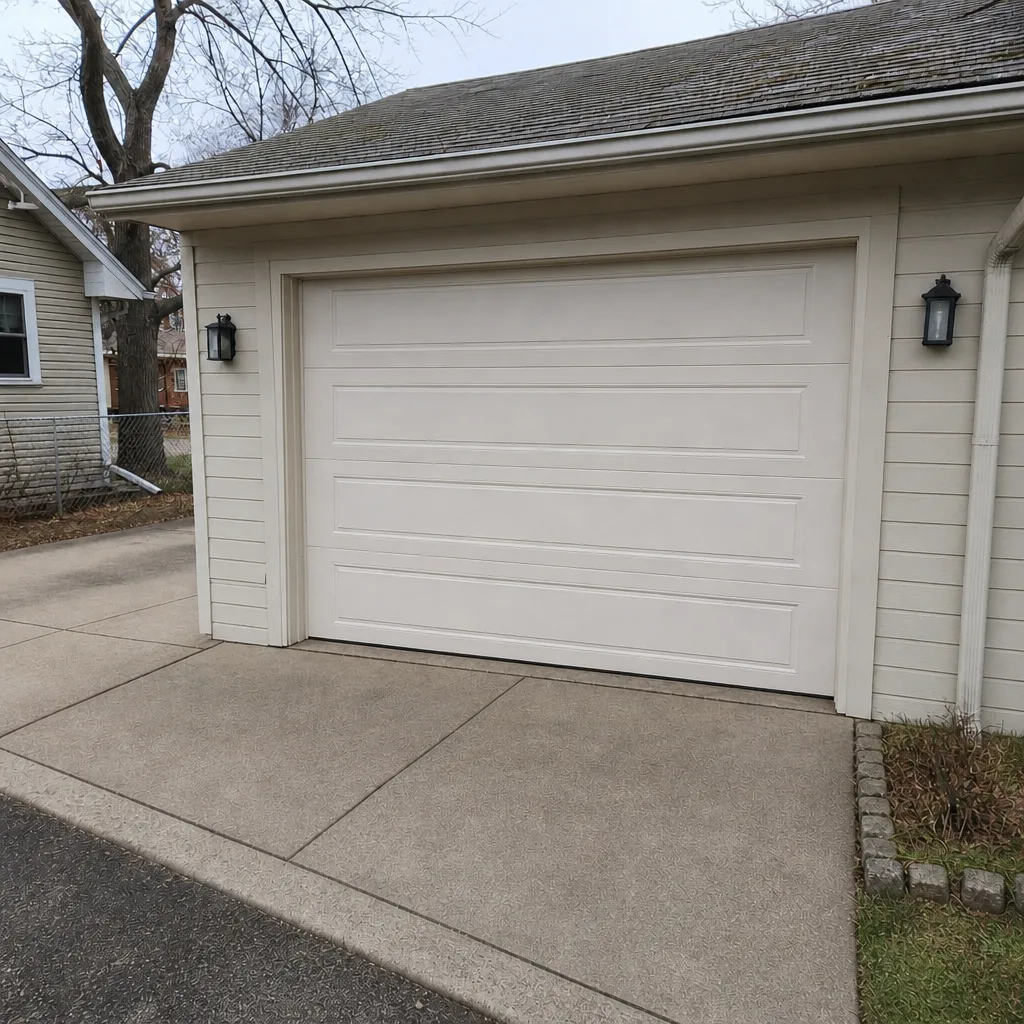 After
When to Call a Professional
Call when you see a gap in a spring, hear a bang, or find the door hanging crooked. Call when the auto-reverse test fails twice in a row. Call when the same noise has persisted across two seasons. Call before you replace an opener or a door, not after. If you’re not sure which category your symptom is in, call and describe it. Highland Park Garage Door Repair Pros offers free estimates in Highland Park – call (855) 710-4739. We answer 24/7. Fast dispatch from 7am to 7pm, Sunday through Friday. The written quote you receive is the price you’ll pay, and it’s agreed before any work starts.
Frequently Asked Questions
A loud bang followed by a door that won’t lift, or a door that hangs noticeably crooked, is the most urgent warning sign. Both mean a spring or cable has failed and the door is no longer safely counterweighted. Stop using the door and call (855) 710-4739 for a same-day visit if dispatch is open.
Usually, yes. Spring repair is one of our core services and a single-tech job on most standard residential doors, and we can typically get to a Highland Park address the same day. Call (855) 710-4739 with the door’s make and approximate size to confirm the parts we need.
No, not after the written estimate is issued. Our technician diagnoses on site, quotes the work in writing, and the price you agree to before any repair starts is the price on the invoice. If the diagnosis changes when parts are inspected, we stop and re-quote before proceeding rather than adding to the bill.
The local technician we connect you with is licensed and insured as the state of Minnesota requires. We can also confirm which brand systems a given caller’s door uses – LiftMaster, Chamberlain, Genie, Clopay, Amarr, Wayne Dalton, Craftsman, or Raynor – so you’re not matched with a technician who only knows one ecosystem.
Usually no, but it’s worth a look. Winter-only squealing is often dry hinges, rollers, or a chain that’s set at the wrong tension. It’s rarely urgent, but it wears the parts it touches slower than it would if lubricated, so scheduling someone to check and lubricate the system once saves you the noise next season.
Check the two safety sensors at the bottom of the door track first. Both should show a steady light, and neither lens should be dirty, misaligned, or blocked by a stored item. If the lights are steady and the door still reverses, the issue is likely in the opener’s travel limit or safety board, which needs a technician. Call (855) 710-4739 for an exact quote – estimates are free.
The Bottom Line
Warning signs on a garage door split cleanly into two groups. The ones that mean schedule a repair – noise, minor slowness, a single failed spring on a two-spring door – and the ones that mean stop using the door today: a snapped spring, a hanging door, a lost cable, or a sustained auto-reverse failure. Sorting them correctly saves you money and keeps you safe. In Highland Park, the cold months will reveal wear that warmer months hide, so if the same symptom shows up two seasons running, that’s your cue to call. Repair first when it’s a component, replace only when the door itself is the problem. And when you’re not sure which category you’re in, we’re happy to tell you over the phone.
Call (855) 710-4739 for a free estimate. We answer 24/7. Fast dispatch from 7am to 7pm, Sunday through Friday. One call covers the door, the opener, the springs, and the installation if it comes to that.
Written by the team at Highland Park Garage Door Repair Pros.