
Last updated November 21, 2026
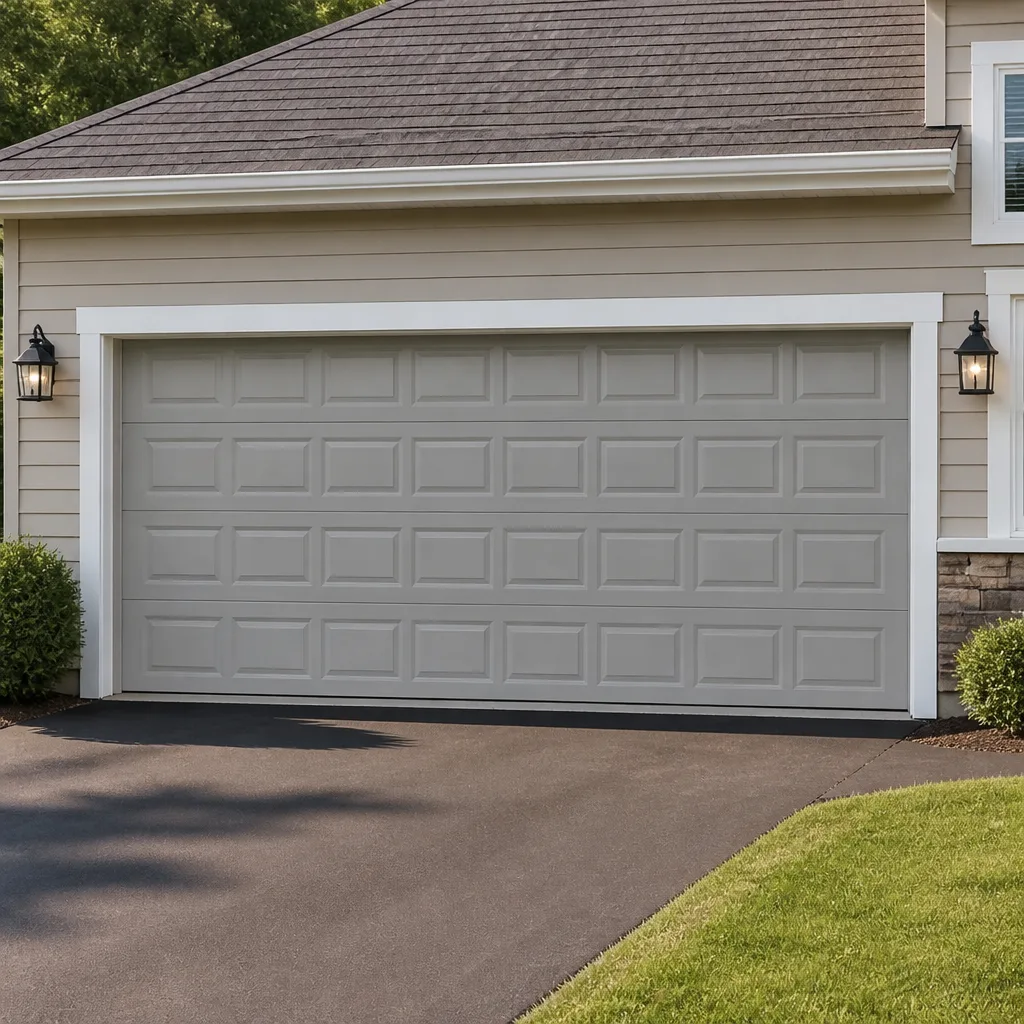 Raised-panel steel
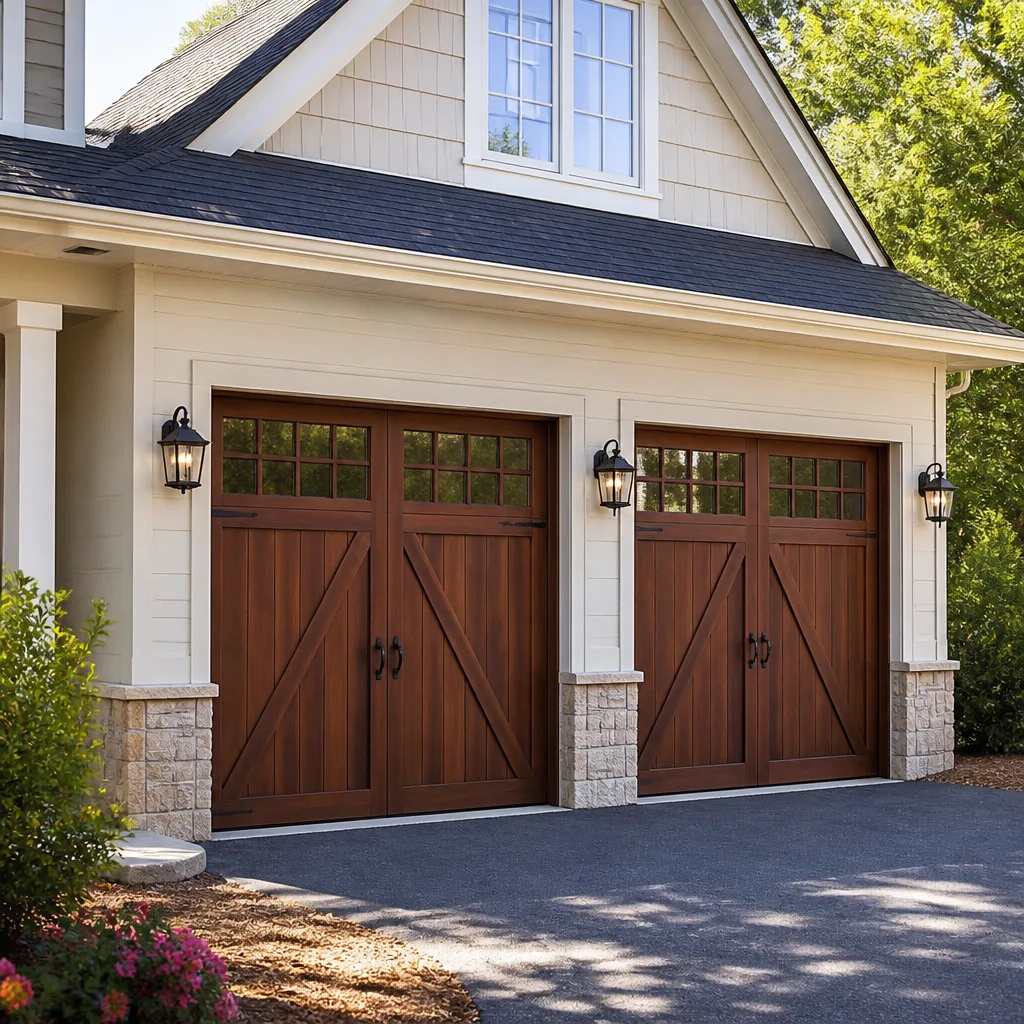 Carriage house
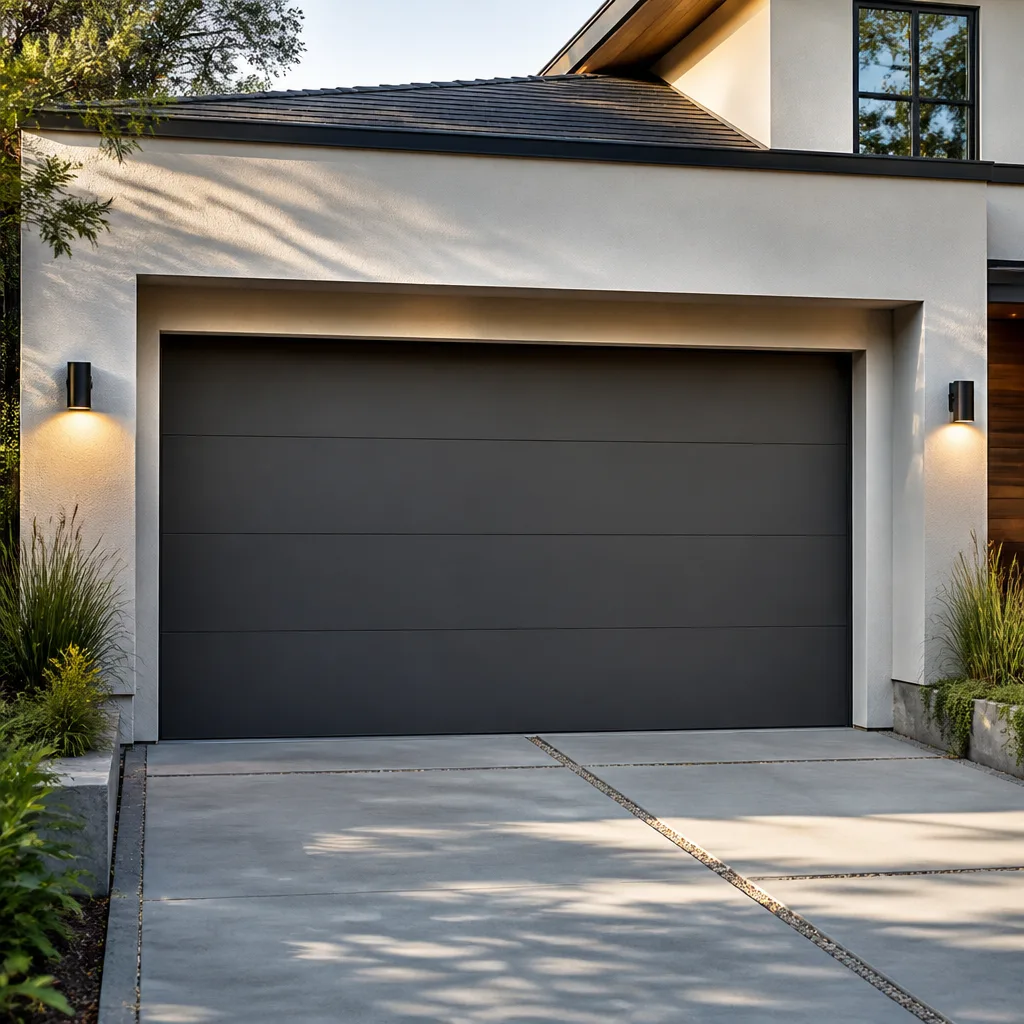 Modern flush
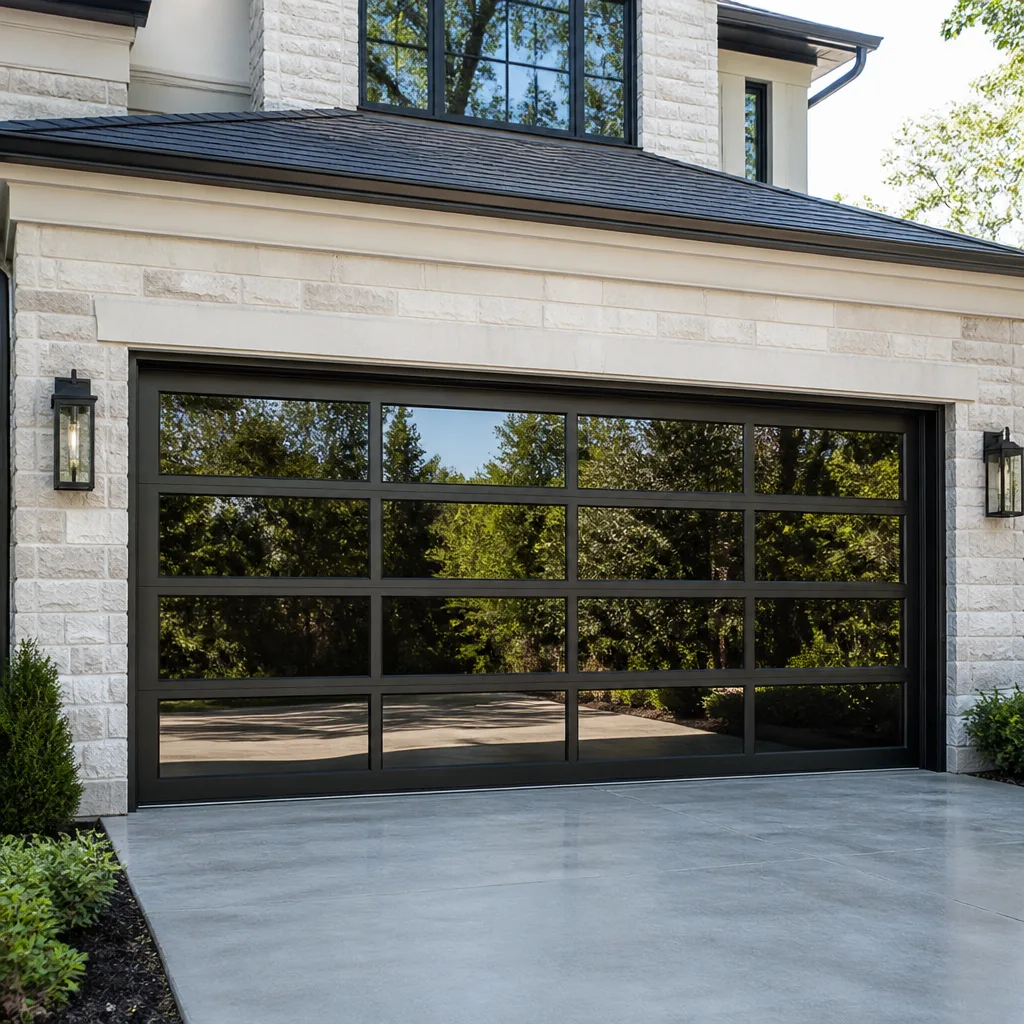 Full-view glass
 LiftMaster openers
 Chamberlain openers
Full 25-point door and opener safety check with every visit - springs, cables, rollers, tracks, and your LiftMaster or Chamberlain opener included
You get a price before we start. It does not change when the pro arrives.
Get your free estimateSeasonal Garage Door Care for Highland Park: Year-Round Homeowner’s Guide
Garage doors don’t usually fail in January. They fail in January because of what wasn’t done in October. That’s the part most seasonal maintenance advice misses. A national checklist tells you to “lubricate moving parts” and “test the safety reverse,” then leaves you to sort out why your door sounds fine in June and grinds in February. Highland Park doesn’t hand you a mild, forgiving climate. It hands you a Minnesota freeze-thaw cycle that moves the ground, a summer humid stretch that cooks opener electronics in a detached garage, and a spring window when cold-contracted springs and cables are under their worst stress. This guide walks through the year the way a door actually experiences it here, month by month.
Quick Answer
Seasonal garage door care in Highland Park should follow the local climate, not a generic national template: fall prep (seal checks, ground-movement adjustments, balance testing) in September and October, opener ventilation and lubrication through summer, and a spring inspection for spring and cable fatigue once cold-contraction cycles end. Winter failures are usually set up by missed fall work. The single highest-value habit is a balance-and-seal check before the first hard freeze.
Styles & brands we work with
- Raised-panel steel
- Carriage house
- Modern flush
- Full-view glass
- LiftMaster openers
- Chamberlain openers
Table of Contents
- Why Your Door Fails in Winter, Not Spring
- Fall Prep for Highland Park: Beating Freeze-Thaw and Ground Movement
- What Winterizing a Garage Door Actually Means
- Spring: The Highest-Risk Season for Springs and Cables
- Summer Heat, Opener Logic Boards, and Detached-Garage Ventilation
- A Month-by-Month Care Calendar for Highland Park
- Working With the Brands You Already Own
- Common Mistakes to Avoid
- When to Call a Professional
- Frequently Asked Questions
- The Bottom Line
Why Your Door Fails in Winter, Not Spring
Here’s the counterintuitive part. When a Highland Park garage door stops working in the dead of winter, homeowners tend to blame the cold itself. Cold is the trigger, but it’s rarely the cause. The cause was almost always set in motion weeks or months earlier, during a season when the door seemed fine.
Think about what a Minnesota year does to a garage door. The ground beneath the door slab freezes, then thaws, then freezes again. A bottom seal that was sitting flush against a level slab in August can be hanging a quarter-inch off by December because the slab shifted and the seal was already compressed and stiff. A torsion spring that was carrying its rated load in October doesn’t shrink in January; it just has less margin for the fatigue it already accumulated. The door didn’t break at the first cold snap. The first cold snap found every weak spot the previous season left behind.
This is why we treat fall maintenance as the load-bearing piece of the whole year. Everything you do in October determines how the door behaves through February. Everything you inspect in spring tells you how the summer heat will treat your opener. The seasons here are linked, not independent, and care that treats them as isolated checklist items misses the pattern that actually causes breakdowns.
By the end of this guide you’ll understand what to check in each season, why it matters in Highland Park specifically, and which tasks are genuine DIY and which ones you should leave to a trained technician. Our technicians have up to 15 years of experience across the most commonly installed garage door and opener systems, and the seasonal pattern below is built around what we actually see in this climate, not a national average.
Fall Prep for Highland Park: Beating Freeze-Thaw and Ground Movement
Fall is when you set the door up to survive winter. September and October are the months to focus on the two things that freeze-thaw ground movement hits hardest: the bottom seal and the door’s balance.
The freeze-thaw cycle in Highland Park pushes the ground up and down several times before it settles into deep winter freeze. That movement happens right at the door threshold. A bottom seal that’s healthy in August can end up with a gap by November, which lets in cold air, snow melt, and pests. So the fall seal check isn’t cosmetic. It’s the difference between a garage that holds its temperature and one that leaks it all winter.
Here’s the fall routine we recommend:
- Check the bottom seal along its full length. Look for flattening, cracking, or gaps where the seal meets the slab. A compressed seal doesn’t recover with cold, so if it’s already squashed flat, it won’t seal when you need it most.
- Test the door’s balance. Disconnect the opener, raise the door by hand to about waist height, and let go. A balanced door should hold roughly where you leave it. If it drops fast or drifts down, the spring tension has drifted and it needs adjustment before cold adds stress.
- Look at the slab at the threshold. Ground movement can leave a slight lip or dip. If the seal lifts unevenly as the door closes, the slab has shifted and a seal replacement or threshold work may be needed.
- Lubricate rollers, hinges, and the spring’s coils with a garage-door-rated lubricant. Skip heavy grease in cold climates; it thickens and drags the opener.
- Clear the tracks of debris and check for bends. A track that’s slightly out of line will bind harder once metal contracts in the cold.
The reason fall matters so much in Highland Park, and less in milder climates, is that winter doesn’t just test the door; it tests everything the fall left loose. A door that’s balanced, sealed, and lubricated in October has the margin to absorb the cold. A door that’s slightly off in every category tends to fail on the first really cold morning.
If the fall check turns up a binding door, a bent track, or a seal that won’t seat, that’s the moment to get it looked at. Our garage door repair work starts with a diagnostic, so we can tell you whether the door needs an adjustment or a part before winter pushes it into a bigger job.
What Winterizing a Garage Door Actually Means
Most “winterize your garage door” advice is watered down to the point of being useless. It tells you to insulate, lube the hinges, and make sure the weatherstripping is intact. That’s the national-template version. Real winterizing in a Minnesota climate is about managing the consequences of freeze-thaw ground movement and cold contraction, and it looks different.
What winterizing actually involves here:
- Managing the bottom seal against a moving slab. Insulation keeps the garage warmer, but if the seal is leaking cold air and meltwater under the door, insulation only slows the loss. The seal has to seat against the slab, and the slab moves in Highland Park.
- Confirming spring balance before the cold adds load. A spring that’s near the end of its service life still works on a mild October day. Winter contraction cycles push the metal harder, and a marginal spring that isn’t addressed in fall is the one that lets go.
- Testing the safety reverse feature. Cold, stiff hardware can keep a door from reversing properly. It’s a safety function and should be checked before the season gets cold.
- Keeping meltwater out of the track path. Snowmelt that freezes in the tracks around the threshold will bind the door. Clearing and de-icing at the threshold is a real winterizing task, not an afterthought.
- Checking opener limits in cold-weather mode. Some openers need their travel limits readjusted as the door’s cold drag changes. This isn’t a settings tweak you should guess at.
The difference between a genuine winterizing pass and the watered-down version is focus. Insulation and weatherstripping matter, but they don’t address the two mechanisms that cause winter failures in Highland Park: seal compression against a shifting slab, and spring fatigue that only shows under cold load. Handle those, and the door behaves. Ignore them and no amount of insulation will save you the February breakdown.
Spring: The Highest-Risk Season for Springs and Cables
Spring is when the damage from winter shows up. It’s the highest-risk season for spring and cable failures, and the reason is metal fatigue after cold-contraction cycles, not spring weather itself. Through winter the torsion spring and cables experience repeated contraction and expansion as temperatures swing. By the time the freeze ends, the metal has cycled many times and has less reserve. The first warm, heavy-use weeks of spring are when it gives.
This is why spring failures cluster in spring here, and why a spring inspection in March or early April is more useful than waiting for a noise or a bang. If you’ve noticed the door feeling heavier, the opener working harder, or a tighter coil gap than usual, those are the early signs worth acting on before the door stops.
Springs and cables are also the single most dangerous part of a garage door to work on. They’re under high tension and can release with enough force to cause serious injury. We say this plainly because it matters: do not attempt to adjust, remove, or replace a torsion spring or cable yourself. A trained technician uses the right tools and the right procedures, and that’s a safety line you shouldn’t cross.
A spring inspection is a physical, in-person check. If spring is approaching and you want the door looked at before the cold fatigue turns into a failure, our garage door spring repair includes a full assessment, and we’ll tell you plainly whether the spring needs replacing or has more service life left. We repair springs as a core service, not as an upsell, and we won’t push a replacement that isn’t needed.
While you’re thinking about spring, this is also when the balance test is most informative. Do the same waist-height release test from fall. If the door has lost its balance and drops fast, the spring tension is off and it needs attention before summer use.
Summer Heat, Opener Logic Boards, and Detached-Garage Ventilation
Summer looks harmless for a garage door, but it’s the season that quietly stresses the opener. Heat affects the electronics inside the opener head unit, and a detached garage in Highland Park in July can get genuinely hot. Opener logic boards are the component that most often feels it.
Here’s what we mean. The logic board handles the opener’s control signals, the safety reverse, and the motor control. Heat, humidity, and poor air movement in a closed detached garage compound the stress. When a logic board begins to fail, the symptoms often show up as intermittent behavior: the door doesn’t respond to the remote, the wall control works but the remote doesn’t, or the opener behaves erratically before it stops. These aren’t random; they’re the opener telling you it’s stressed.
What helps in summer:
- Keep the garage ventilated. Even a cracked window or a vent can move enough air to lower the peak temperature in a detached garage. This is especially relevant in Highland Park, where many garages are detached and don’t share the house’s air conditioning.
- Do a quick opener check. Confirm the safety reverse still works and the door opens and closes smoothly. A door that’s dragging puts extra electrical load on the opener in the heat, which compounds the strain.
- Lubricate the moving parts again. A light summer lubrication keeps the door moving freely, reducing the load the opener carries during hot-weather use.
- Watch for intermittent remote or control issues. Don’t dismiss a remote that only sometimes works. It’s an early signal worth getting checked.
When the opener is the culprit, you don’t necessarily need a new one. We repair logic boards, remotes, sensors, and wall controls across LiftMaster, Chamberlain, Genie, Craftsman, and the other brands we service. If your opener is acting up in the summer heat, our garage door opener repair starts with a proper diagnostic instead of a sales pitch for a replacement unit. Buyers in Highland Park, whether in a detached-garage neighborhood or a newer attached-garage home, end up paying for a new opener they didn’t need more often than you’d expect, and we try to avoid that.
A Month-by-Month Care Calendar for Highland Park
Climate patterns, not a national template, should drive your calendar. Highland Park’s cycle runs from a hard freeze through a muddy thaw into a hot summer and back. Here’s how the year breaks down around those patterns. Treat this as the schedule, not a suggestion you can reshuffle.
- March – April (spring): Inspect springs and cables for fatigue after the cold cycle. Do the balance test. Watch for a door that feels heavier. This is the highest-risk window, so book the spring inspection early.
- May (late spring): Lubricate moving parts, check the safety reverse, and confirm the opener opens and closes smoothly after the winter. Deal with any winter-damaged seal or track issue before summer use.
- June – July (summer): Focus on opener ventilation and heat. Keep the detached garage ventilated, check for intermittent remote or control issues, and lubricate lightly. Watch for the logic-board failure signs described above.
- August (late summer): Get the fall work scheduled. Check the bottom seal for wear before it becomes a winter gap. Confirm the door is balanced and lubricated.
- September – October (fall): This is the core of the year. Full seal check against the slab, balance test, track cleaning, and full lubrication. Address any ground-movement gap at the threshold before the first freeze.
- November (early winter): Confirm the seal is seating after the first freeze, clear the track path of any meltwater that’s freezing, and check the opener travel limits as the cold changes the door’s drag.
- December – February (deep winter): Keep the threshold clear of ice, avoid forcing a frozen door, and call for help if the door stops responding rather than trying to force it open.
The key thing to notice is that the two heavy-work months are April (spring inspection) and October (fall prep). Everything else is lighter maintenance. If you only do two things a year, do the spring inspection and the fall prep. Those two dates carry most of the year’s risk.
Working With the Brands You Already Own
Highland Park homes have a wide mix of garage door brands, and the brand on your door matters less than whether the technician can diagnose it correctly. We work on eight of the most widely installed door and opener systems in North America, including Clopay, Amarr, Wayne Dalton, Craftsman, LiftMaster, Chamberlain, Genie, and Raynor. That matters because a door that fails in the summer heat and a spring that lets go in spring are often the same brand and the same age, and a full-system diagnosis covers both instead of treating them as separate jobs.
Why brand fluency matters for seasonal care: a technician who works on your brand can tell you whether a noise is a worn roller or a fatigued spring, and whether it should be repaired or replaced. A company that only sells one line tends to recommend the line it carries. We don’t. We work with what you already own, and we’ll tell you if a replacement makes sense and if it doesn’t.
If a full new door or system really is the right call, our garage door installation handles the replacement, and we’ll talk through the options honestly. But most of the seasonal care on this page is maintenance and repair, and that’s where we’d rather keep you. A door you’ve kept balanced and sealed through the seasons is a door you don’t replace on a schedule you didn’t plan.
One more note on brand and maintenance: if you have a mix of brands in a multi-unit building in Highland Park, seasonal care is easier to schedule when a single service covers all of them. Property managers with several units, some with openers and some without, get a cleaner maintenance calendar from one provider that handles the whole system across the brands.
Common Mistakes to Avoid
- Doing your maintenance in spring instead of fall. Spring inspection is useful, but if you only do one round of seasonal care, make it the October prep. Winter failures are set up in fall, and a spring pass finds the damage after it’s already happened.
- Assuming winter weather is the cause. It’s the trigger. The cause is almost always a missed fall check, a compressed seal, or a fatigued spring that wasn’t caught in the fall or spring inspection.
- Ignoring the bottom seal after the first freeze. A seal that’s flat in October won’t recover in January. If the seal isn’t seating against the slab, it needs attention before the cold, not after the draft starts.
- Trying to adjust a torsion spring yourself. Springs are under high tension and can release with enough force to cause serious injury. This is a trained-professional job, every time.
- Dismissing intermittent opener problems as “just a remote.” In a hot detached garage, a remote that works sometimes can be an early logic-board signal. Get it checked rather than replacing batteries indefinitely.
- Forgetting the opener travel limits in cold weather. The door’s drag changes in the cold, and limits that were set in summer can bind the door in winter. Have them readjusted when the door’s behavior changes.
- Letting snowmelt freeze in the track path. Ice binding at the threshold is a common winter failure that’s easy to prevent with regular clearing around the slab.
- Forcing a frozen door open. A door that’s frozen or stuck should not be forced. Call for help rather than stripping the opener or bending the track.
When to Call a Professional
Some seasonal work is safe to do yourself: lubricating rollers and hinges, clearing the tracks, checking the bottom seal visually, and running the balance test. Other work requires a trained technician. Call us if any of the following happens: your door drops quickly instead of holding during the balance test, the spring looks fatigued or has broken, the cables look frayed or slack, the door is off its tracks, the opener behaves erratically or stops responding, or the safety reverse isn’t working. Those conditions involve high-tension parts or electrical components, and they’re not DIY jobs.
Highland Park Garage Door Repair Pros offers free estimates in Highland Park. We repair springs as a core service, work with the brands you already own, and handle the whole door system from springs to opener electronics in one relationship. If heavy weather is coming and the door is due for its seasonal check, call (855) 710-4739. We answer 24/7. Fast dispatch from 7am to 7pm, Sunday through Friday.
Frequently Asked Questions
The two highest-value dates are October (fall prep) and April (spring inspection). Fall prep addresses the freeze-thaw ground movement and seal compression that set up winter failures, and the April check catches spring and cable fatigue after the cold cycle. Lighter maintenance through summer and winter keeps both on track. Call (855) 710-4739 for an exact quote – estimates are free.
Winter is the trigger, not the cause. The failure was set up earlier by a missed fall check: a compressed bottom seal, a spring carrying more fatigue than its margin allows, or a track that binds harder once metal contracts. The cold finds the weak spot; it doesn’t create it. A proper fall prep is the best defense against a winter breakdown.
No. Torsion springs and cables are under high tension and can release with enough force to cause serious injury. Adjustment and replacement require a trained technician with the right tools and procedures. This is the one part of garage door maintenance we always recommend calling in rather than doing yourself. If spring is approaching and the door feels heavier, call (855) 710-4739 for an exact quote – estimates are free.
It means managing freeze-thaw ground movement and cold contraction, not just insulating and lubing. That means confirming the bottom seal seats against a moving slab, checking spring balance before cold adds load, testing the safety reverse, clearing meltwater from the track path, and having the opener’s travel limits readjusted for the cold drag. The insulation-and-weatherstripping version most guides give is partial.
Yes. A detached garage in Highland Park can get very hot in summer, and heat stresses the opener’s logic board. Keep the garage ventilated, check the safety reverse, watch for intermittent remote or control issues, and lubricate moving parts lightly. If the opener behaves erratically, get it checked rather than replacing batteries indefinitely.
The written estimate sets the price, and we quote and agree it before any work starts. If the door needs more than the initial diagnosis suggested, we’ll explain the options and get your agreement on the written estimate before proceeding. For a seasonal check or repair, call (855) 710-4739 for an exact quote – estimates are free.
The Bottom Line
Seasonal care in Highland Park works when the calendar follows the climate. Fall prep (October) handles freeze-thaw ground movement, seal compression, and spring balance before winter finds the weak spots. Spring inspection (April) catches the spring and cable fatigue the cold cycle leaves behind. Summer is about opener ventilation and heat in a detached garage, and winter is about keeping the threshold clear and not forcing a frozen door. If you only do two things a year, make them the fall prep and the spring inspection. Everything below that tier of urgency is lighter maintenance we can look at for you. If you’d rather leave the schedule to a technician who knows the door brands you already own, call (855) 710-4739 for a free estimate.
For a full-service relationship across repair, springs, openers, and installation, visit Highland Park Garage Door Repair Pros to see the full set of services.
Call (855) 710-4739. We answer 24/7. Fast dispatch from 7am to 7pm, Sunday through Friday.
Written by the team at Highland Park Garage Door Repair Pros.
See the difference
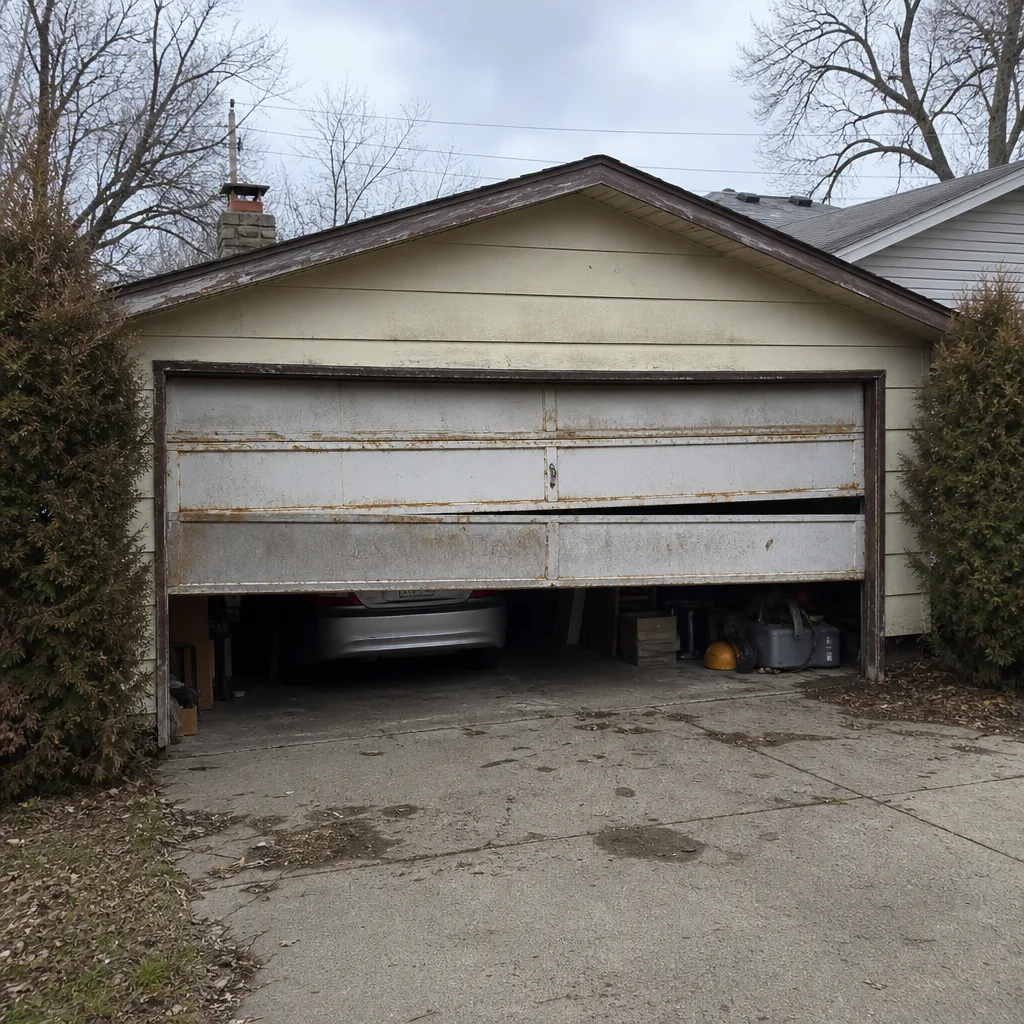 Before
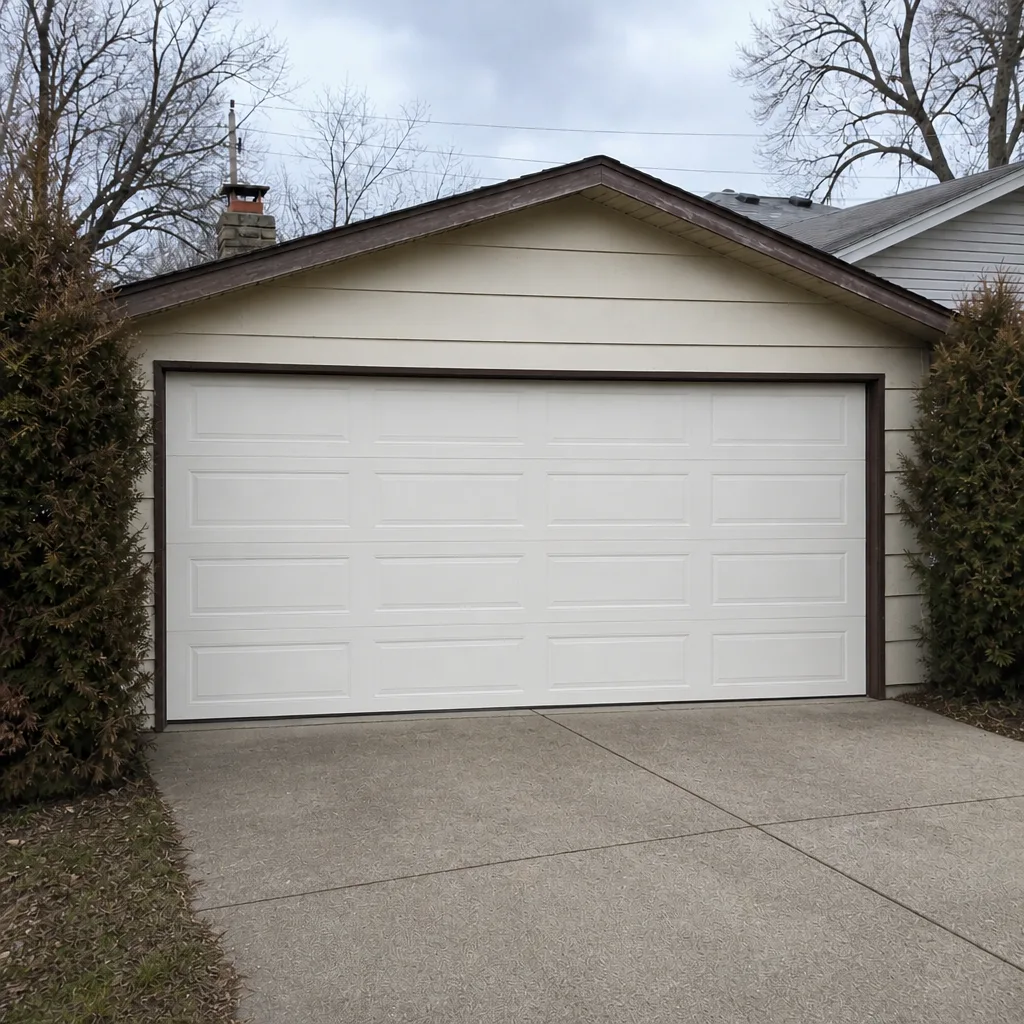 After
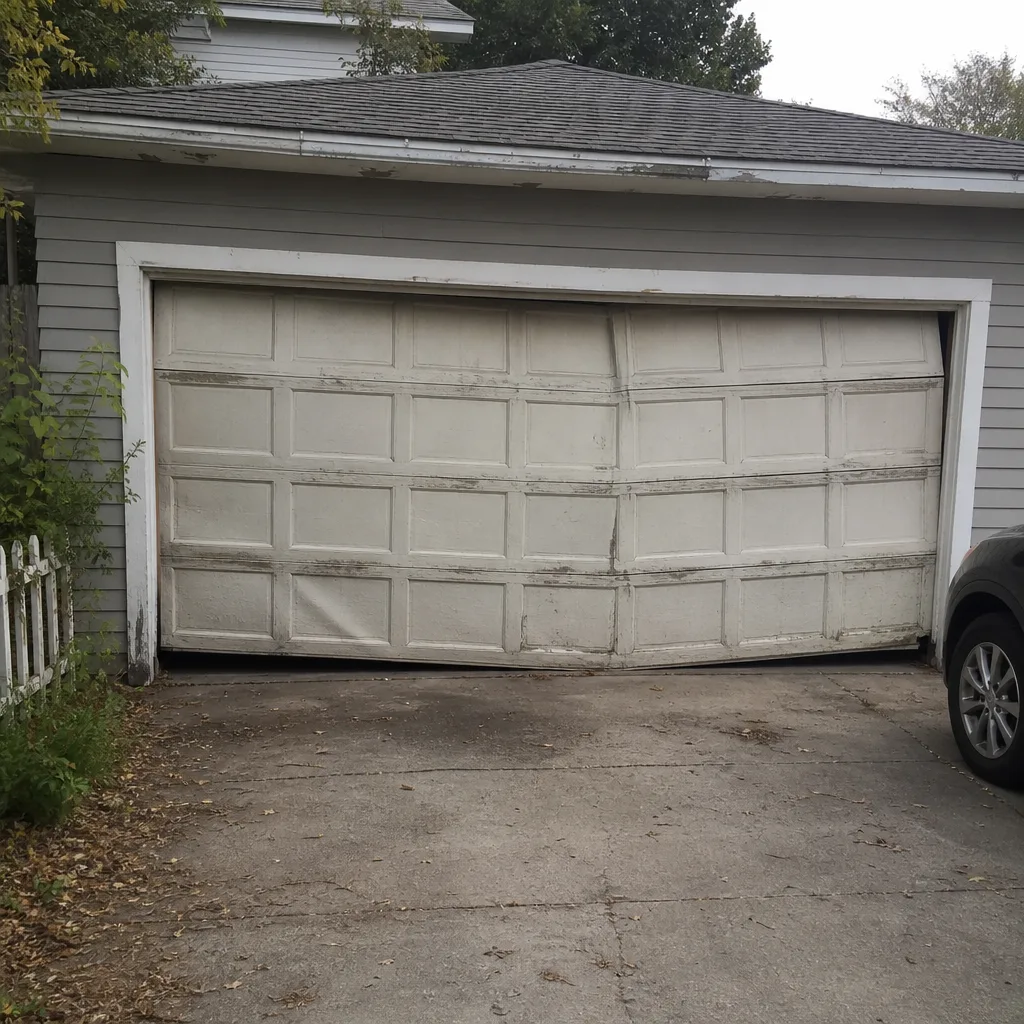 Before
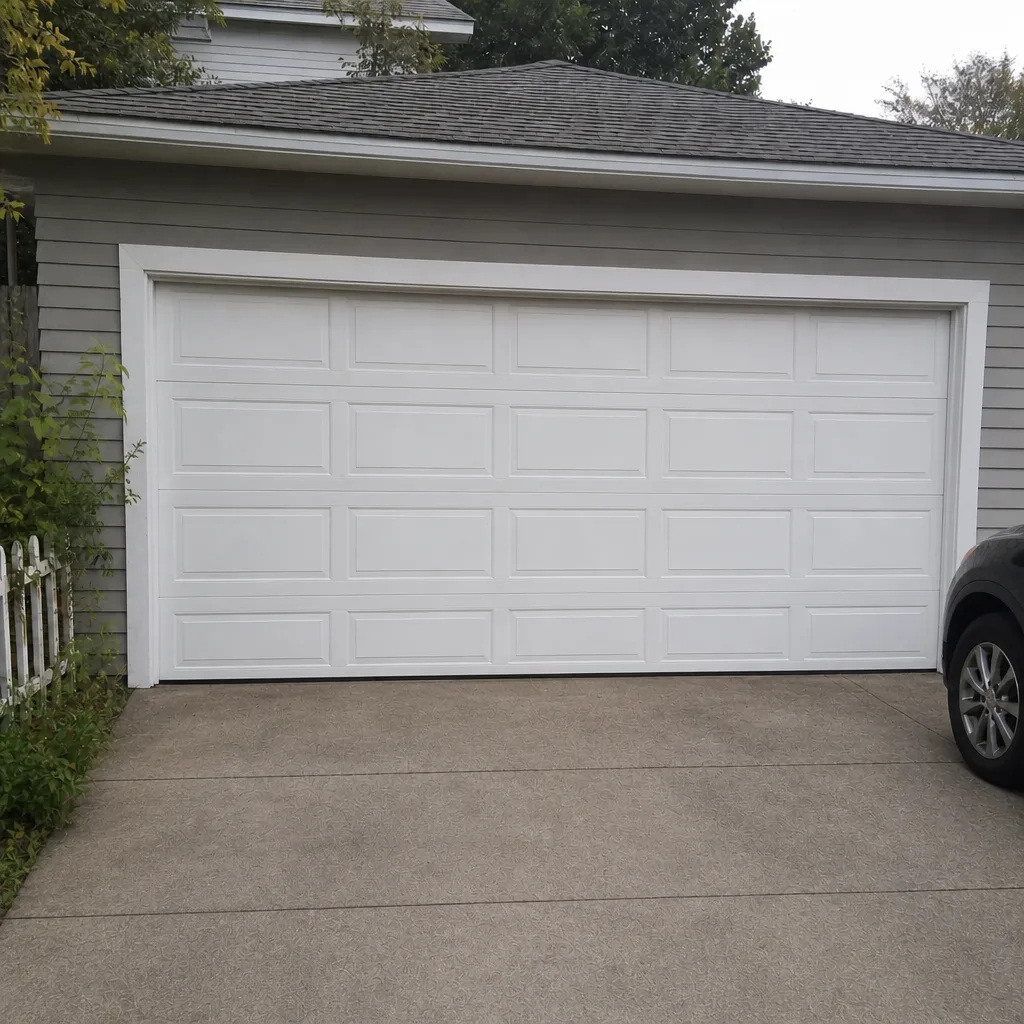 After
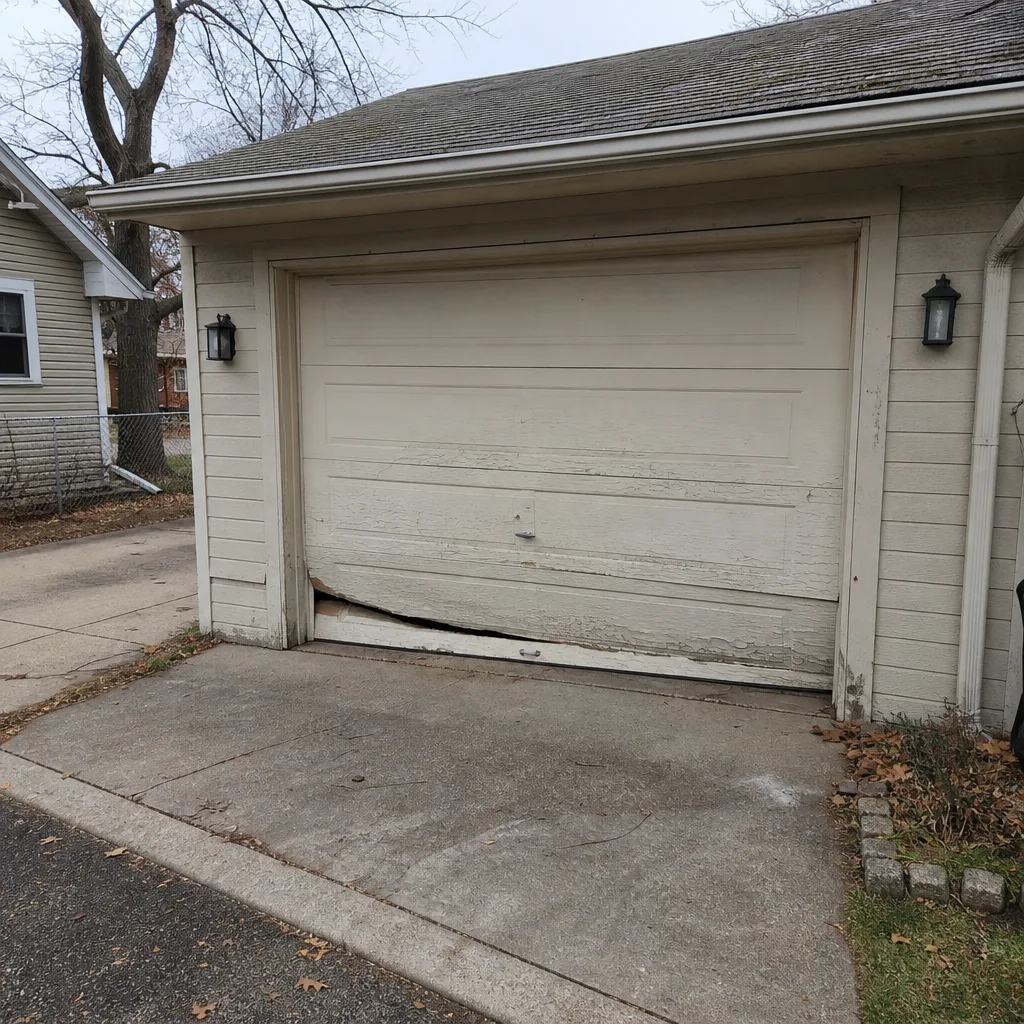 Before
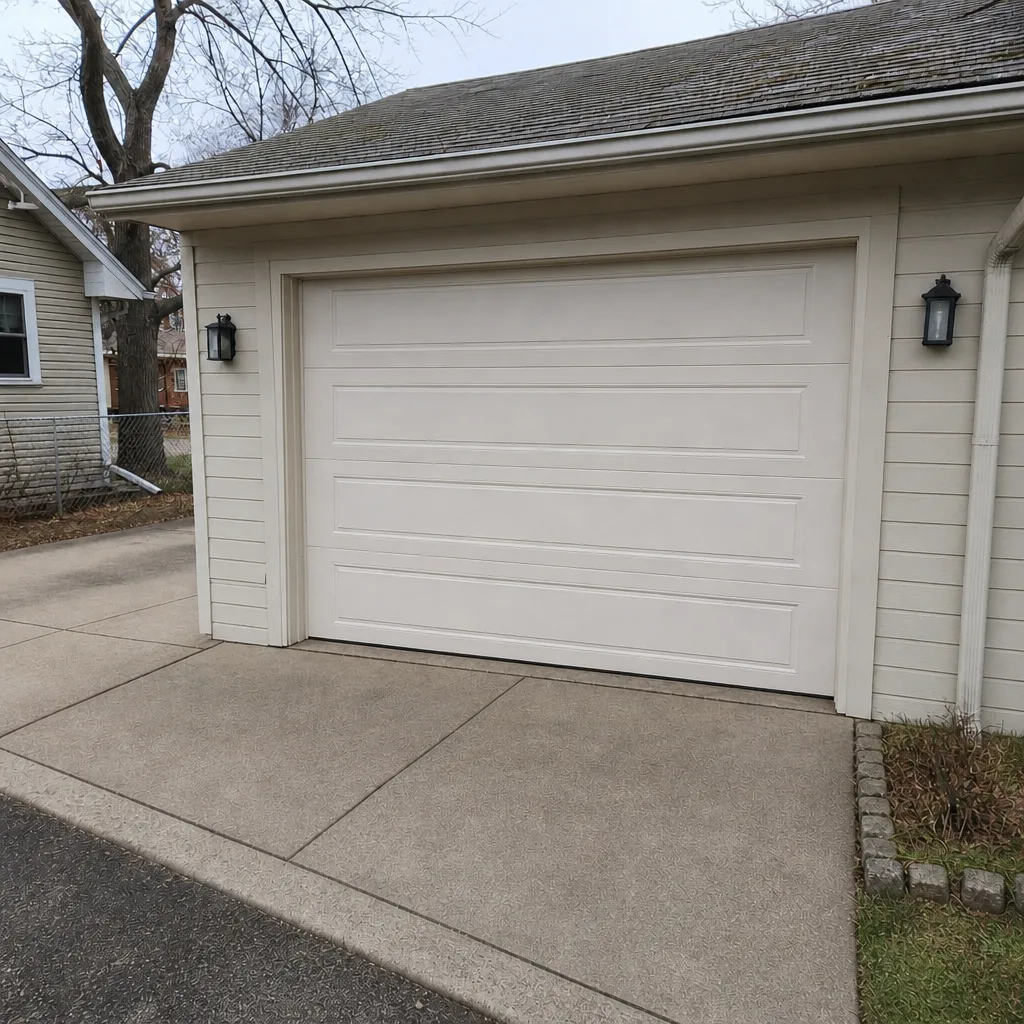 After