
Last updated November 21, 2026
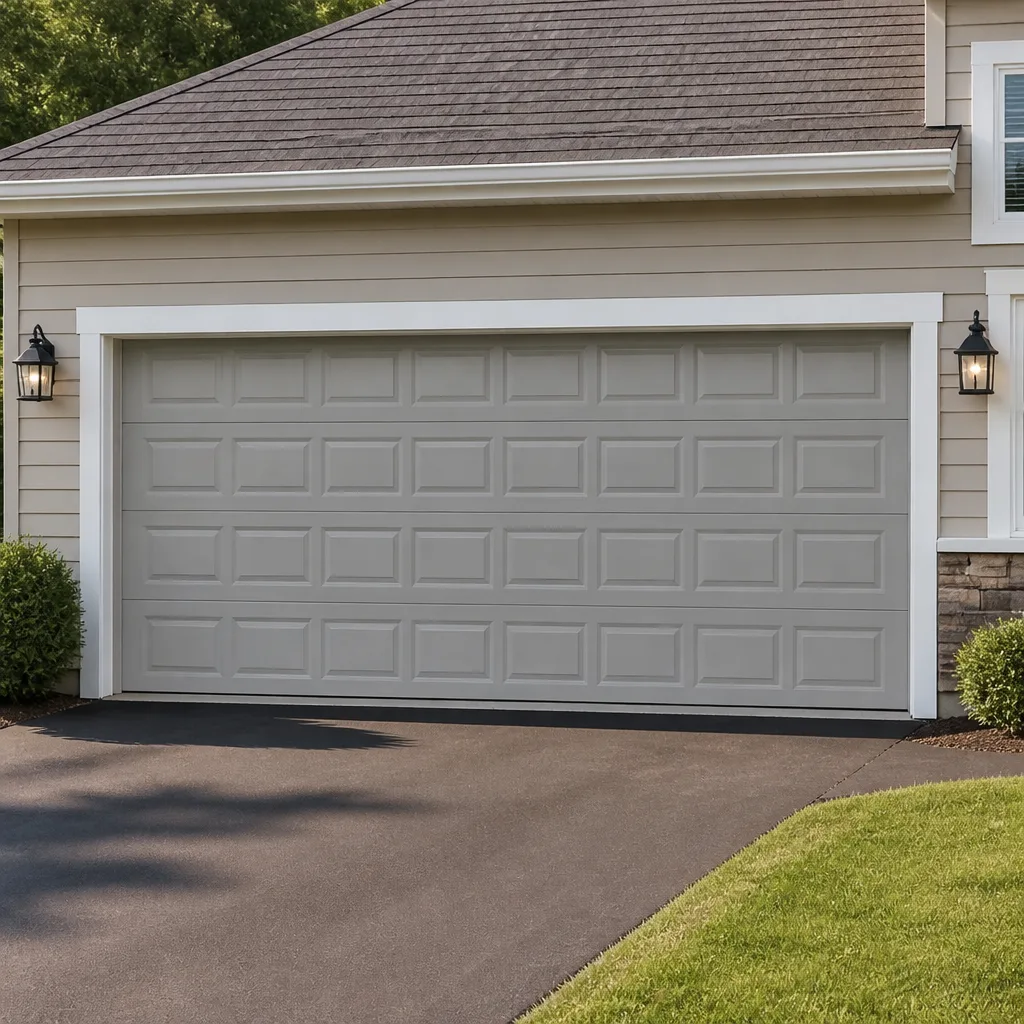 Raised-panel steel
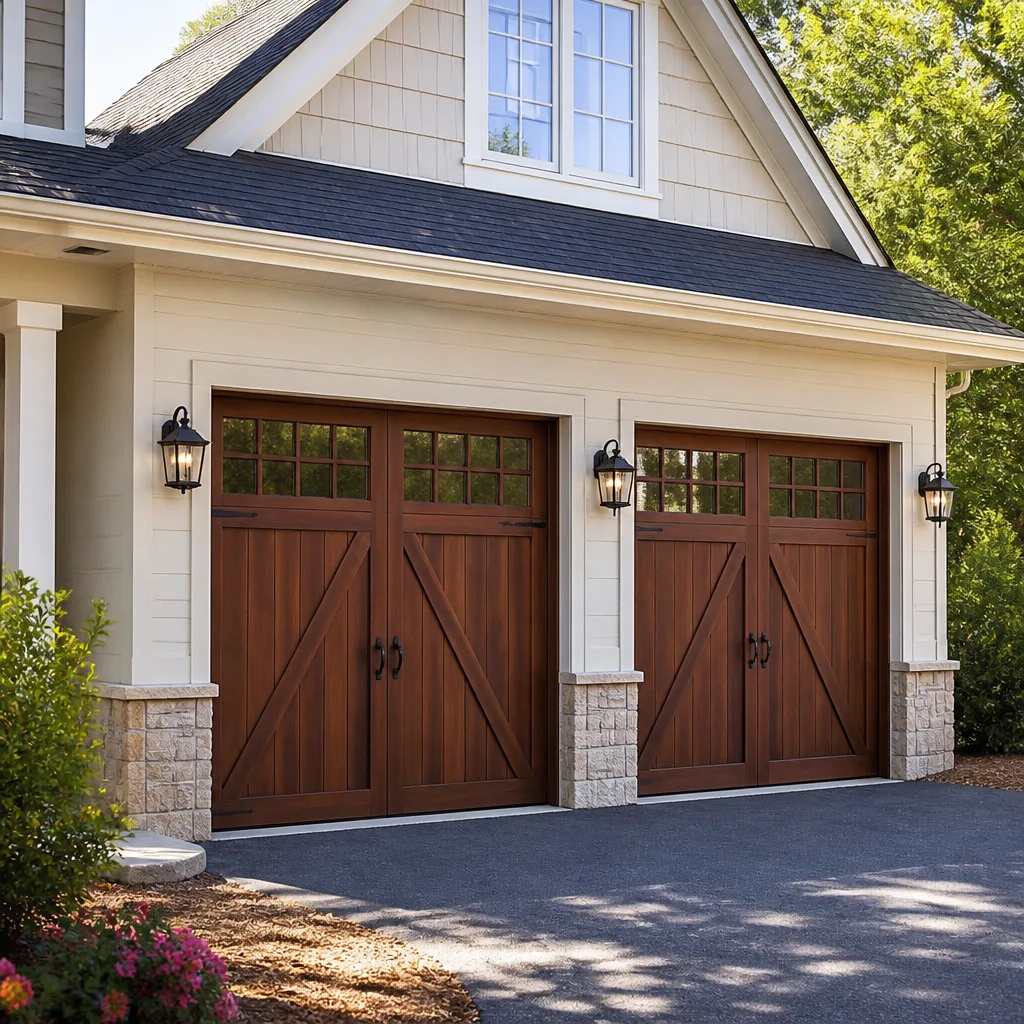 Carriage house
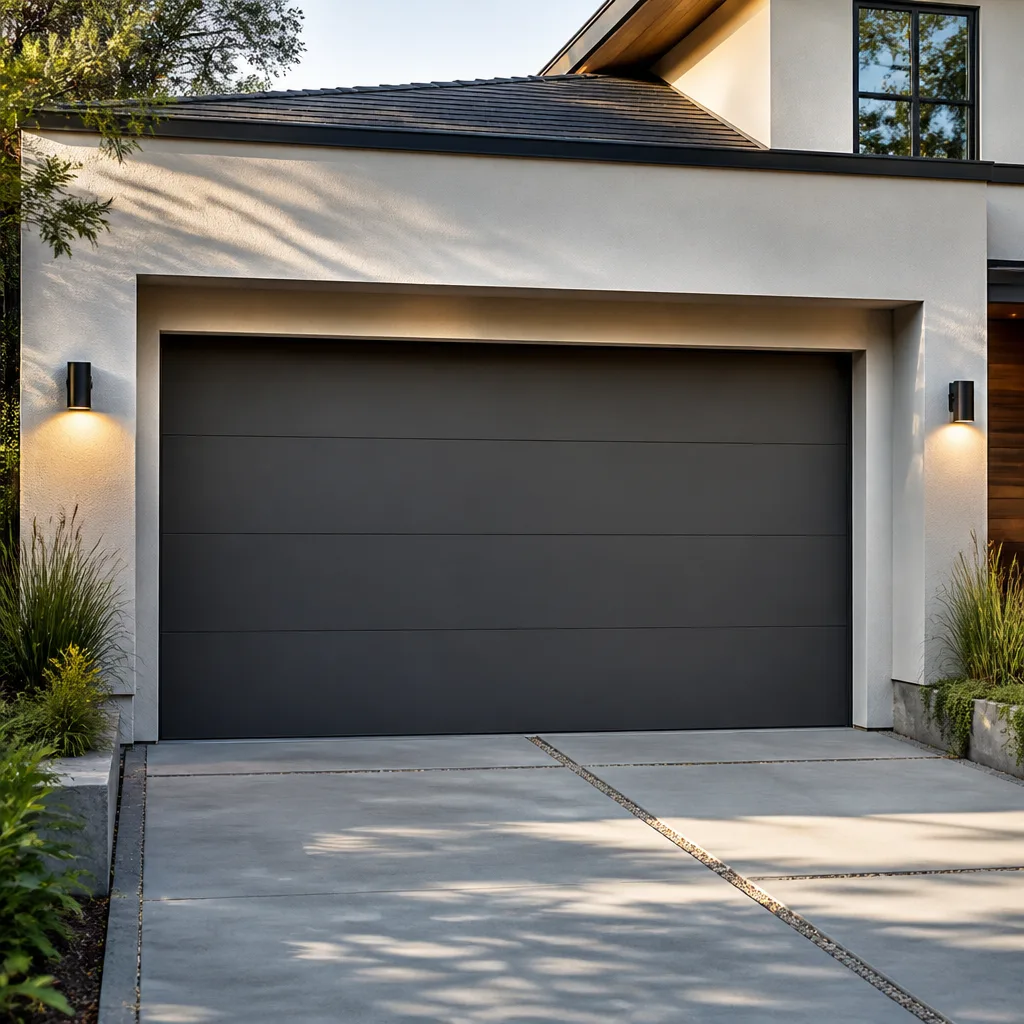 Modern flush
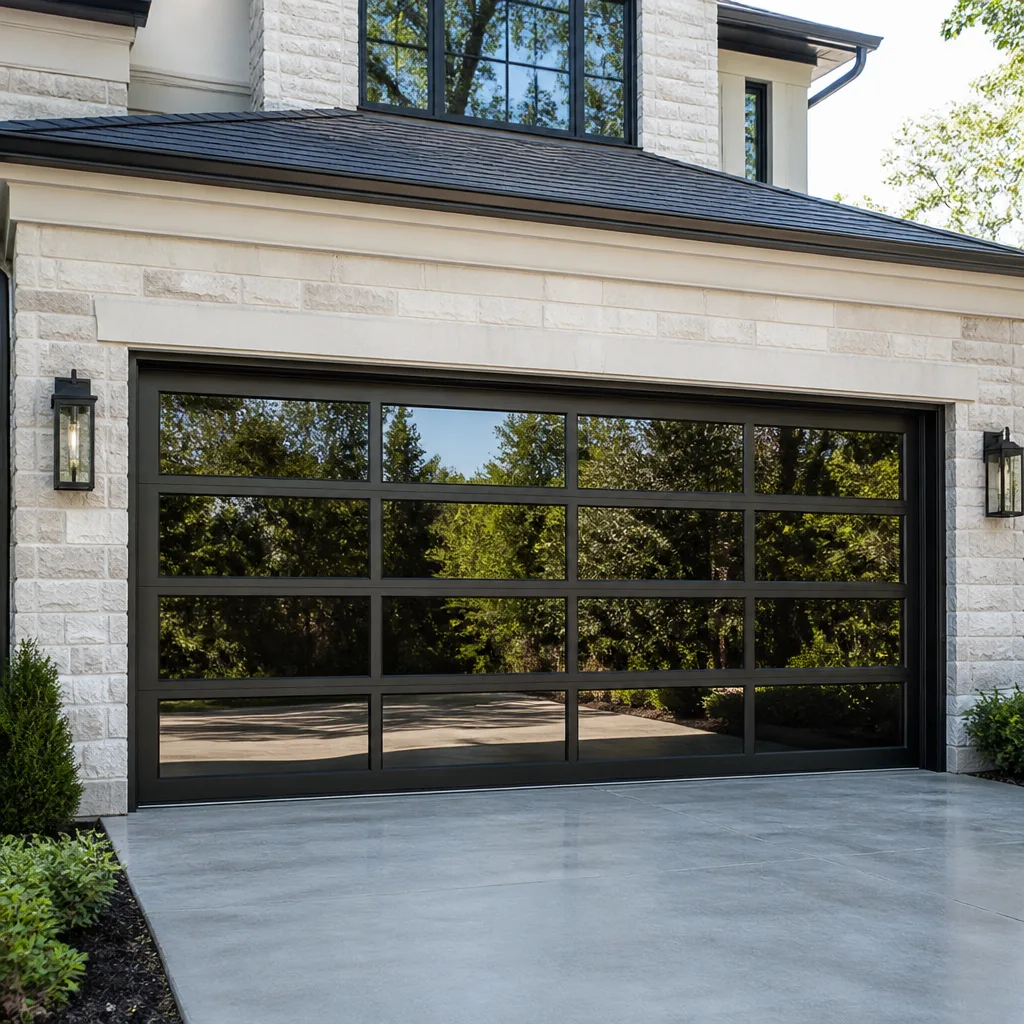 Full-view glass
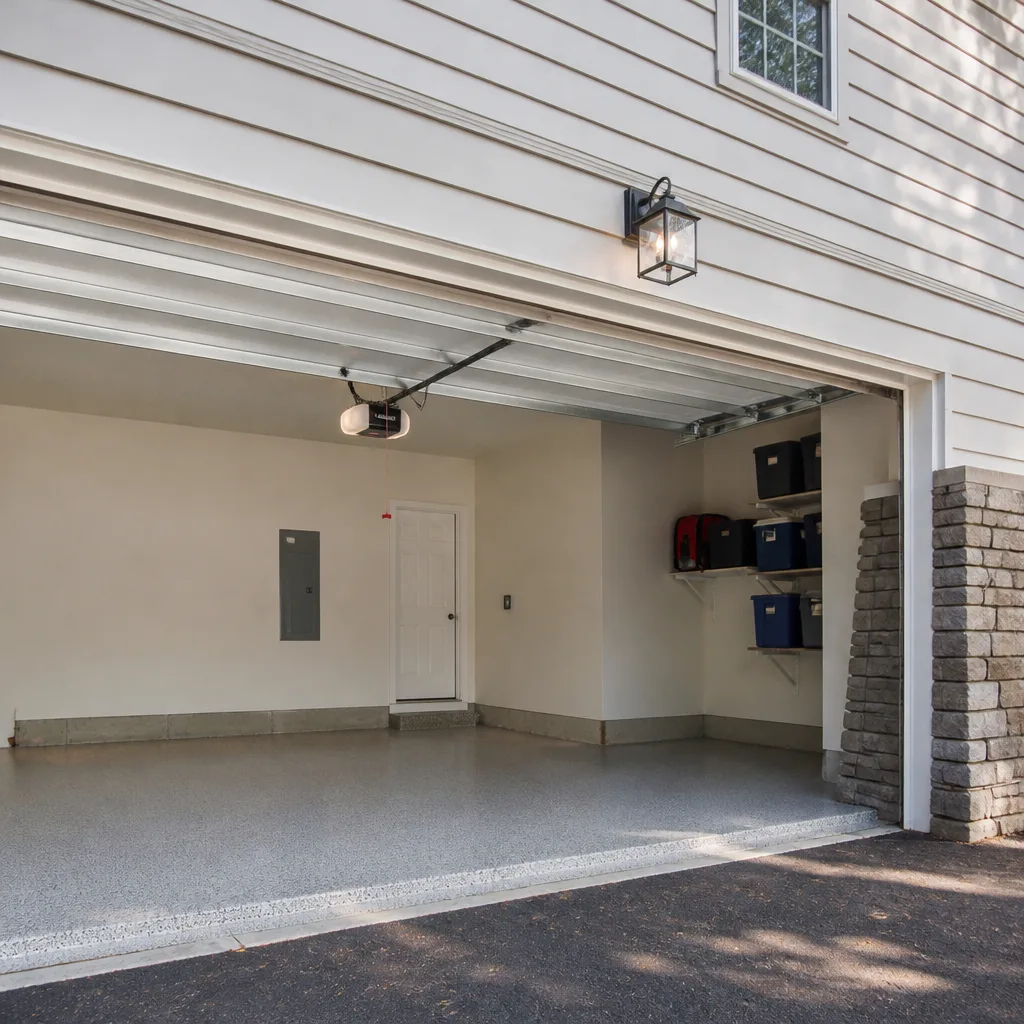 LiftMaster openers
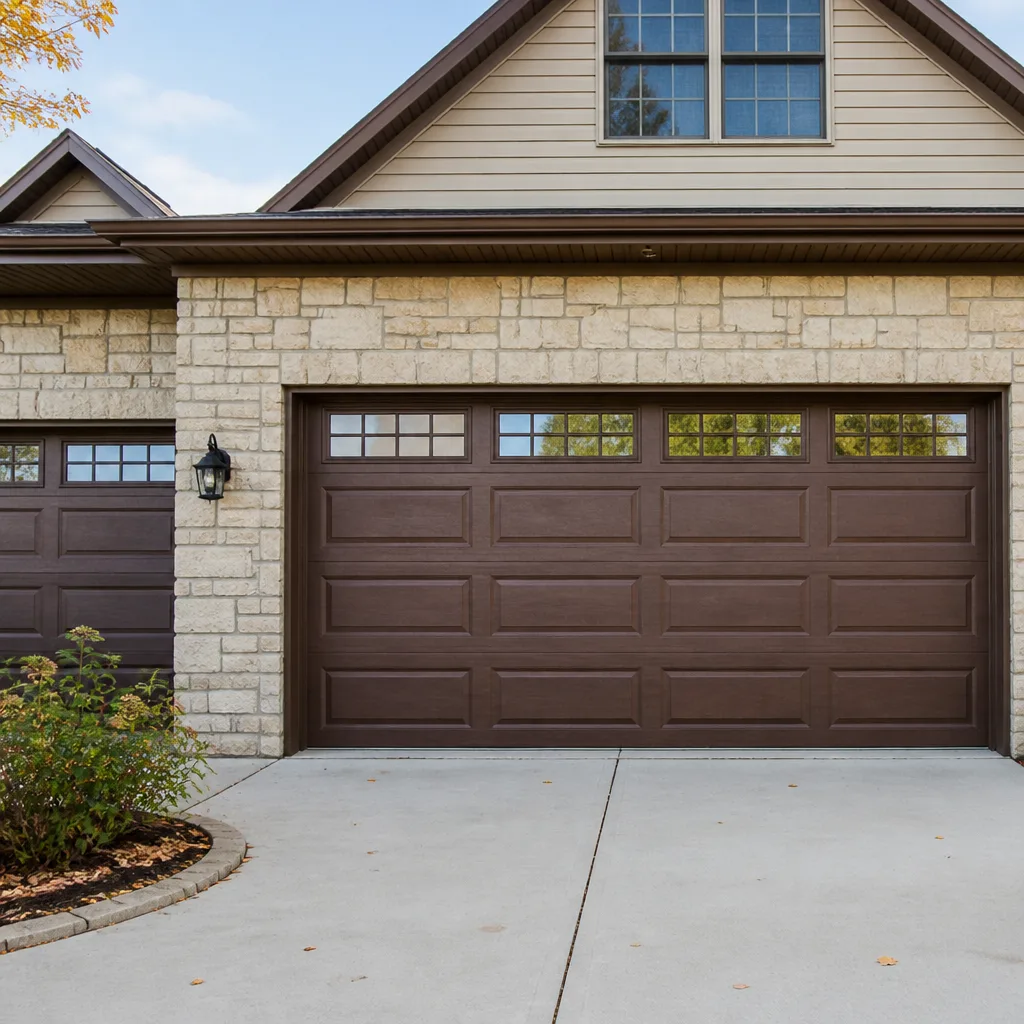 Chamberlain openers
Full 25-point door and opener safety check with every visit - springs, cables, rollers, tracks, and your LiftMaster or Chamberlain opener included
You get a price before we start. It does not change when the pro arrives.
Get your free estimateDIY vs Professional Garage Door: The Highland Park Homeowner’s Decision Guide
A torsion spring stores roughly the same energy as a loaded crossbow. That’s not a scare tactic. It’s a physics fact, and it’s the single most useful thing to know before you decide which garage door jobs you’ll take on yourself and which ones you’ll hand off. Most DIY-vs-pro advice for Highland Park homeowners sorts tasks by difficulty. We sort them by stored energy and injury mechanics, because that’s where the line actually falls. This guide walks through each part of your door, task by task, so you can see exactly what’s safe to tackle and what isn’t. You’ll get the mechanical reasoning, not just a list of warnings.
Styles & brands we work with
- Raised-panel steel
- Carriage house
- Modern flush
- Full-view glass
- LiftMaster openers
- Chamberlain openers
Quick Answer
Safe DIY garage door work is limited to cleaning, lubricating, visual inspection, and adjusting a properly working opener’s settings or safety sensors. Anything involving torsion springs, extension springs, cables, drums, or the tensioned parts of the door is professional territory, because those components hold stored force that releases instantly and unpredictably when handled wrong. Opener replacement sits in the middle: it’s a wiring and hardware job you can sometimes do, but poor sensor alignment is the most common reason a new opener fails right after install.
Table of Contents
- Why This Isn’t Really a Skill Question
- What’s Genuinely Safe to Fix Yourself
- Springs: Why Torsion and Extension Are Two Different Risks
- The Tools That Make DIY Safe vs. the Ones That Get Improvised
- DIYE Opener Installation: The Sensor Alignment Problem
- Cables, Rollers, and Tracks: Where DIY Often Goes Wrong
- When a Simple Repair Reveals a Bigger Problem
- Highland Park Climate and the Parts That Fail Here
- Common Mistakes to Avoid
- When to Call a Professional
- Frequently Asked Questions
- The Bottom Line
Why This Isn’t Really a Skill Question
Most home repair decisions come down to whether you have the tools, the time, and the confidence. A garage door is different. Some of its parts are loaded, and loaded parts are dangerous before anyone touches them. The question isn’t “am I handy enough?” It’s “does this part hold force that could hurt me if I misjudge it?”
Think about what’s actually happening on your door. The springs are stretched or wound deliberately so they balance the door’s weight. That’s the whole point. Without that stored force, you couldn’t lift a 150- to 300-pound door with one hand. So the spring is doing real work every second the door is closed. That energy doesn’t disappear when the spring breaks or when you loosen the wrong bolt. It has to go somewhere.
Here in Highland Park, we see plenty of homes with doors that have been adjusted, re-tensioned, or partially replaced over the years. That makes the energy situation less predictable, not more. A door that looks like a standard setup might have mismatched springs, a cable that’s been re-crimped, or a bracket tightened with a substitute bolt. None of that is visible from the floor.
The practical upshot is simple. We split every garage door job into two categories. Category one: work that doesn’t involve stored force. Category two: work that does. The line between them is where your decision should be made.
What’s Genuinely Safe to Fix Yourself
Quite a lot, actually. Routine maintenance genuinely belongs in the homeowner’s hands. It keeps the door quiet, extends the life of the parts, and makes it easier to spot a problem before it becomes an emergency. Here’s what you can reasonably do yourself.
- Lubricate the moving parts. Rollers, hinges, and the track need grease that’s made for garage doors, not general-purpose oil. Once or twice a year is enough in most Highland Park garages.
- Wipe down the tracks. A damp cloth, then dry. Leave the liquid lubricants off the track itself. The door rides on the wheels, not the track surface.
- Wash and inspect the door panels. Look for dings, cracks, and paint failure. Catching a small dent early saves a panel replacement later.
- Test the safety reverse. Put a small object under a closing door and confirm it reverses. Check the light sensor pair at the base of the door for alignment and dust.
- Adjust opener force and travel settings. These are set from the opener head, per the manufacturer’s manual. For a LiftMaster or Chamberlain unit, the manual shows exactly which dials or buttons govern what.
- Replace the remote battery and re-pair a remote. Routine and harmless.
- Look and listen. Note any new squeak, rattle, or shudder. Logging what changed is a real diagnostic skill.
Notice what’s not on that list: anything that requires releasing tension. Every safe task above works on parts that are at rest, or on the electronics of the opener. None of them ask you to loosen a set screw on a spring, cut a cable, or lift a door off its hinges.
Springs: Why Torsion and Extension Are Two Different Risks
People lump garage door springs into a single category. They shouldn’t. Torsion springs and extension springs fail differently, hold force differently, and require completely different tools and precautions.
Torsion springs
A torsion spring is mounted horizontally above the door and wound around a shaft. The force is stored as rotational energy. If it releases while you’re winding or unwinding it, the winding bar and shaft can spin with serious force, and the spring itself can fly. That’s where the crossbow comparison fits. You need special winding bars, a reliable understanding of how many turns are on each spring, and the physical leverage to control the release. Most homeowners don’t have winding bars at all, and the ones who buy them often don’t have the control that years of practice give you. We tell Highland Park homeowners to leave torsion springs alone, every time.
Extension springs
Extension springs run alongside the tracks above the door and stretch linearly. When one fails, it releases while already stretched, and a broken extension spring can whip through the garage. That’s why most extension spring setups use safety cables running through the middle of the spring. If those cables are missing or rusted through, the failure is genuinely dangerous.
Here’s the wrinkle: a broken extension spring is easier to look at and easier to think through than a torsion setup. That’s exactly what makes it more tempting to attempt, and why so many injuries happen here. The spring looks like a big rubber band. It doesn’t behave like one.
We treat both types as professional jobs. If you’re on the fence about what type your Highland Park door has, that itself is a good reason to get an expert opinion. Brands like Clopay and Amarr show up across Highland Park’s older and newer homes, and each model specifies its own spring pairing.
The Tools That Make DIY Safe vs. the Ones That Get Improvised
This is where a lot of the real difference between safe DIY and a dangerous mistake lives. Tools designed for garage door work exist for a reason. When they aren’t on hand, homeowners reach for substitutes. Here’s what a properly equipped job looks like versus what we see improvised.
Tools a safe DIY job actually requires
- Ladder rated for the height and weight of the work
- Winding bars, specifically for torsion springs
- Properly sized wrenches and nut drivers for the door’s hardware
- Cabinet-style clamps or locking pliers for holding the door on the track without removing it
- Manufacturer-specified lubricant for rollers, hinges, and springs
- A second person for anything involving lifting or positioning panels
Dangerous improvisations we hear about
- Screwdrivers used as winding bars (these slip and shatter)
- Adjustable wrenches on high-torque hardware
- Metal rods, extension cords, or plumbing pipe substituted for proper bars
- Vice grips on parts that need to hold precisely under tension
- Removing the door’s balance by “just testing” a spring with fingers or pliers
The pattern is consistent. The unsafe choices are the ones where a general tool is asked to do a specific job it wasn’t built for. When the tool slips, there’s nothing between you and the stored force inside the spring. That’s why even a fairly capable Highland Park homeowner should step back when the required tool isn’t already in the garage.
Opener Installation: The Sensor Alignment Problem
Replacing an opener is the most common DIY project we get asked about. It’s genuinely doable for a handy homeowner, and the wiring is straightforward for anyone comfortable with a low-voltage connection. The problem isn’t the install. It’s what happens after.
Safety sensors are the two small lights at the base of the door tracks. They need to be aligned so the beam between them runs uninterrupted. In our experience working across Highland Park homes, sensor misalignment is the most common reason a newly installed opener fails. The door goes up fine, closes a foot, reverses, and the homeowner thinks the opener is defective. Usually it isn’t. The sensors are just slightly off after the new unit went up.
Why sensor alignment trips up DIY installers
- The brackets rarely match. A new opener often uses different mounting brackets than the old one. The old sensor position doesn’t translate.
- Small misalignments are invisible. A sensor a quarter-inch off still looks straight. It still throws the beam wrong.
- The garage floor settles. Highland Park’s seasonal ground movement can shift a sensor out of alignment months after installation. It works fine for a while, then doesn’t.
- Wiring polarity matters. Many homeowners get the wire gauge or polarity wrong during the install, and the system behaves unpredictably.
- Roofline LED interference. Some LED fixtures interfere with sensor signal. It’s a documented pattern across brands we work on.
Here’s how we’d frame the cost-benefit. If you’re a confident DIYer with a level, a ladder, and patience for a call-back, the install is a fair project. If you want it done once and want the sensor setup right the first time, a professional install is a better fit. We work across LiftMaster and Chamberlain systems regularly, and the diagnostics are usually about two things: sensor alignment and opener force calibration. Get those right and the door behaves.
Cables, Rollers, and Tracks: Where DIY Often Goes Wrong
Rollers and tracks look like friendly, mechanical parts. The cables are the ones to respect. Here’s the sorting.
Low-risk and reasonable
- Replacing rollers. Usually a matter of removing the hinge pin and sliding the new roller in. Wear gloves and use a proper ladder.
- Straightening a minor track bend. Small misalignments sometimes respond to gentle persuasion if the bend is shallow and doesn’t reach a hinge or roller.
- Tightening a loose hinge. Bolts work loose over time. Tightening is routine.
High-risk or professional-only
- Any cable replacement. Cables hold the door’s weight alongside the springs. A cable under tension can cut, and a released cable lets the door drop. This is not a homeowner job.
- Replacing a bent or damaged track. The geometry is precise. Bending a track back into shape usually means the door won’t ride smoothly even if it closes.
- Adjusting spring tension to fix a door that opens slow. Wrong tool, wrong place to intervene. See the spring section above.
- Replacing a bottom bracket. This bracket holds cable tension. It’s a spring-loaded component, not a cosmetic one.
The Highland Park climate adds a wrinkle. Seasonal expansion and contraction is hard on cables and tracks here. A track that worked fine in spring can bind by February. Resetting it is sometimes a five-minute adjustment. Sometimes it’s a sign the geometry is off and the door needs attention. Knowing which is which takes practice.
When a Simple Repair Reveals a Bigger Problem
This is the moment that changes the calculus. You set out to replace a noisy roller, and halfway through you find a frayed cable or a spring with visible cracks. Or the door suddenly won’t sit level. The original plan was safe. The new problem isn’t.
Signs a small repair just got bigger
- A spring shows any cracks, rust bleeding, or visible separation. A spring that size has a finite service life. Cracks mean it’s near the end.
- Cables are frayed, kinked, or have damaged crimps. Cables have failed and are being asked to hold a load. Stop here.
- Bolts on the end plates are missing, oversized, or stripped. Someone has been here before, and the tension geometry is uncertain.
- The door hasn’t opened evenly since a previous adjustment. Uneven travel usually traces back to mismatched spring tension.
- Any component has been replaced with a part that visibly doesn’t match the rest of the system. A mismatched spring is a mismatched force. Get an expert opinion before doing anything else.
You don’t need to know what’s wrong to make a smart call. You need to recognize that the job changed, and that the original plan no longer applies. That’s the moment to stop. Every professional in this trade would rather be called before a repair expands into a hazard than after.
We also see this in Highland Park homes where a door has been through multiple owners. The door works, so nobody looks. Then a small repair opens the hood. That’s not a sign the house is falling apart. It’s just how a system accumulates history.
Highland Park Climate and the Parts That Fail Here
Garage doors aren’t climate-neutral. The temperature swings, humidity, and freeze-thaw cycle in Highland Park press on certain parts harder than others. This affects both your DIY decisions and which repairs are worth calling in.
Winter freeze-thaw cycles are the big one. Metal tracks contract and shift, springs see bigger load swings, and hinges work loose at a different rate than in milder climates. A door that behaved perfectly in October may develop a creak or a hitch by December. That’s normal. What matters is whether the change is cosmetic or structural.
- Rollers and hinges: Wear faster with seasonal adjustment demands. Lubrication pays real dividends here.
- Springs: Temperature cycling stresses the metal and shortens the service life compared to more stable climates. This is where professional inspection is worth the visit.
- Cables: Stretch and contract with the seasons. Frays that look minor in fall can be real problems by spring.
- Weather seal at the bottom of the door: Fails from cold and ice. Replacement is genuinely DIY-friendly.
- Opener electronics: Cold-weather force settings need adjustment as the door’s weight distribution shifts with temperature.
You can also treat climate as a maintenance signal. Every fall in Highland Park, do the lubrication pass and check the safety reverse. Every spring, look at the springs and cables. That schedule aligns with when the door is asked to do the most work.
Common Mistakes to Avoid
- Winding a torsion spring without proper winding bars. Screwdrivers, rods, and vice grips are not substitutes. They slip under load, and the damage is often serious.
- Assuming a broken extension spring is the “safe” one to fix. It isn’t. A broken extension spring can whip through the garage if the safety cables aren’t intact. Check the cables before you do anything else.
- Adjusting spring tension to fix a door that’s hard to lift. A door that gets hard to open is usually telling you the spring is failing, not that it needs to be cranked tighter. The right move is inspection, not adjustment.
- Removing the opener from the door without locking the door in place. The door’s weight rides on the opener carriage. Unhook it without locking the door and it can come down on you. Get a proper clamp first.
- Replacing a single spring on a matched pair. Matched springs are meant to work together. Replacing one leaves the pair unbalanced. Two matched springs usually get replaced together.
- Treating a track bend as a cosmetic adjustment. Bending a track back into shape often leaves a flat spot the rollers won’t ride smoothly. It’s a temporary fix that costs more labor later.
- Ignoring a sensor that keeps getting bumped. A sensor that needs adjustment repeatedly is often mounted in a spot that takes a hit from the car or a kid’s scooter. The fix is moving the sensor, not adjusting it every week.
When to Call a Professional
Call in a professional for any work involving a spring, cable, drum, or bracket under tension. Call when the door won’t open evenly, when a repair uncovers damage you didn’t expect, when a sensor keeps throwing the safety reverse, and when the door has been through multiple previous repairs and the history is unclear. Highland Park Garage Door Repair Pros offers free estimates in Highland Park, and our technicians have up to 15 years of experience across eight major door and opener brands. If you need emergency help, we answer 24/7. A call outside dispatch hours is booked into the next opening, Sunday through Friday, 7am to 7pm. For repair, we offer on-site in 60 minutes. You can learn more about our Highland Park Garage Door Repair Pros service, our garage door repair work, or our garage door opener repair.
Frequently Asked Questions
No. Torsion springs and extension springs both hold stored force, and a misjudged release can cause serious injury. Replacing a spring requires winding bars, knowledge of the correct number of turns, and the control that comes with practice. Both types are trained-professional jobs, and the cost of getting it wrong is much higher than the cost of a repair. For any spring work in Highland Park, call a professional.
Sometimes, yes. The wiring is low-voltage and the physical install is straightforward for an experienced DIYer. The risky part is sensor alignment and force calibration after installation. In our experience, sensor misalignment is the most common reason a newly installed opener fails, and it takes a level and patience to fix. If you want it done right the first time, professional installation is the safer bet.
Cleaning and lubricating the tracks, rollers, and hinges; washing and inspecting the door; testing the safety reverse with a small object under the door; adjusting opener force and travel settings per the manual; replacing a remote battery; and replacing the bottom weather seal. Anything involving a spring, cable, drum, or bottom bracket is professional work.
Highland Park garage door repair is quoted per job, and the written estimate sets the price before any work begins. Services range from routine adjustments to full spring replacement and opener repair. Call (855) 710-4739 for an exact quote. Estimates are free.
Usually, yes. A blinking opener light almost always means the safety sensors aren’t seeing each other clearly. Check the two sensor lights at the base of the tracks. Clean the lenses, confirm the lights on both units are solid, and check that nothing is between them. If they’re misaligned, a small adjustment often fixes it. If it keeps coming back, the sensor mounting or the wiring is the problem, and we’d be glad to take a look.
Yes, we offer same-day service for most repair calls and fast dispatch from 7am to 7pm, Sunday through Friday. We answer 24/7. Custom installation and new-door work is measured, ordered, and scheduled rather than same-day. Call (855) 710-4739 to book either. For new door work, see our garage door installation service.
The Bottom Line
The DIY-vs-pro decision for a garage door isn’t about how handy you are. It’s about which parts hold stored energy and which don’t. Lubrication, inspection, sensor adjustment, and opener settings are yours to handle. Springs, cables, drums, and bottom brackets are professional work, every time. In Highland Park, where freeze-thaw cycles work on those parts all year, a professional check on the tensioned side of the door is money well spent. Repair first, replace only when it makes sense. When you’re ready for an expert opinion, we’re one call away.
Call (855) 710-4739 for a free estimate. We answer 24/7. Fast dispatch from 7am to 7pm, Sunday through Friday.
Written by the team at Highland Park Garage Door Repair Pros.
See the difference
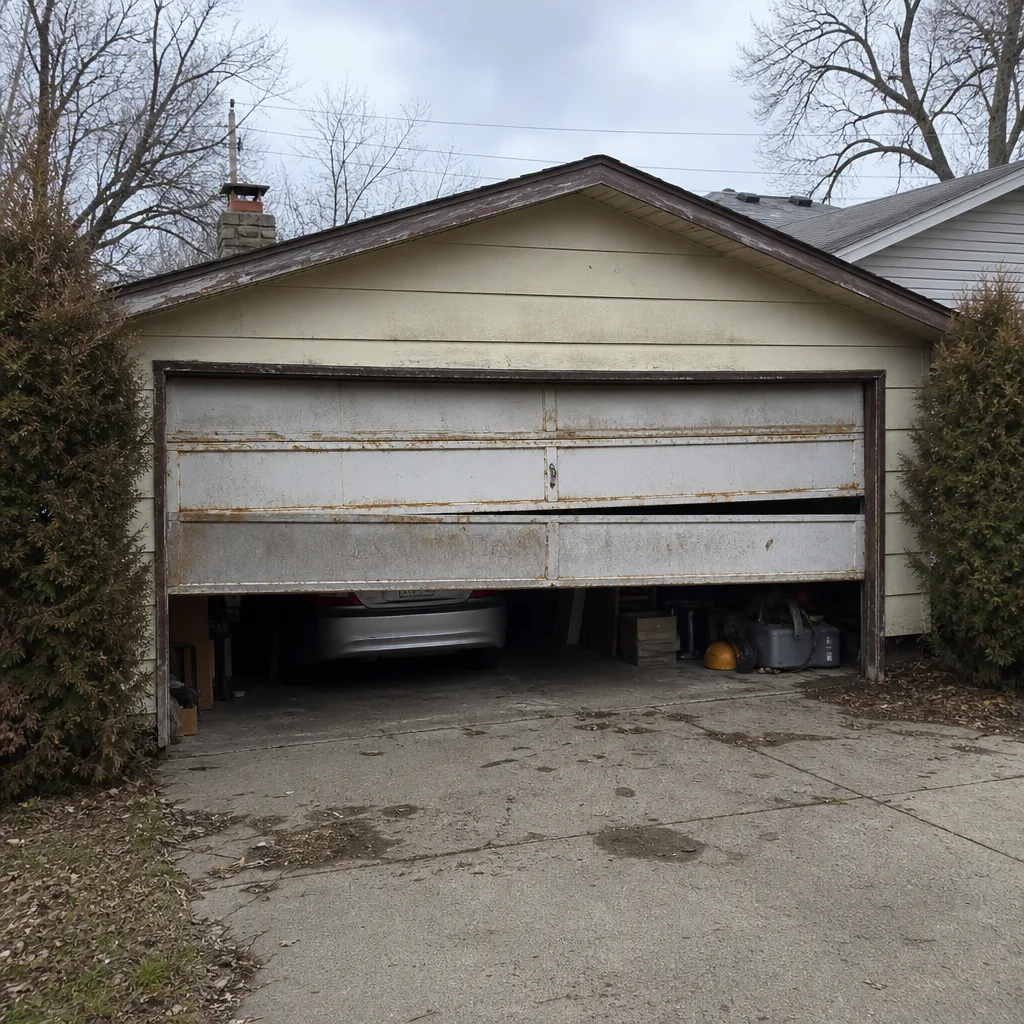 Before
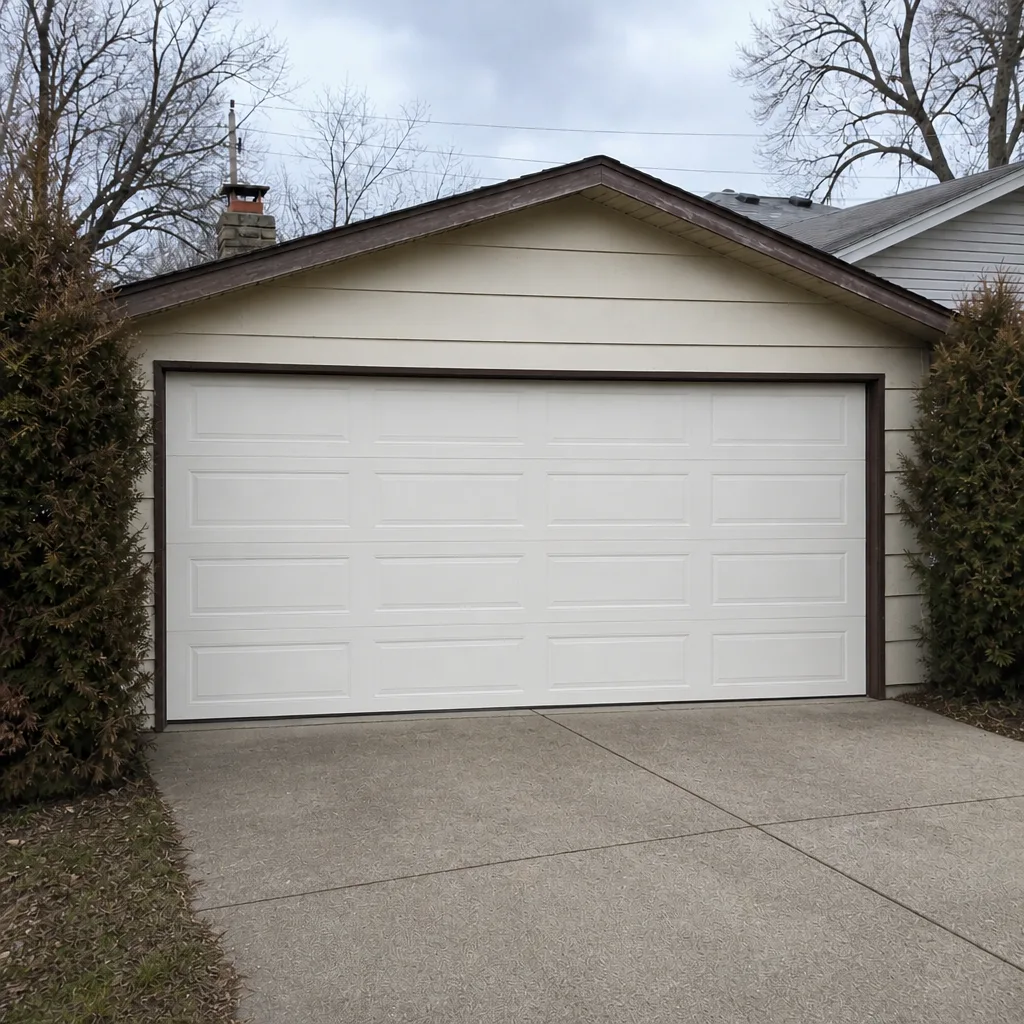 After
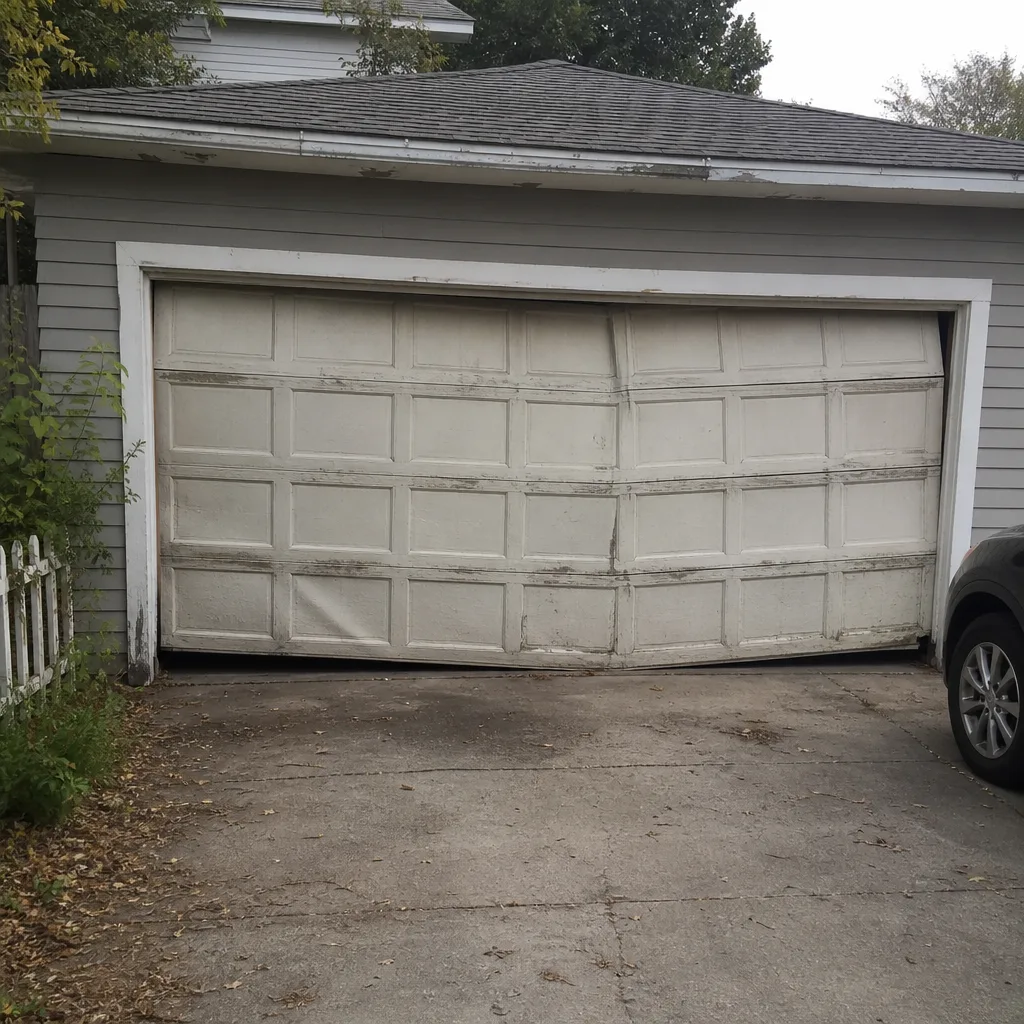 Before
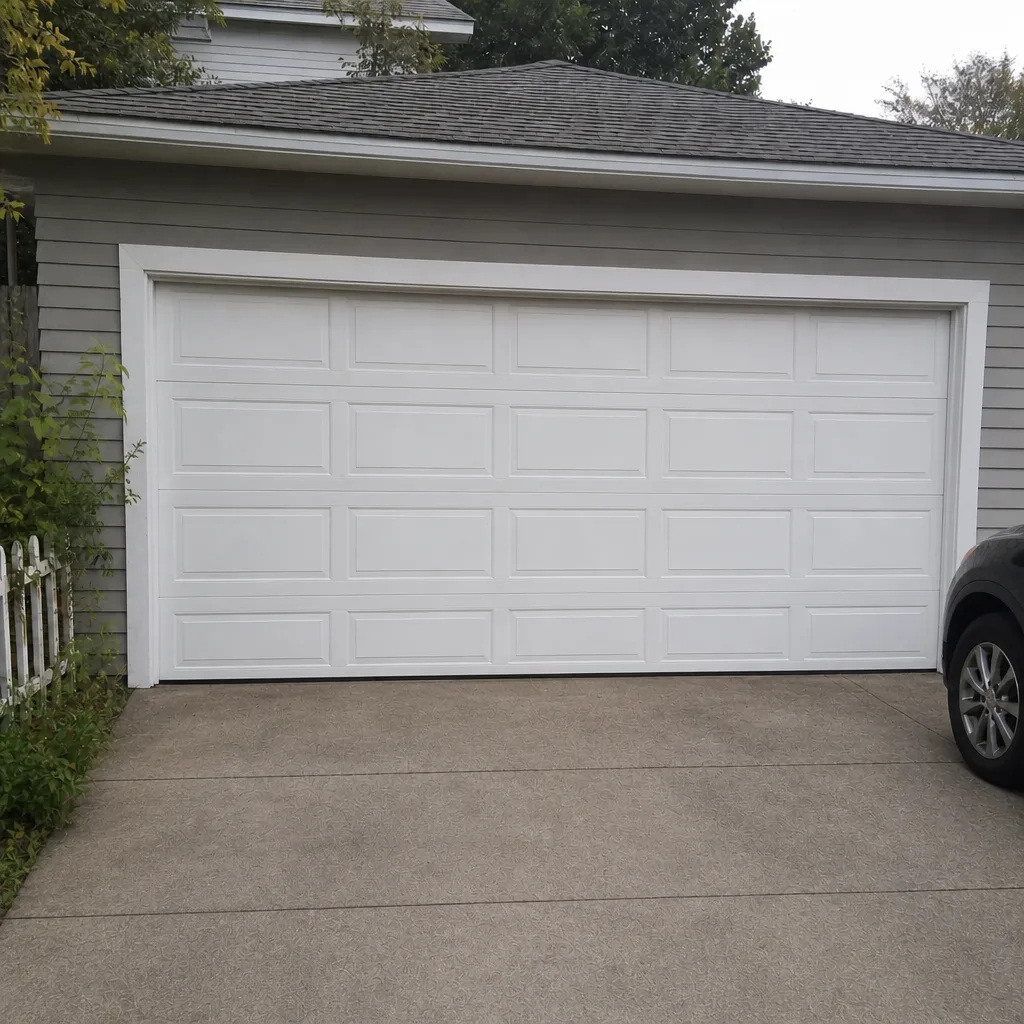 After
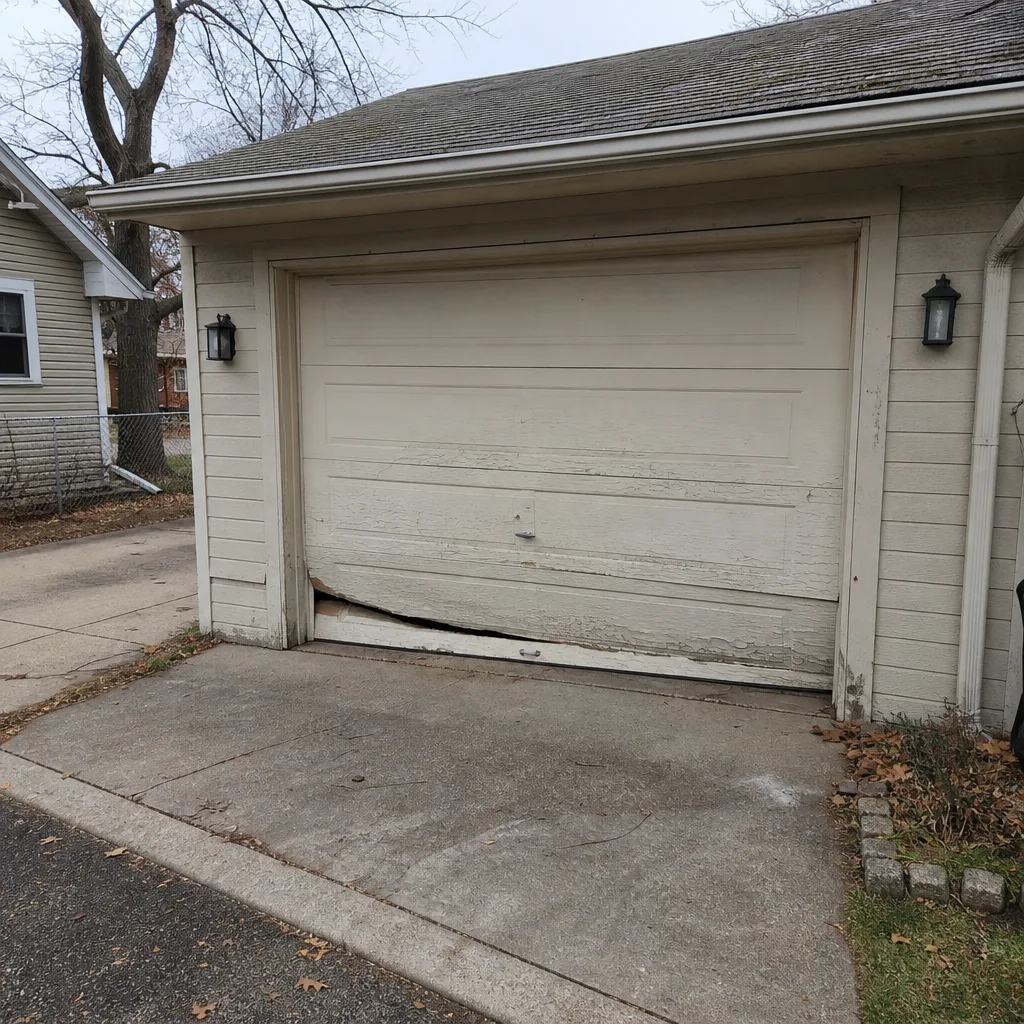 Before
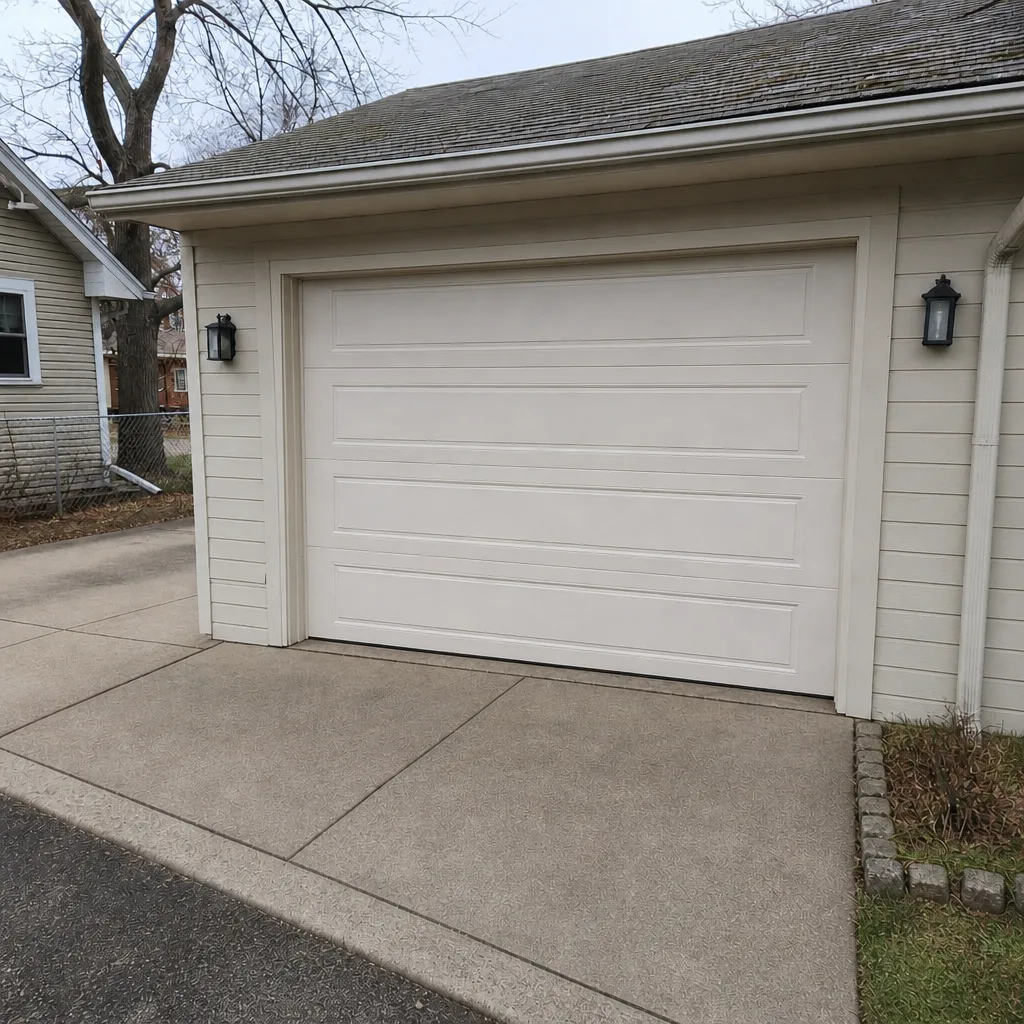 After