
Last updated November 21, 2026
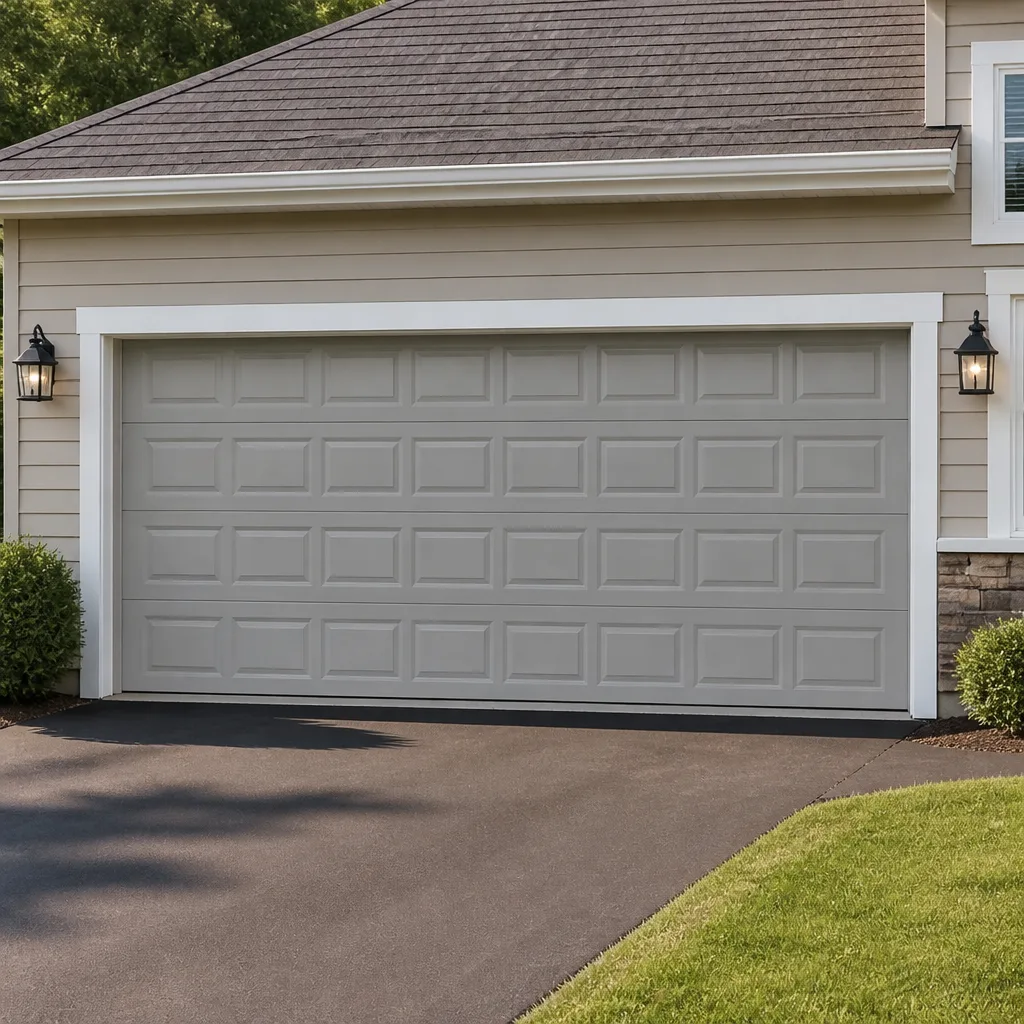 Raised-panel steel
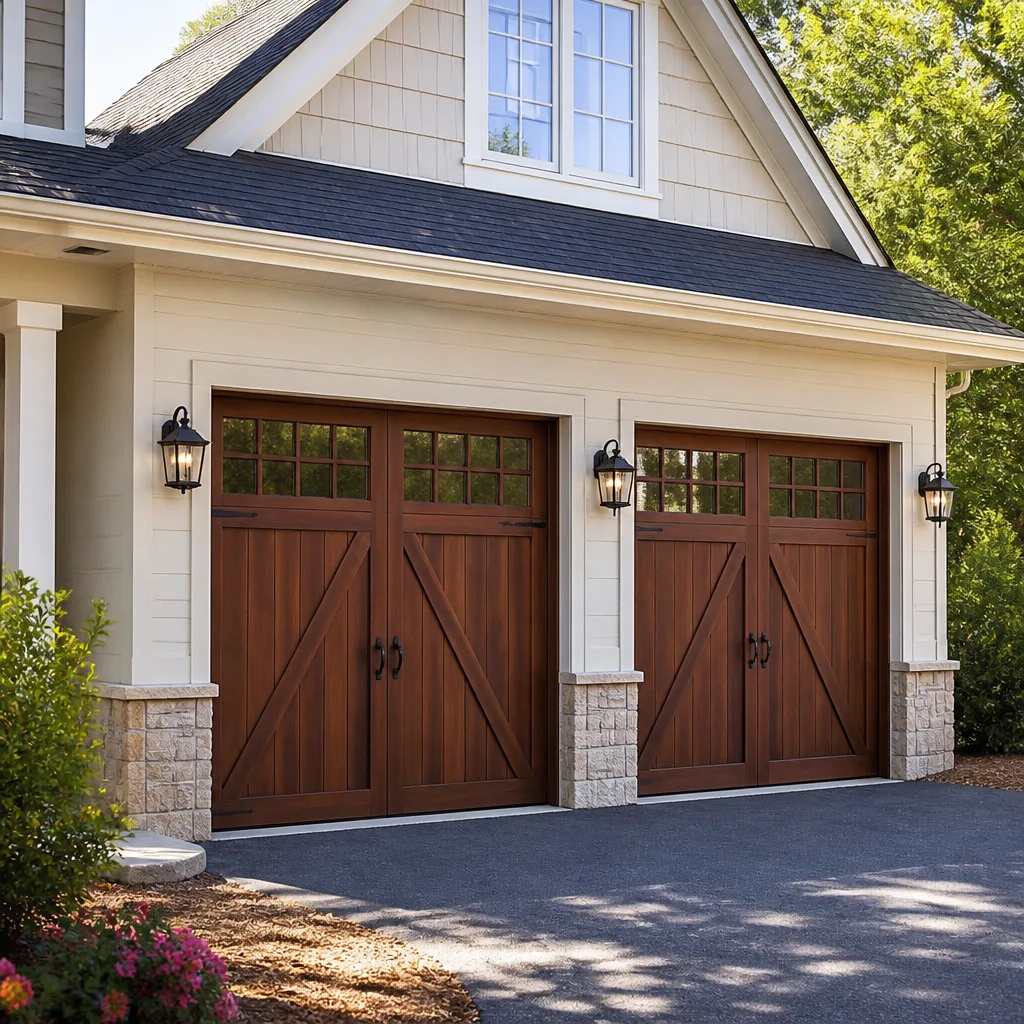 Carriage house
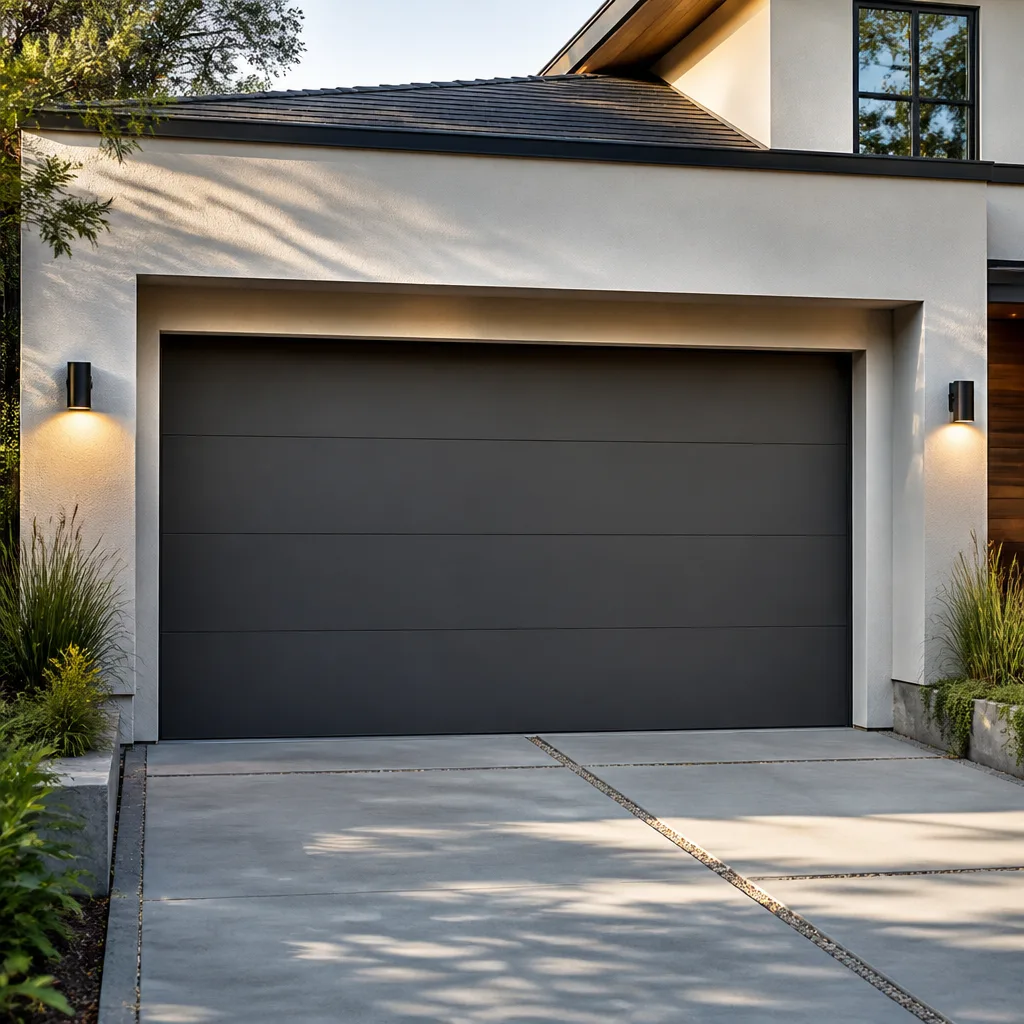 Modern flush
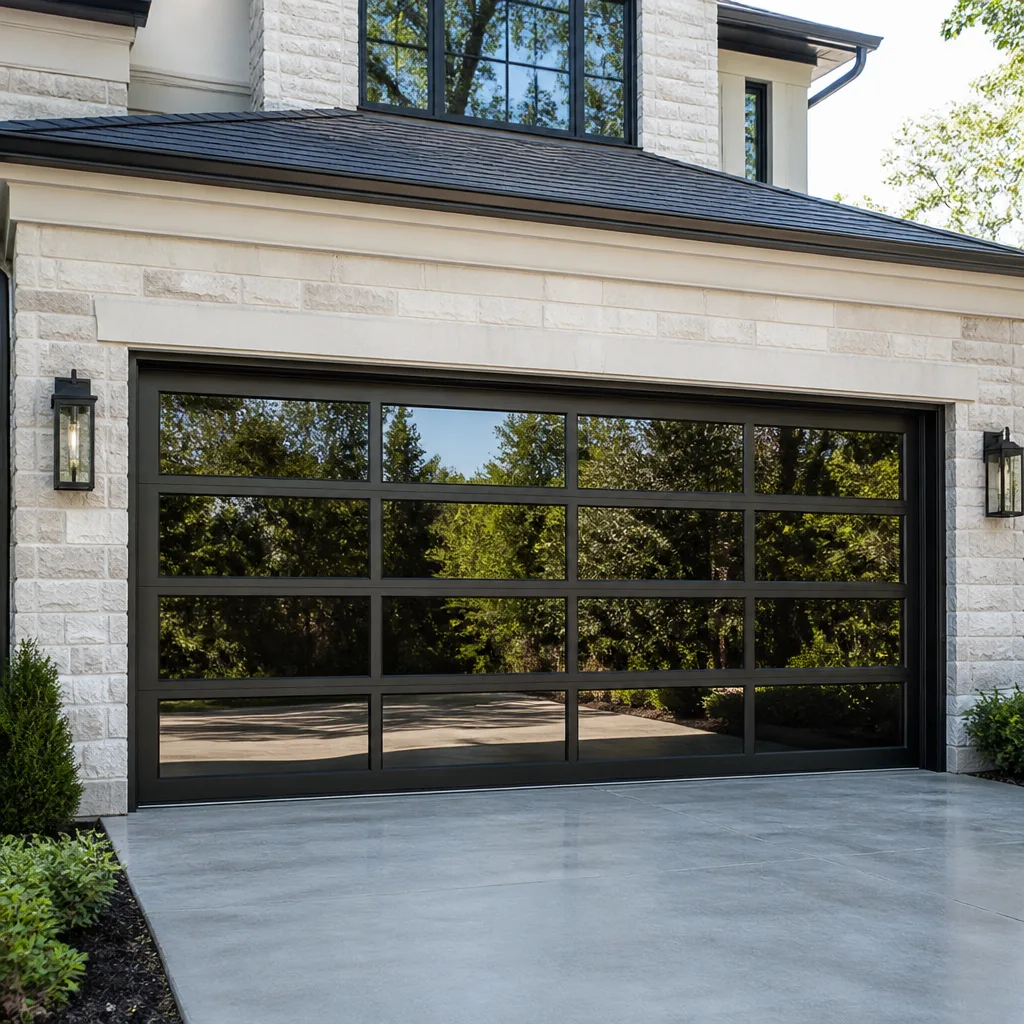 Full-view glass
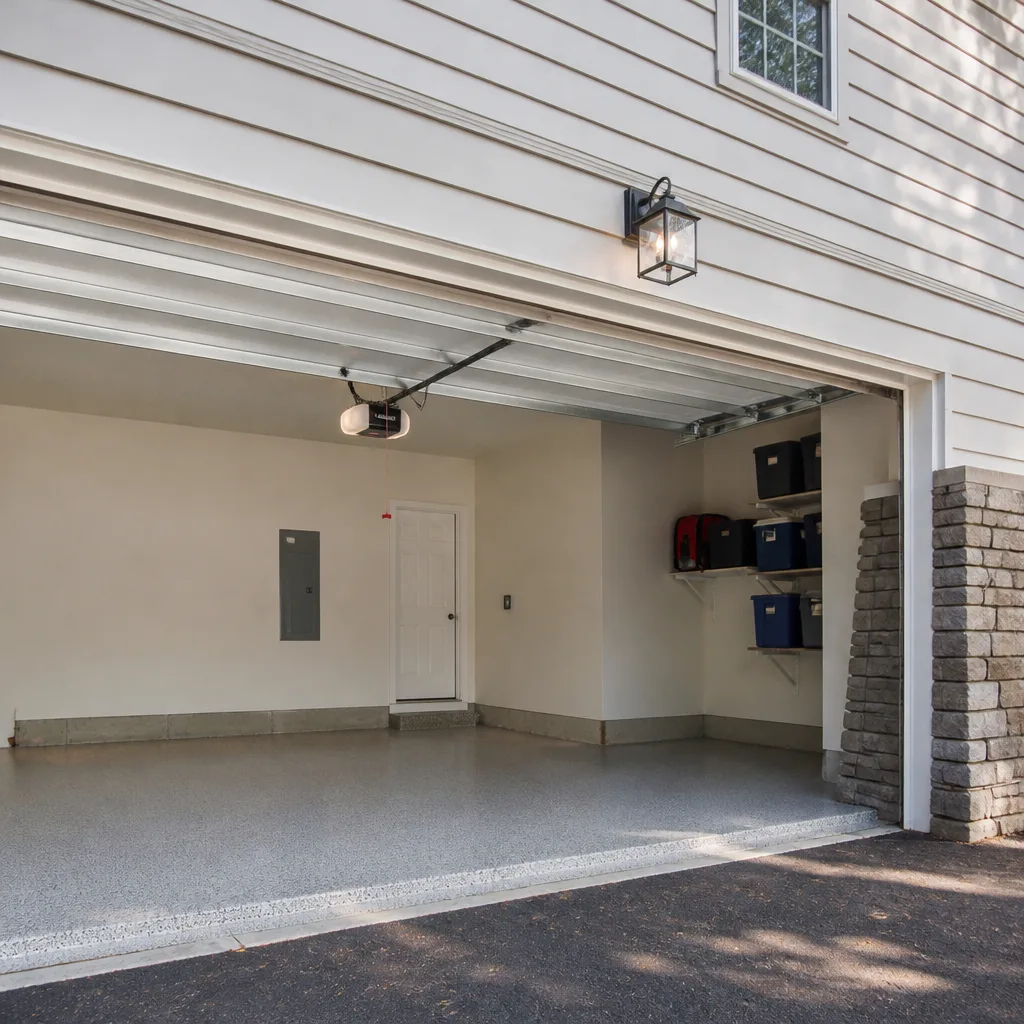 LiftMaster openers
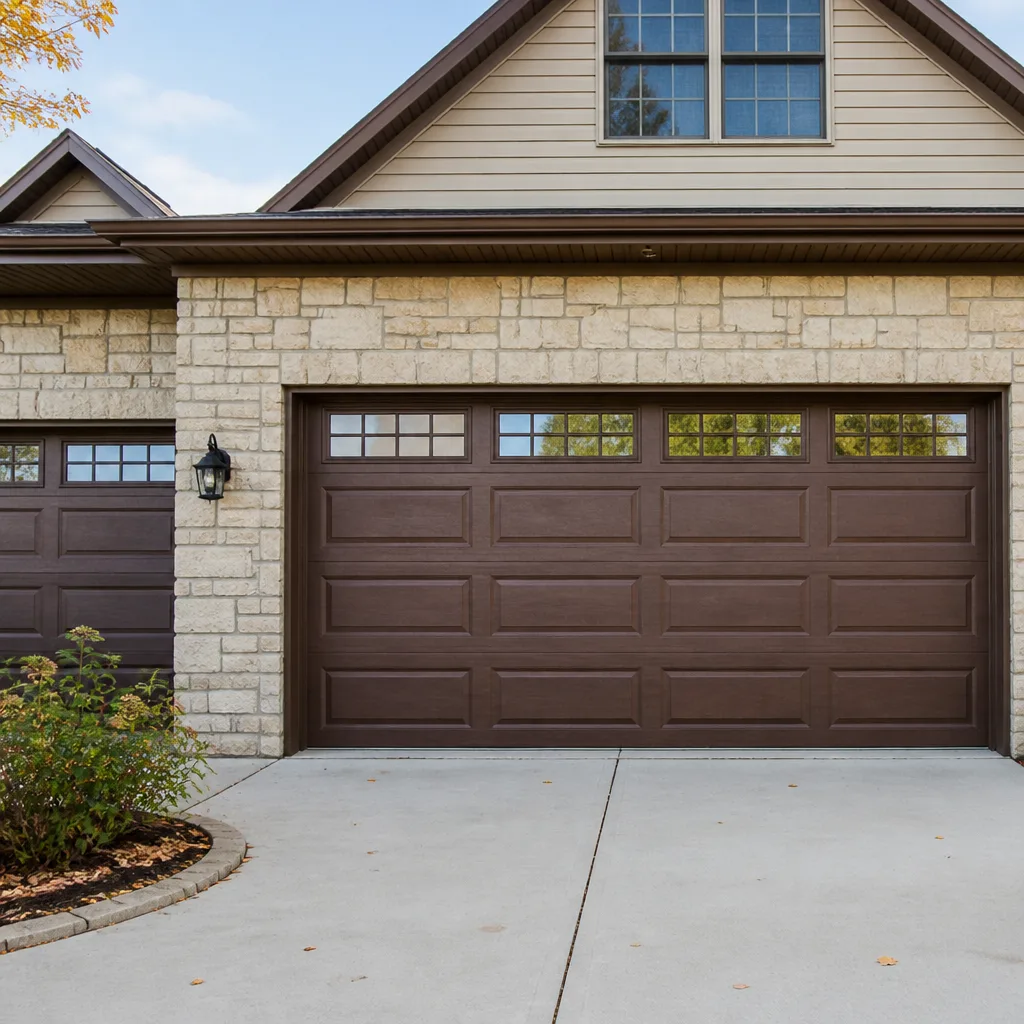 Chamberlain openers
Full 25-point door and opener safety check with every visit - springs, cables, rollers, tracks, and your LiftMaster or Chamberlain opener included
You get a price before we start. It does not change when the pro arrives.
Get your free estimateGarage Door Permits, Codes & Inspections in Highland Park, MN: What You Need to Know
Most garage door replacements in Minnesota don’t need a permit. That’s the part people get right. The part they get wrong is assuming nothing about a garage door ever needs one, then making a structural change during a “simple” upgrade and discovering the problem years later when a buyer’s inspector flags it. A home sale in St. Paul was held up for weeks over an unpermitted header modification made when a door opening was widened. In this guide we’ll walk through the actual Minnesota threshold that separates a permit-required project from a straight swap, what triggers a permit when an opening changes, what an inspector looks for, how to confirm your contractor pulled one, and the HOA layer that applies in parts of Highland Park. If you’re planning work here, this is the piece that keeps you out of trouble.
Quick Answer
In Minnesota, replacing an existing garage door with a like-for-like door of the same size in the same opening generally does not require a permit. You do need a permit when the work changes the structure or the building envelope: widening or heightening an opening, altering a header, cutting a new opening where none existed, or converting a carport to an enclosed garage. The City of Saint Paul and Ramsey County both review garage-related structural and framing work, and the inspector’s focus is on structural integrity, attachment, and code compliance rather than the door panel itself.
Styles & brands we work with
- Raised-panel steel
- Carriage house
- Modern flush
- Full-view glass
- LiftMaster openers
- Chamberlain openers
Table of Contents
- The Minnesota Threshold: What Separates a Permit Job From a Replacement
- When an Opening Change Triggers a Permit
- What a City of Saint Paul or Ramsey County Inspector Actually Looks For
- How to Verify Your Contractor Pulled the Permit
- Why Skipping a Permit Costs You at Resale
- HOA Overlay Rules in Highland Park’s Historic and Near-Historic Blocks
- How Highland Park’s Climate Affects the Work Behind the Door
- The Permit Process, Step by Step
The Minnesota Threshold: What Separates a Permit Job From a Replacement
Minnesota’s building code treats a garage door replacement as ordinary maintenance as long as you’re not changing the structure. The threshold is easier to remember than people expect: the moment your project touches framing, a header, or the dimensions of the rough opening, you’ve left replacement territory and entered permit territory. If the door comes out and a same-size door goes back into the same framed opening with the same tracks and hardware attachment points, you’re in the clear.
Here’s the practical breakdown of what usually sits on each side of the line:
- No permit typically required: replacing a worn door with a new one of the same width and height, swapping damaged panels, replacing springs, cables, rollers, hinges, or tracks, replacing an opener motor or control board.
- Permit typically required: widening an opening, raising the header height, removing or resizing a structural header, cutting a new opening in an existing wall, converting a carport to an enclosed garage, adding a garage to the property, or any work that changes the load path above the opening.
The confusion usually starts with a sales conversation. A homeowner decides to upgrade from a single door to a wider double door for a nicer driveway look, and the installer handles it as a “door job.” That framing hides a structural project. In our experience, most of the permit trouble we see isn’t from people trying to cut corners. It’s from people who were told the whole thing was cosmetic.
For straight replacement work, you don’t need to call the city at all. Our garage door installation team can tell you in a quick phone conversation which side of the line your project is on, because the answer comes down to a few measurements and one question about the header.
When an Opening Change Triggers a Permit
Any project that changes the shape, size, or load path of the opening is a structural project. That includes widening, heightening, adding a door where none existed, and converting an open carport into an enclosed garage. Each of these changes what the wall above the opening has to carry, and that’s what the permit process exists to verify.
Here’s the sequence of changes, in order of how often they come up in Highland Park:
- Widening an existing opening. To fit a wider door, the installer cuts back the framing on one or both sides. The header has to be resized and reframed to carry the new span. This is the most common structural change we see, and the one most often treated as a “just a bigger door” job.
- Raising the opening height. A taller door for a taller vehicle means pushing the header up and reworking the framing above. That’s structural.
- Cutting a new opening where none existed. Any new hole in a garage wall, whether into the garage from the house or into a detached garage from the driveway, is a framing project with a permit attached.
- Converting a carport to an enclosed garage. Adding walls and a door changes how the garage loads against the house and the ground, and the inspector will want to see how it’s tied in.
Aesthetic choices like color, panel style, window inserts, or a new opener brand don’t cross the line. You can go from a plain steel door to a Wayne Dalton with a row of windows and stay in replacement territory. You can swap a LiftMaster opener for a different brand without involving the city. The door is the easy part of the job. It’s the framing around it that decides the paperwork.
What a City of Saint Paul or Ramsey County Inspector Actually Looks For
An inspector reviewing garage work is checking the structure, not the door. They’re not grading your panel style or testing your opener. They’re verifying that the framing, header, and attachment will hold up to snow load, wind load, and everyday cycling without shifting. Here’s what they focus on in the field.
- Header size and span. The header has to be sized for the width of the opening it spans. That’s the number one item on any structural garage project.
- Framing connections. How the new framing ties into existing studs, plates, and the surrounding wall. Fastener type, spacing, and how load travels from the header down through the jack studs to the ground.
- Wall bracing. Any new wall assembly needs the right bracing to resist lateral movement, particularly on a wide opening.
- Attachment of the door to the structure. Tracks should be anchored to solid framing, not to drywall or sheathing.
- Garage separation from the house. Where a garage wall adjoins the living space, the inspector will confirm the assembly meets the code requirements for separation.
- Weatherproofing details. Flashing, sill sealing, and the way the door opening sheds water matter more in a wet-freeze climate than in the Sun Belt.
What they don’t typically check is your spring tension, opener brand, or the color of your panels. Those are our concern, not theirs. The safety pieces that live inside the door system – springs, cables, torsion hardware – are inspected for proper installation by whoever does the work, but that’s not a city inspection item. Those springs and cables are also one of the most dangerous parts of the entire assembly to touch. If you’re considering any spring or cable work yourself, stop and call a trained professional. We handle that as core work every day, and it’s the reason our garage door repair team treats spring and cable repairs as a safety job first.
How to Verify Your Contractor Pulled the Permit
Contractors who skip permits usually count on the homeowner not asking. A few simple steps will tell you whether yours is doing things by the book, and they take less than five minutes. You don’t have to know the code to verify that a permit exists.
- Ask in the first conversation. “Will this project require a permit, and if so, will you pull it?” A contractor who answers with anything other than a clear yes or no is worth pressing on.
- Get it in writing. The permit application should be part of the written quote for any structural job. If your quote doesn’t mention permits, that’s a signal to ask again.
- Check the permit record with the city. Saint Paul and Ramsey County maintain online permit lookup. Once a permit is pulled, the record shows the contractor, the scope, and the inspection history.
- Confirm who is named on the permit. The permit should reflect the contractor doing the work. If the record only shows the homeowner, that usually means the contractor asked the homeowner to pull it as an “owner-builder,” which shifts inspection responsibility and liability onto you.
- Ask for the inspection result. A permitted job ends with a passed inspection and a closing record. Ask for that confirmation before you write the final check.
Contractors skip permits for a few reasons. It’s faster. It costs less. It’s easier to hide a shortcut when nobody’s going to look. All three come at the homeowner’s expense later. You can read more about how we approach a job on the Highland Park Garage Door Repair Pros main page, because the practical version of this is: the person pulling the door out should be the same person whose name is on the permit.
Why Skipping a Permit Costs You at Resale
An unpermitted structural modification can hold up a sale. Buyers’ inspectors look at the header over the garage opening, and when it’s been changed, they ask for proof of permit. If there isn’t any, the transaction slows down and can reopen the price conversation. Three weeks of delay is a normal outcome, and once a buyer knows about it, they start asking what else wasn’t permitted.
Here’s the sequence that plays out in a typical resale:
- The buyer’s inspector notes a modified header, widened opening, or new garage wall with no permit record.
- The buyer’s agent requests documentation. You don’t have any, because the previous owner didn’t pull one, or you didn’t.
- The buyer asks for retroactive permitting or a price reduction. Retroactive permitting usually requires opening up finished work so the city can see the framing.
- The closing date extends, sometimes by weeks, sometimes more depending on the city’s inspection queue.
In our experience, most homeowners have no idea a garage project from ten years ago could still be costing them. The garage is the part of the home people touch least and think about least, so unpermitted work behind the door sits quietly until someone starts looking. If you’re about to buy or sell in Highland Park, a quick permit lookup for the address is worth the effort. It’s a lot easier to catch now than after an inspection report lands in your inbox.
HOA Overlay Rules in Highland Park’s Historic and Near-Historic Blocks
Even a permit-legal replacement can trip an HOA rule. Neighborhoods around Highland Park include historic and near-historic blocks where the HOA tries to preserve visual character, and the rules go further than city code ever will. You can be fully permitted by Saint Paul and still get a letter from the HOA because your new door doesn’t match the character of the block.
The HOA overlay typically covers:
- Door style and material. So-called “carriage-house” styles, wood-look panels, and window inserts are frequently restricted or required, depending on the block.
- Color. Specific paint or finish color palettes sometimes apply. A door in the right style but the wrong tone can still be denied.
- Visibility from the street. On corner lots and properties with an exposed driveway, the HOA may have opinions about what the door looks like from the sidewalk.
- Change requests. Many HOAs require an internal review before any exterior change, and that review runs on its own timeline. Approvals sometimes take weeks longer than the permit process.
The safest sequence for a Highland Park homeowner is: check with the HOA first, then the city. The HOA decides what you’re allowed to install. The city decides whether the structure supporting it is legal. If you’re still shopping for style, the brand-neutral approach we take means we can install a Raynor, a Wayne Dalton, a Clopay, or a Craftsman-spec door, and the HOA review proceeds on the visual choice you actually want.
How Highland Park’s Climate Affects the Work Behind the Door
Highland Park’s freeze-and-thaw cycle is hard on garage doors in ways the permit code doesn’t account for. The structural work has to be right for the city, but the components behind it have to survive several months of freezing, several thaw cycles, and a summer that swings hot and humid. All of that means more stress on the springs, cables, and bottom seal than the manufacturer’s test conditions, and it means the framing has to move with the seasons without losing its seal.
What we look for on Highland Park jobs specifically:
- Snow-load-aware framing. Any header change or new opening needs to handle the local snow load, not a generic national number.
- Seal and bottom weatherstripping. After a freeze, a worn seal pulls away from the floor and lets meltwater in. We replace those as a matter of course on any Highland Park job that opens up the door.
- Spring wear. Spring fatigue accelerates in temperature extremes. A door that cycled fine last spring can sound different by the first cold snap.
- South-facing exposure. Doors on the south side of a house get more sun in summer and more freeze-thaw cycling in winter, which shows up first in seals and finish.
None of that is a code issue. It’s why the door that’s structurally fine can still be a daily hassle if the pieces behind it weren’t specified for a Highland Park winter. If the door’s moving but not smoothly, our garage door opener repair team can trace it back to the opener, the springs, or the tracks without ripping out what’s still good.
The Permit Process, Step by Step
If your project does hit the threshold, here’s what the process looks like from start to final inspection. The order matters more than people expect, and the fastest way to slow a job down is to start work before the permit is issued.
- Determine scope. Decide whether the project is a straight replacement or a structural change. A contractor can help you make that call quickly. Most of the time it’s obvious once the header is measured.
- Check HOA approval. In Highland Park, do this before filing with the city. The HOA timeline runs on its own clock and there’s no shortcut.
- File the permit. The licensed contractor pulls the permit under their name, outlines the scope, and posts it on the site for the inspector.
- Complete the work. Install the framing, header, and door per the approved scope. If a change has to happen mid-project, the permit gets updated before the change is made.
- Schedule inspection. The inspector reviews the structural work, framing connections, and code compliance. Corrections, if any, are listed in the report and re-inspected once fixed.
- Record the close. Once the inspection passes, the permit closes and the record becomes part of the property’s history. That record is what protects you at resale.
None of this is difficult. It’s administrative. The key is that the person responsible for the work is the same person on the permit, which is where the shortcut contractors differ from the ones who do it by the book. In our experience, homeowners who ask about permits on the first call are the ones who don’t have surprises later.
Common Mistakes to Avoid
- Assuming no permit is ever needed. Replacement usually doesn’t need one, structural work usually does. Treat every project as if the answer isn’t obvious and ask.
- Widening an opening without reframing the header. A wider door needs a bigger header. Doing one without the other is the most common unpermitted shortcut we see on Highland Park homes.
- Letting the contractor pull the permit as “owner-builder.” If the permit is in your name but you didn’t do the work, you carry the liability if the inspection finds a problem.
- Skipping the HOA step. Some Highland Park blocks have HOA rules that go further than city code on style and color. Skipping that review can get a door denied after it’s already installed.
- Treating a carport-to-garage conversion as a door job. Enclosing a carport is a structural project and needs a permit before work starts.
- Not keeping the inspection paperwork. The final inspection close is the document that shows your buyer. Keep it with the same folder as your other home records.
- Handling spring or cable work yourself because “the door’s already open.” A wound torsion spring holds enough stored energy to cause serious injury. That’s the one part of the assembly that shouldn’t be a DIY job, no matter what a video suggests.
See the difference
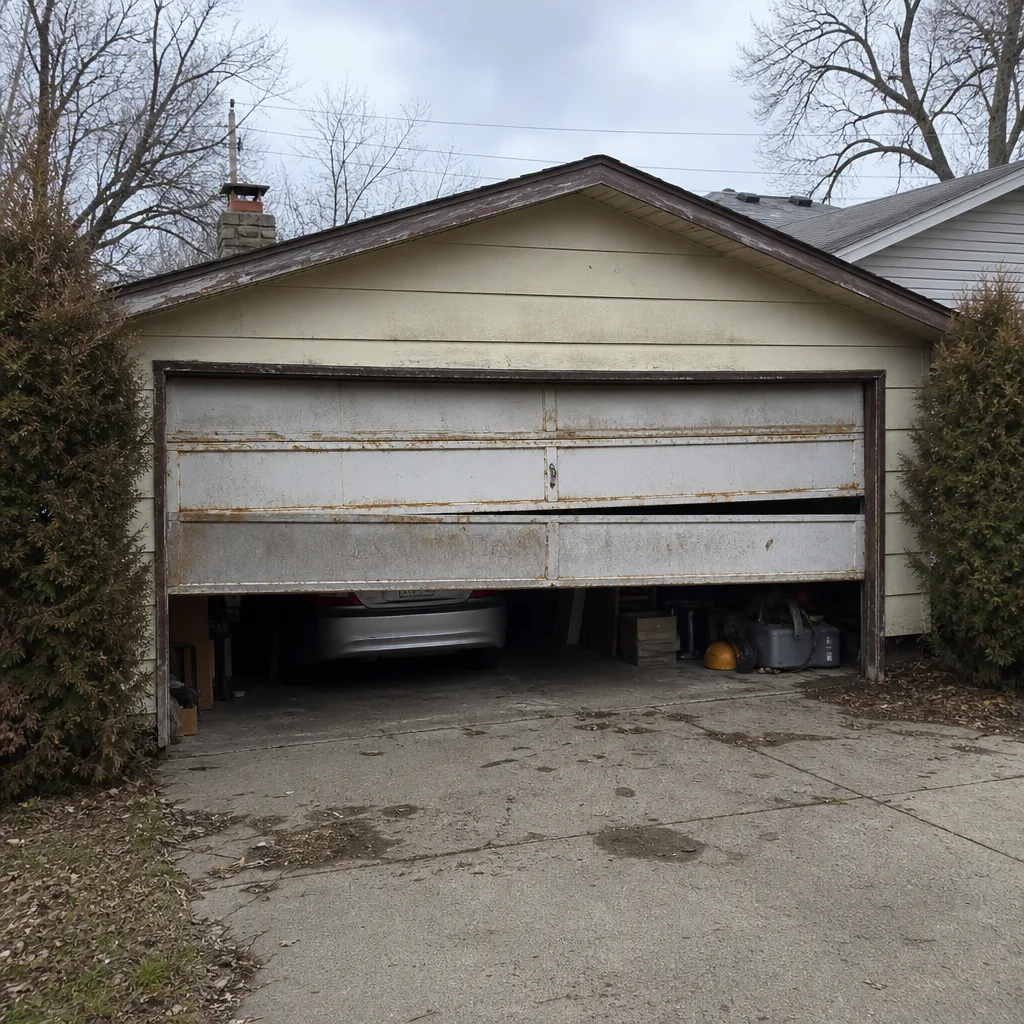 Before
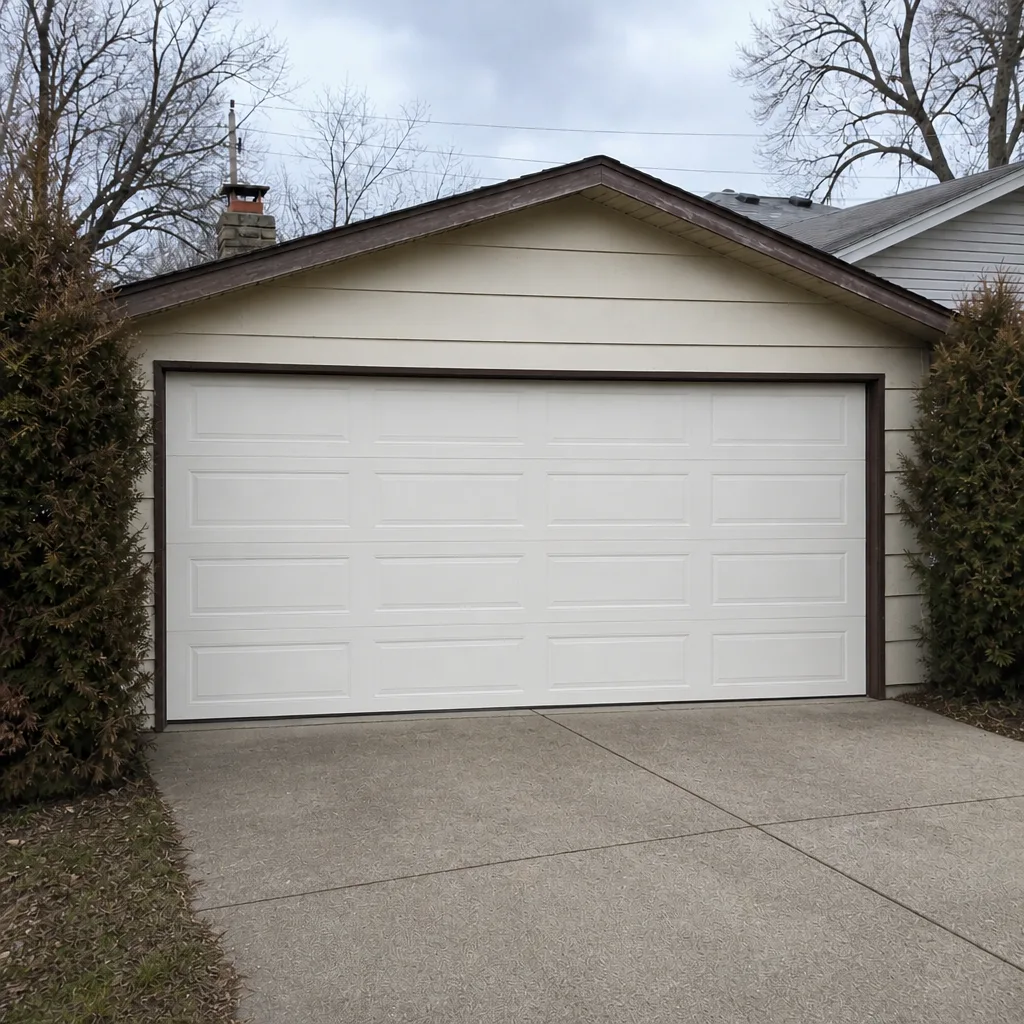 After
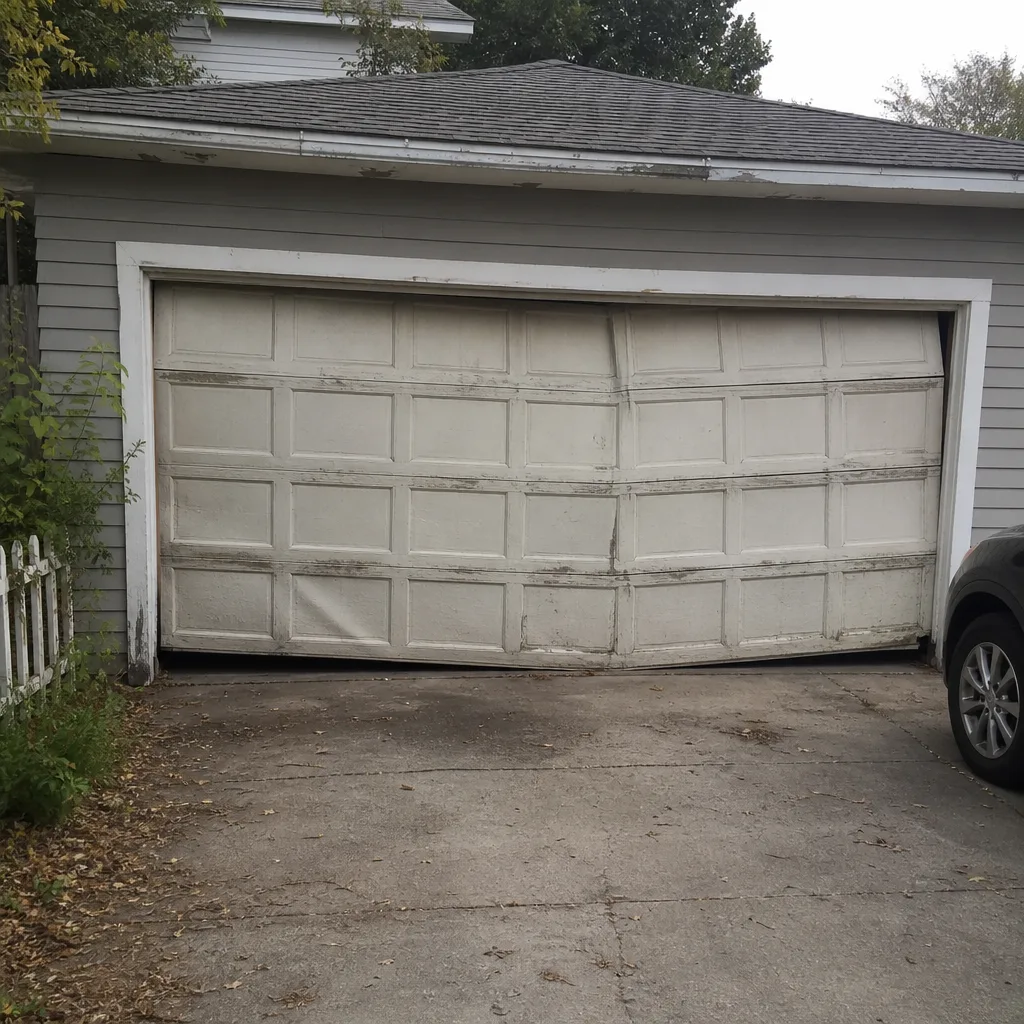 Before
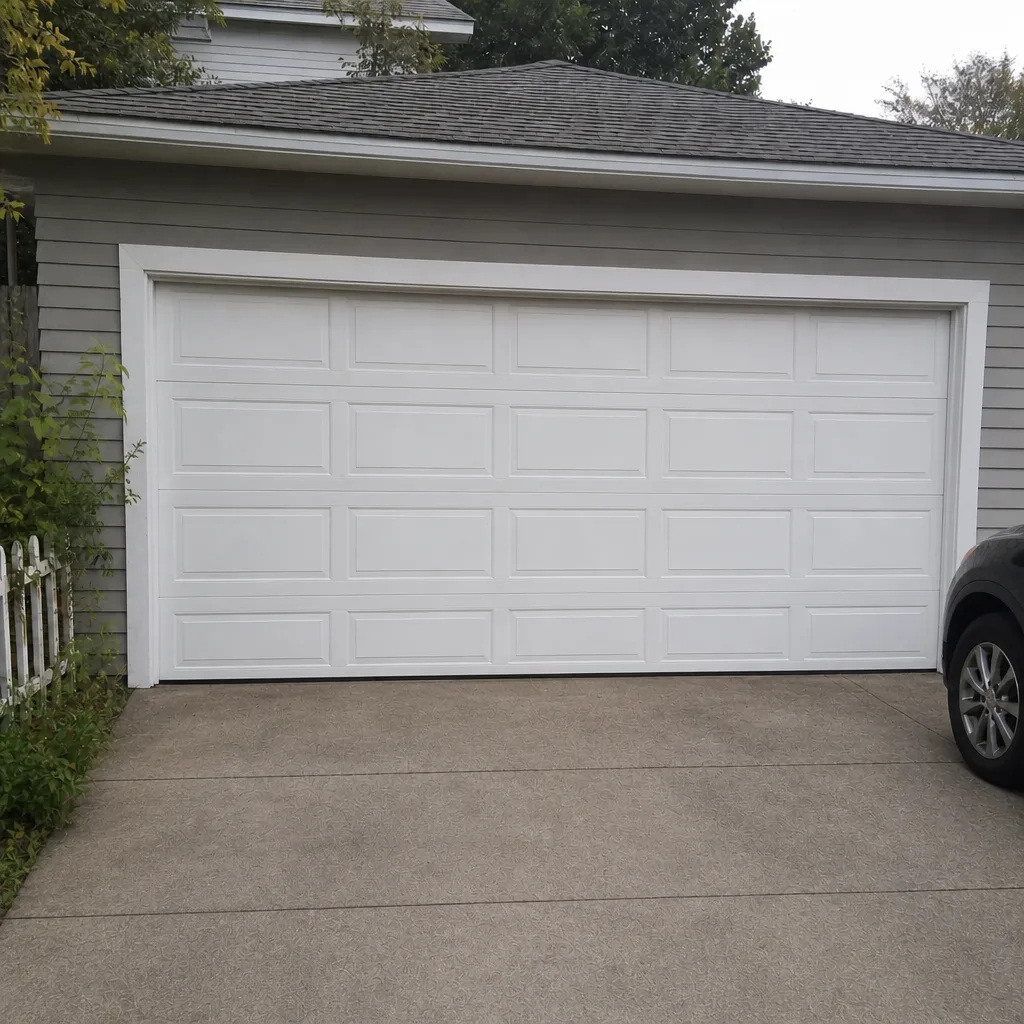 After
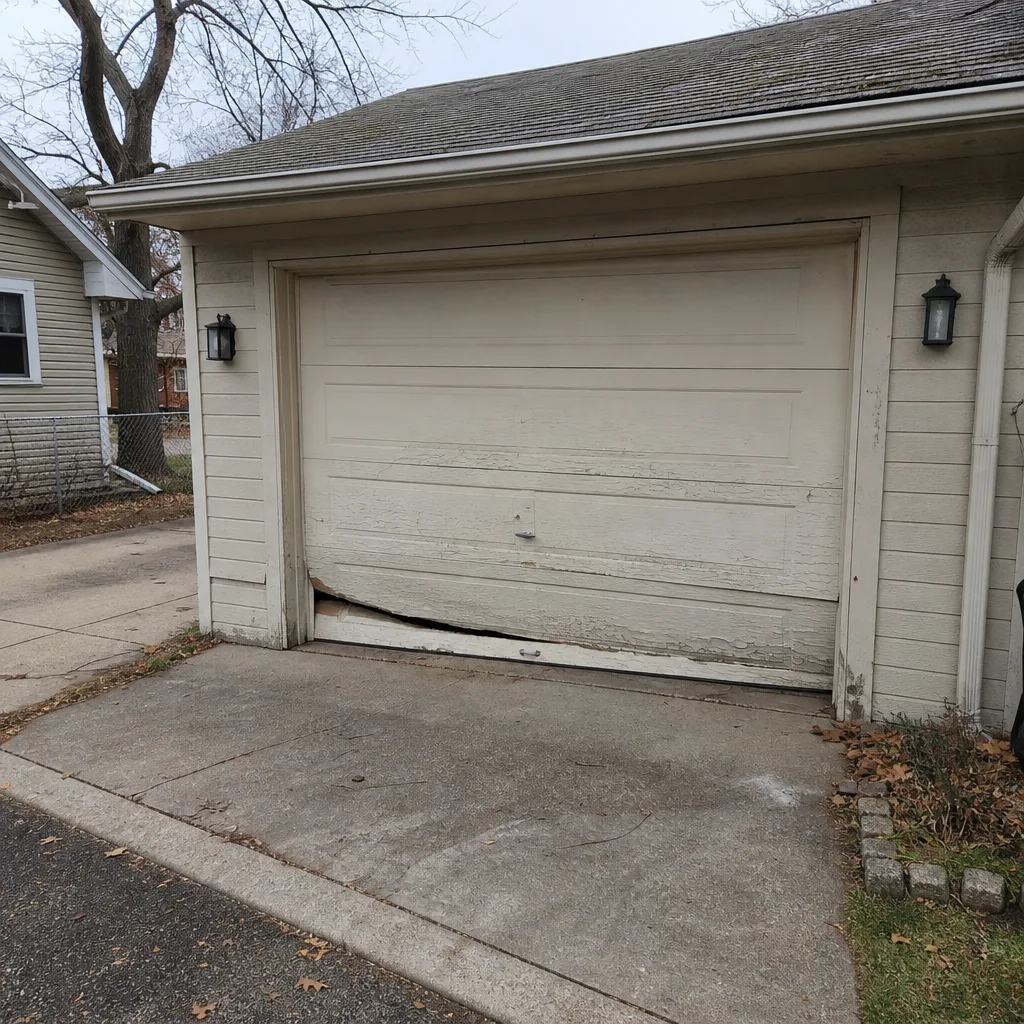 Before
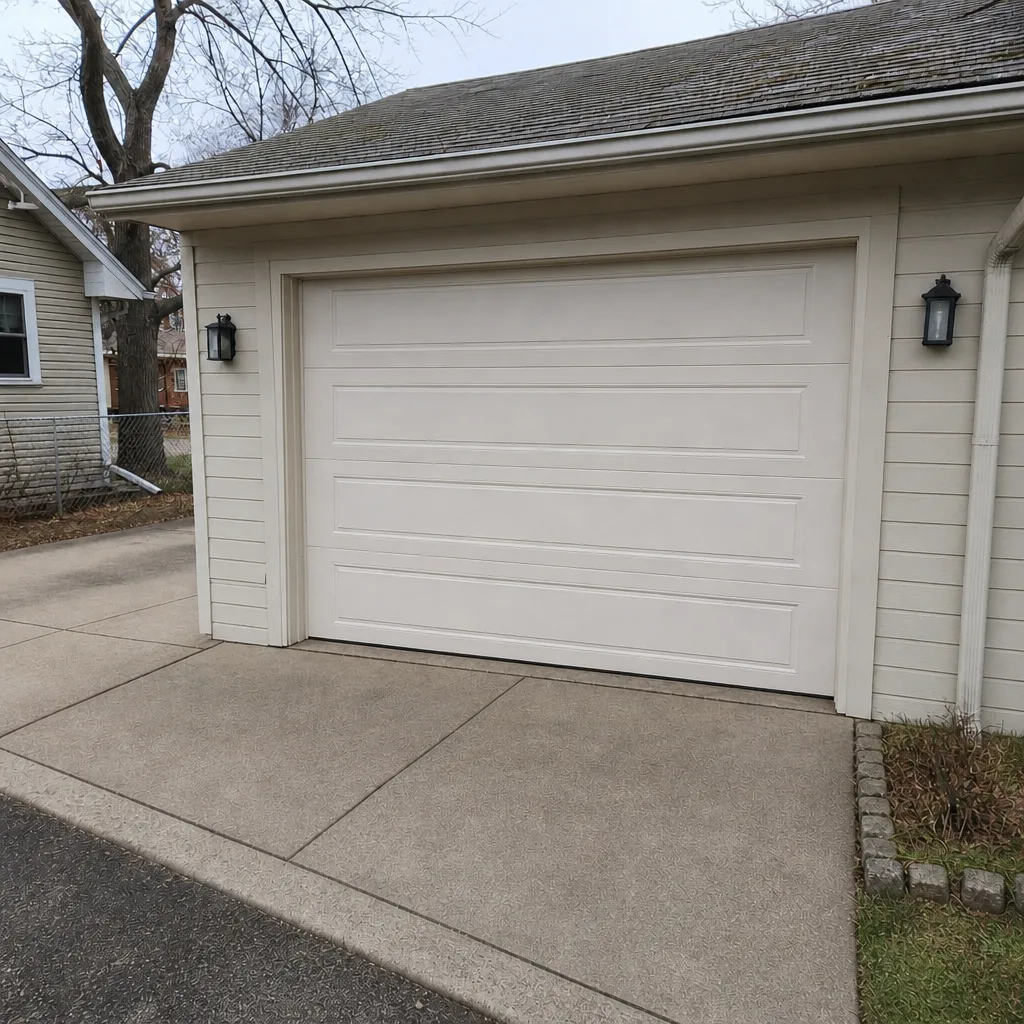 After
When to Call a Professional
Call a professional when your project crosses from replacement into anything that touches the structure, when a door has stopped moving and you’re not sure whether it’s the opener, the springs, or the tracks, or when a spring or cable breaks and the door is no longer safe to operate. We also hear from homeowners who want a contractor’s read before scheduling a city inspection, and that’s a good time for a call. Highland Park Garage Door Repair Pros offers free estimates in Highland Park – call (855) 710-4739 for a written price on the work. The price is quoted and agreed before any work starts, so you know where you stand before a technician touches the door.
Frequently Asked Questions
Usually no. Replacing a garage door with a new one of the same size in the same opening is treated as ordinary maintenance under Minnesota’s building code. You need a permit when the work changes the structure: widening or heightening the opening, altering a header, cutting a new opening, or converting a carport to an enclosed garage. Call (855) 710-4739 and we can help you sort out which side of the line your project sits on before you commit to a scope.
The line is the header. A straight replacement puts a same-size door back into a same-size framed opening, and no permit is needed. A permit job changes the framing around the opening – widening, raising, cutting a new opening, or resizing the header – or adds a wall where none existed. On Highland Park homes that second category is far less common than most people think, but it’s also the one that matters at resale. Call (855) 710-4739 for a free estimate on either kind of project.
You can, but it will usually come up during the buyer’s inspection. An inspector who sees a modified header or a widened opening will ask for documentation. Without a permit record the sale slows down, and the buyer usually asks for retroactive permitting or a price adjustment. Retroactive permitting in Saint Paul and Ramsey County typically requires opening the framing back up so the city can inspect it. It’s a lot simpler to get it right the first time. If you’re looking at an unpermitted project now, call (855) 710-4739 for an estimate on the fix.
Ask them directly and get the answer in writing before the work starts. Then check the city’s online permit lookup to confirm the record shows the contractor’s name and the scope. Ask for the passed inspection result when the job closes. A contractor who pulled the permit has no reason not to show you. Call (855) 710-4739 and we can walk you through what the record should look like.
They look at the structure, not the door. Header size and span, framing connections, wall bracing, how the door tracks are attached to framing, and garage-to-house separation all fall under their review. Springs, opener brand, and panel color aren’t typically inspection items. If you want a second read on the components behind the door before or after an inspection, call (855) 710-4739 for a free estimate.
Often yes, especially on historic and near-historic blocks. HOAs frequently restrict door style, material, color, and visibility from the street, and they run their own review timeline. That review is separate from the city permit. Do the HOA check first, then file with the city. If your approved style is from any of the eight major brands we work on – LiftMaster and Chamberlain openers, Clopay, Amarr, Wayne Dalton, Craftsman, Genie, or Raynor doors – we install to whatever the HOA has already approved. Call (855) 710-4739 for an estimate.
No. Permits are about structure, not weather. But Highland Park’s freeze-and-thaw cycle does mean the structural work has to handle local snow load, and the components behind the door need to survive temperature swings. We plan for that on every job in the neighborhood, whether it’s a spring replacement or a new opening. Call (855) 710-4739 if the door has started moving differently across the seasons.
The Bottom Line
Most garage door replacements in Highland Park don’t need a permit, and that’s the part that’s simple. The part that isn’t: any project touching the header, the framing, or the dimensions of the opening does need one, and skipping it tends to surface at resale as a delay, a price renegotiation, or a retroactive inspection that opens up finished work. Verify the contractor, check the HOA before the city, and keep the inspection close. Start with a call if you want a straight answer about where your project lands. We work on the full system – door, opener, springs, hardware – and we tell you what your project actually needs before any work starts.
Contact
Call (855) 710-4739 for a free estimate. We answer 24/7, with fast dispatch from 7am to 7pm, Sunday through Friday. Our technicians have up to 15 years of experience with the eight most widely installed garage door and opener brands, and every job is quoted and agreed before any work starts. If you’re in Highland Park and want a second read before the city inspection or before the door comes out, that’s the call to make.
Written by the team at Highland Park Garage Door Repair Pros.