
Last updated November 21, 2026
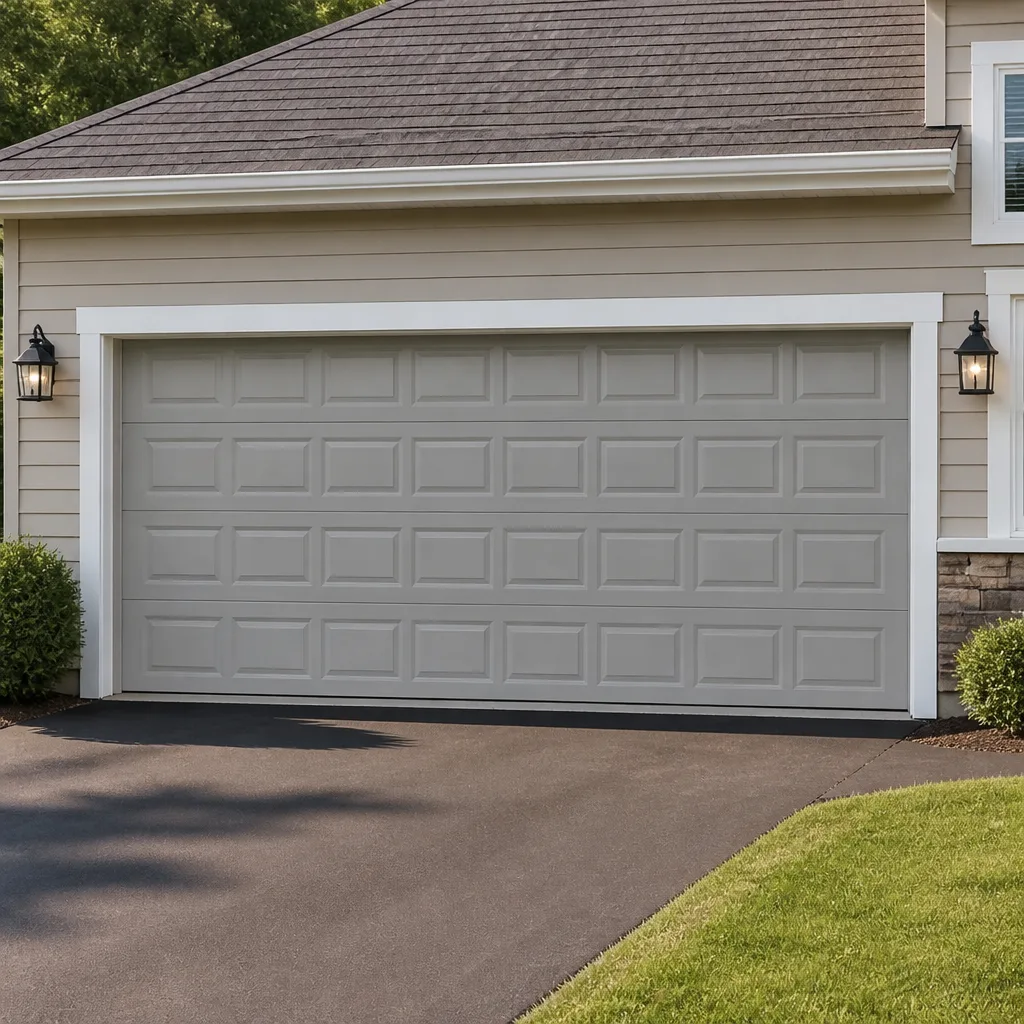 Raised-panel steel
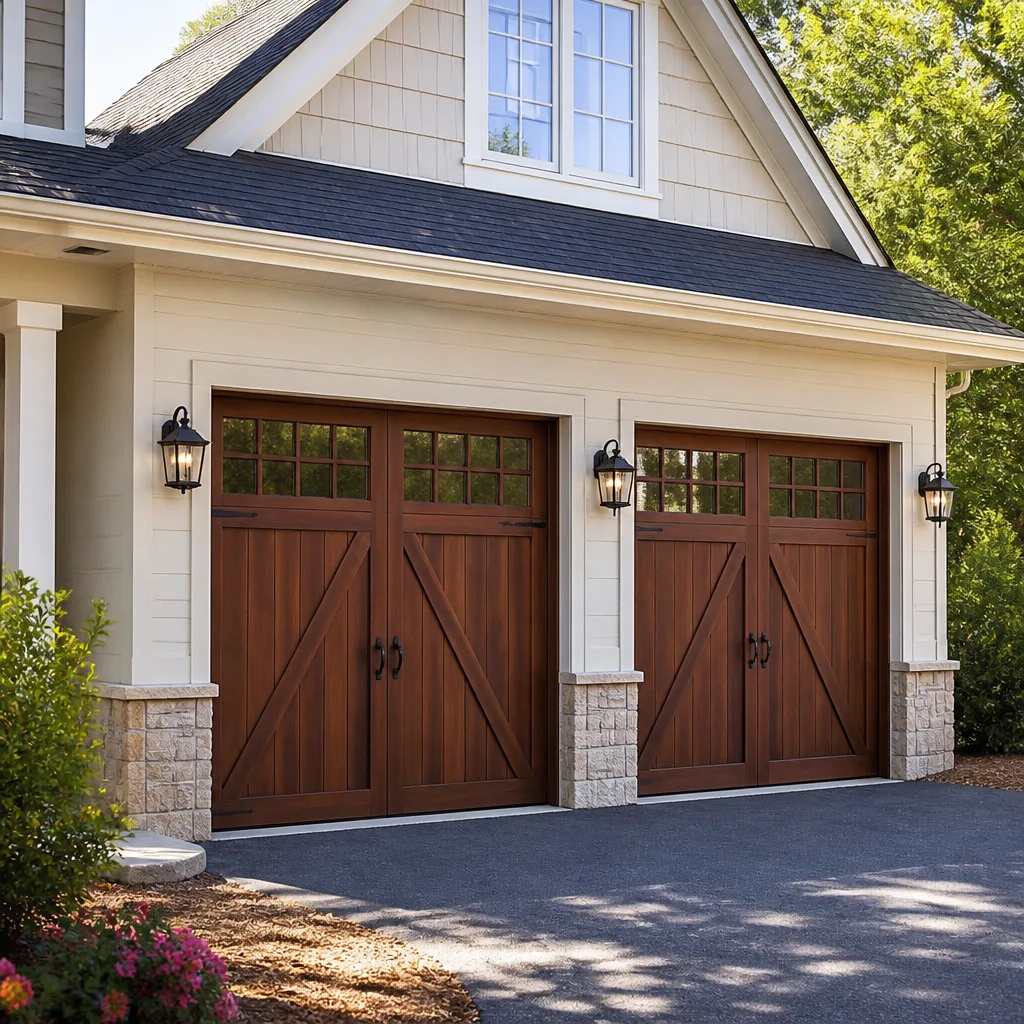 Carriage house
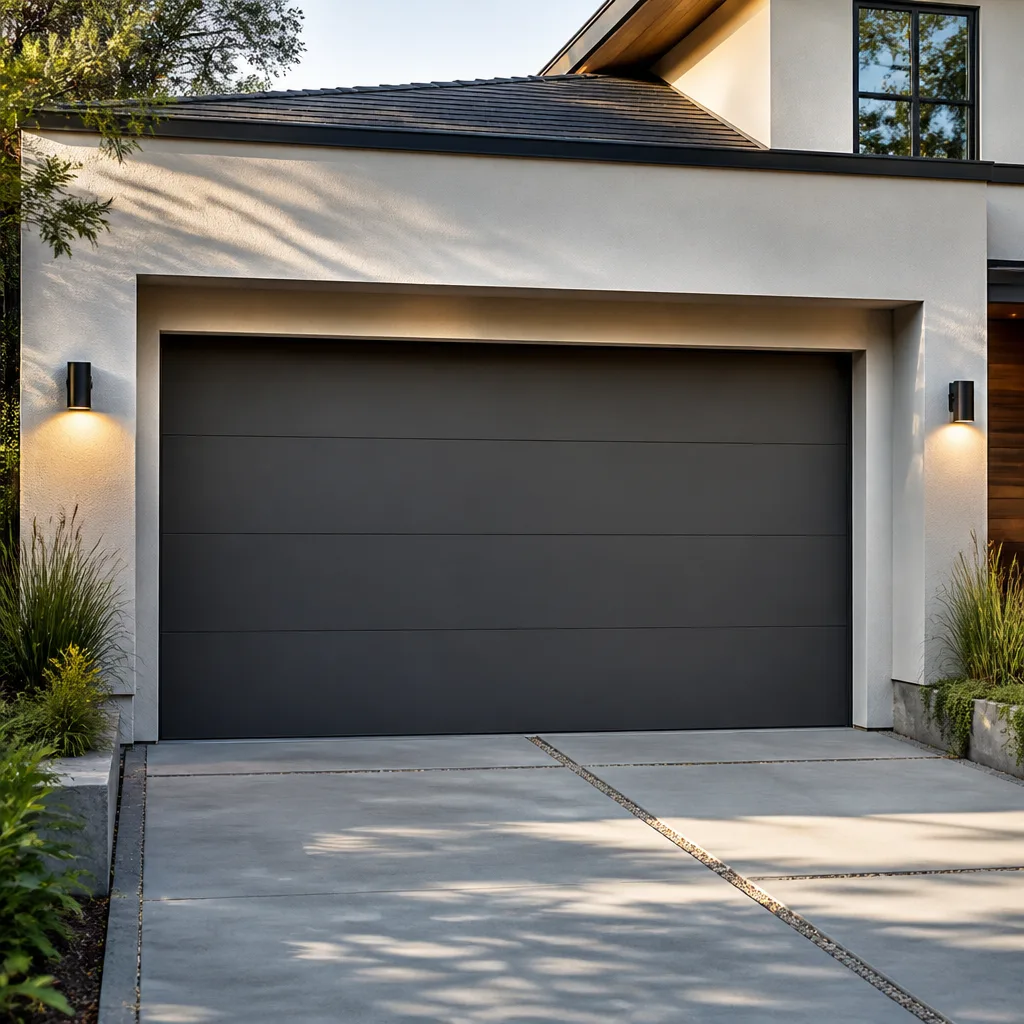 Modern flush
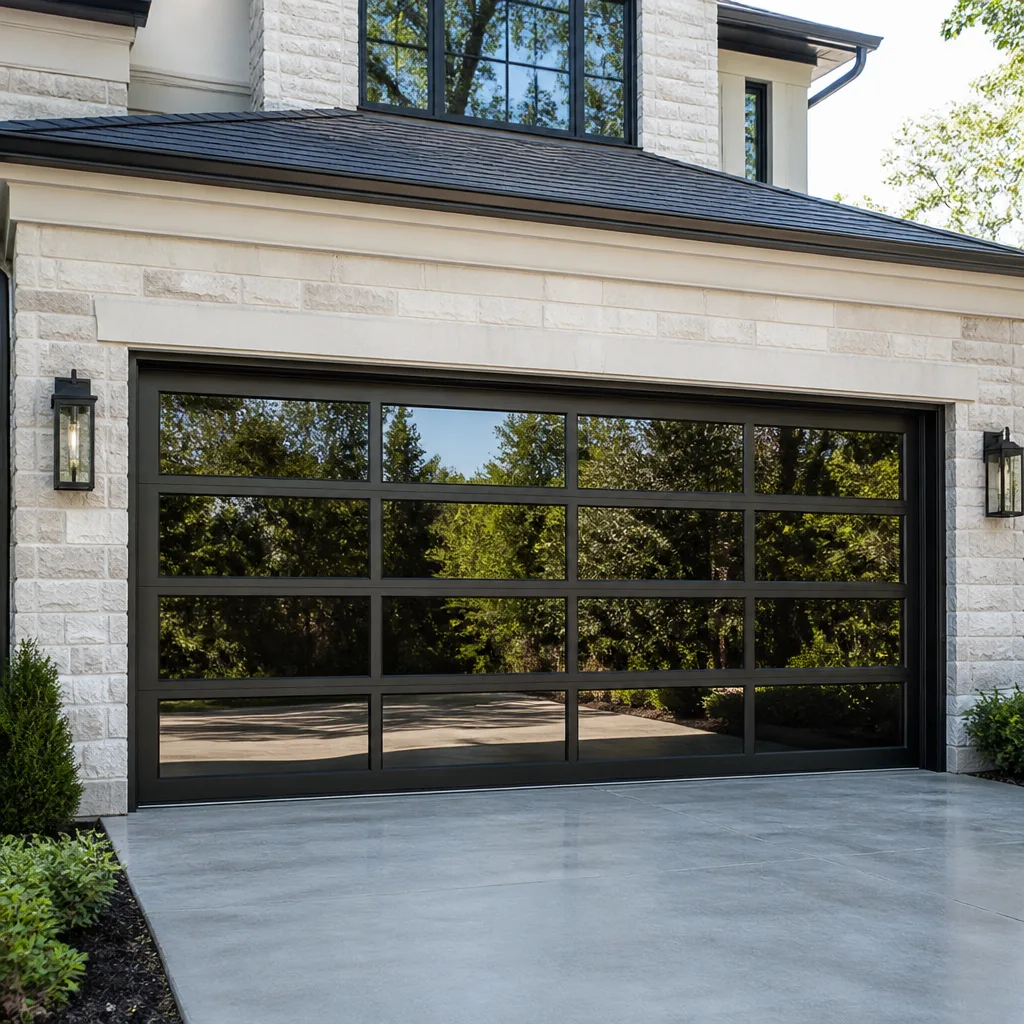 Full-view glass
 LiftMaster openers
 Chamberlain openers
Full 25-point door and opener safety check with every visit - springs, cables, rollers, tracks, and your LiftMaster or Chamberlain opener included
You get a price before we start. It does not change when the pro arrives.
Get your free estimateChoosing the Right Garage Door Brand: A Buyer’s Guide for Highland Park
Here’s something most garage door shopping guides won’t tell you: “Which brand is best?” is close to the wrong question. Clopay, Amarr, and Wayne Dalton all build doors at multiple quality tiers under the same brand name. A door with any of those logos on it can mean a basic builder-grade panel or a heavy insulated steel system, and the logo alone tells you almost nothing about which one you’re buying. In Highland Park, where winter temperature swings punish anything that was built to a price, the tier matters far more than the name. This guide walks you through how to compare doors by what’s actually in them – steel gauge, insulation, seals, hardware – and how to size a new door to the springs and opener you already own.
Quick Answer
There’s no single best garage door brand in Highland Park, MN – there are good and mediocre tiers within every major brand. Compare doors by component spec instead of name: steel gauge, insulation R-value, bottom seal type, and hardware quality. A well-specified mid-tier door from Clopay, Amarr, or Wayne Dalton will outperform a stripped-down premium-badge door every Minnesota winter.
Styles & brands we work with
- Raised-panel steel
- Carriage house
- Modern flush
- Full-view glass
- LiftMaster openers
- Chamberlain openers
Table of Contents
- Why Brand Names Tell You Less Than the Tier You’re Buying
- How to Compare Doors by Component Spec
- Which Brand Tiers Hold Up to Minnesota Winters
- Why a Brand-Agnostic Shop’s Recommendation Is More Trustworthy
- A Door That Looks Good at Install vs. One That Performs at Year Five
- Matching Door Weight to Your Existing Springs and Opener
- Openers: Where Brand Actually Matters More
- Repair First, Replace Only When It Makes Sense
Why Brand Names Tell You Less Than the Tier You’re Buying
The garage door industry is built around tiers, and the tier is where the real money lives. Clopay, Amarr, and Wayne Dalton each manufacture doors at multiple quality levels under one brand name. The same logo appears on a builder-grade panel and on a fully insulated steel system with heavier hardware. Manufacturers do this because builders and installers buy to a price point, and a familiar name on a stripped-down product still sells.
What that means for you in Highland Park is simple: when you’re shopping, the brand name is a starting point, not an answer. Two doors with the same nameplate can differ in ways that decide whether you’re replacing panels in a few years or enjoying a quiet, well-sealed door for many more.
Here’s the honest comparison most shoppers never get:
- Builder-grade tier: thinnest steel, no insulation or very low-value insulation, basic bottom seal, lighter hardware. Fine for a climate-controlled showroom. Less forgiving in a place that sees wide temperature swings.
- Mid tier: heavier steel gauge, decent insulation, better bottom seal, upgraded rollers and hinges. The sweet spot for most homeowners who use their door daily.
- Premium tier: thickest steel, high-R-value insulation, premium hardware, better seals, stronger finish. Worth it for attached garages, homes where the garage shares a wall with living space, or anyone who wants quiet operation.
The brand on the door is the manufacturer’s name, not a promise about the build. Ask what tier you’re being quoted on, and get it in the written estimate. If a seller can’t tell you the gauge, the R-value, or what kind of bottom seal is on the door, that’s the most useful information you’ll get.
How to Compare Doors by Component Spec
When you compare doors by spec instead of by logo, the differences show up fast. In our experience, a homeowner who knows five basic specs can see through most of the marketing and pick a door that’s actually right for their house. Here’s how to do it.
1. Steel gauge
Steel gauge is the thickness of the door’s outer skin. The lower the gauge number, the thicker and heavier the steel. Thicker steel resists dents, holds its shape through temperature swings, and stays quieter in operation. A builder-grade door will often have a noticeably thinner skin than a mid or premium tier door, even within the same brand.
2. Insulation R-value
R-value measures how well the door resists heat flow. An uninsulated single-layer door has essentially no R-value. Multi-layer doors with solid insulation are far better at keeping an attached garage closer to house temperature. If your garage shares a wall or ceiling with living space in Highland Park, insulation is not a luxury – it’s the difference between a cold room pushing into your home and a garage that stays temperate through a Minnesota winter.
3. Bottom seal type
The bottom seal is the strip of rubber or vinyl along the floor. It keeps rain, snowmelt, and cold air out. A basic hollow seal that crushes flat in the cold is a common weak point. A quality bottom seal with a solid profile sits up against a concrete floor better and holds up through freezing and thawing. Look at what’s actually on the door, not just what the brochure says.
4. Hardware quality
Rollers, hinges, and torsion hardware take all the movement. Cheap nylon rollers and light hinges wear faster and get noisy. Better hardware rolls smoother and lasts longer. This is one of the easiest places for a manufacturer to save money on a lower tier without anyone noticing at install.
5. Finish and warranty
Ask what the finish is engineered for and what the warranty actually covers – steel skin, paint finish, hardware, and springs are usually separate. Read what voids it. That tells you what the manufacturer expects to fail.
If you want to understand how a chosen door fits your current system before you buy, a garage door installation consultation with someone who works on all the major brands is the fastest way to get straight answers.
Which Brand Tiers Hold Up to Minnesota Winters
Highland Park winters treat garage doors harshly, and the risk isn’t just deep cold. It’s the swing. A door that sits at one temperature most of the year has an easy life. A door that gets warm in the afternoon sun, freezes at night, gets hit with snowmelt running down its face, and then cycles dozens of times a week is being worked hard, and every gap in its design shows.
The specific mechanics matter:
- Temperature swing stress: Steel expands and contracts with temperature. Thinner skins are more likely to oil-can, develop dents, or flex at the seams. Heavier gauge resists this.
- Winter road salt exposure: Salt from plowed streets gets tracked into garages and splashed on doors and floors. It’s corrosive to cheap hardware and lower-grade finishes. Higher tiers use better coatings and better hardware, and those age noticeably better here.
- Snowmelt and ice at the bottom seal: A weak bottom seal lets meltwater sneak in and freeze. That can lift the door slightly and put extra stress on the opener and springs on every cycle.
- Cold-weather opener strain: A heavy, uninsulated door puts more strain on the opener and springs. Insulated, correctly weighted doors run lighter.
The practical takeaway: in Highland Park, a mid or premium tier from Clopay, Amarr, or Wayne Dalton will generally outlast a builder-grade tier from the same brand by a meaningful margin. The difference isn’t the logo – it’s the gauge, the insulation, the seal, and the hardware. Buying the premium brand at its lowest tier is the classic mistake. Buying a mid tier with good specs is usually the smarter money.
And when hardware does wear, an experienced garage door repair visit is what keeps the door performing, regardless of which name is on it.
Why a Brand-Agnostic Shop’s Recommendation Is More Trustworthy
Think about incentives. A dealer who sells one brand line makes money when you buy that brand. A brand-agnostic shop makes money when the door fits the house and the repair works, and loses money when the recommendation was wrong. The recommendation you get from a brand-agnostic shop is structurally more trustworthy, because there’s no financial reason behind it to sell you one nameplate over another.
That model is the reason Highland Park Garage Door Repair Pros works across eight of the most widely installed garage door and opener brands – LiftMaster, Chamberlain, Genie, Clopay, Amarr, Wayne Dalton, Craftsman, and Raynor – rather than a single line. Our technicians diagnose the actual problem instead of defaulting to the brand that happens to be in stock. The same principle applies when you’re choosing a new door. If the advice you get is “this brand, always,” that’s a sales pitch. If the advice is “for your house, this tier, this gauge, this seal,” that’s a recommendation.
A brand-agnostic shop also sees how brands actually hold up in the field, not just how they test in a lab. When you work on LiftMaster, Chamberlain, Genie, Clopay, Amarr, Wayne Dalton, Craftsman, and Raynor every week, you learn which lines hold up through Highland Park’s cold snaps and which need more service calls. That’s the kind of ground truth you can’t get from a spec sheet.
Our technicians have up to 15 years of experience, which means they’ve worked on doors and openers across every tier and every one of these brands. That breadth is the point. A brand-neutral approach means you get a straight answer whether you’re keeping a door, repairing one, or replacing it.
A Door That Looks Good at Install vs. One That Performs at Year Five
Most garage door complaints show up years after the install, and the door always looked good on day one. The differences between a door that looks nice the day it goes up and one that’s still solid in year five usually come down to a handful of things:
- Seals that survive a couple of winters. A cheap bottom seal compresses and cracks; a good one stays flexible. By year five, one is leaking cold air and letting in snowmelt, and the other still seals against the floor.
- Springs and hardware sized correctly at the start. A door that’s heavier than its springs are rated for wears its springs out faster and strains the opener. Correct sizing is where long-term reliability starts.
- Finish that resists road salt. Salt tracked in through a Minnesota winter will pit cheap steel and lower-grade finishes. By year five, one door still looks new and the other is showing corrosion at the bottom and edges.
- Rollers and hinges that don’t rattle loose. Better hardware stays quiet and tight. Lighter hardware loosens, rattles, and starts to sag, which increases the load on the opener over time.
- Proper installation and balancing. A door installed and balanced correctly is a door that’s been given the best chance to last. An unbalanced door on good hardware still wears out.
This is why we tell Highland Park homeowners to pick a door by what’s under the paint, not by the badge on the front. A door sold as a brand at a lower tier is priced for the badge. A door sold at a solid spec tier is priced for the hardware, and you’ll notice the difference in year three and year five, not on the day it’s installed.
Matching Door Weight to Your Existing Springs and Opener
A new door doesn’t exist in a vacuum. It has to work with the springs and opener you have, or those need to change with it. This is where a lot of replacement decisions get made badly, usually by sellers who want to upsell a whole new opener when the right move is matching the door to the system instead.
Here’s how the pieces relate:
- Springs are rated for door weight. Torsion or extension springs are sized to the specific weight of the door they lift. Change the weight, and the springs need to change with it. If the new door is heavier than the old one, you can’t keep the springs as-is, and no honest installer will tell you that you can.
- Openers are rated for a range. A garage door opener’s lifting capacity and torque are matched to a range of door weights. A heavier, insulated door may be within the range of your current opener, or it may not. Check the spec, don’t guess.
- Balance is the goal. A correctly balanced door needs very little force to lift, and that’s what keeps springs and opener both happy. Lighter doors can sometimes go onto an existing opener with the right springs; heavier doors may push your opener to or past its limit.
- Repair first, replace only when it makes sense. If your current door is solid and only the springs or opener are worn, the right answer is often repair, not a new door and opener.
So before you buy, match the door’s weight and construction to the springs and opener you already have. If the door you’ve picked is heavier, you may need new springs, and you may or may not also need a new opener. That’s a sizing question, not a sales question. Ask for it to be explained and put into the estimate.
Springs are also one of the genuinely dangerous parts of this trade. They’re under high tension, and a spring or cable that lets go can cause serious injury. Adjusting or replacing them is a job for a trained professional, not a weekend project. We treat spring work as a core service, not an upsell, because a door is only as safe as its springs. If your opener is the part that’s failing, our garage door opener repair service addresses the electronics and hardware without touching the springs unnecessarily.
Openers: Where Brand Actually Matters More
Door brands are mostly tier stories. Openers are a little more brand-specific, because each line uses its own electronics, remotes, and accessories. Still, the tier question applies here too – every major opener brand has entry, mid, and premium lines.
What matters for matching an opener to a door:
- Lift capacity. Check the opener’s rated door weight against the door you’re choosing.
- Drive type. Belt, chain, or screw drives differ in noise and strength. A belt drive is quieter, which matters if the garage is under or beside a bedroom.
- Smart features. App control and app-based diagnostics are convenient but a tier decision, not a brand one.
- Parts and service depth. Some brands are easier to source parts for. LiftMaster, Chamberlain, and Genie are common lines, so parts and service knowledge are generally available. That’s the practical advantage of a widely installed brand.
- Brand-agnostic diagnosis. If your opener is failing, the first question is what’s actually wrong, not which brand is best. A technician who works across LiftMaster, Chamberlain, Genie, and other lines can tell you whether it’s the opener, the door, or the springs.
If you’re pairing a new door with an old opener, the sizing question comes first. A door that’s well matched to the opener is a door that runs smooth for years. One that isn’t gets expensive fast.
Repair First, Replace Only When It Makes Sense
The most useful question before you buy might be whether you need to buy at all. Some doors simply need repair, not replacement, and a brand-agnostic shop is in a position to say so.
Here’s a simple way to think about it:
- Is the door structurally sound? If panels are intact and the frame is solid, you may be looking at springs, hardware, or opener work rather than a new door.
- What’s actually failing? A door that won’t open could be a spring, a cable, the opener, or a dead fuse in a remote. Diagnose before you replace anything.
- Is it a safety issue? Springs and cables under tension deserve a professional look. A door off its track needs to be handled with care.
- Is this a case for a new door? A door that’s been damaged, is showing structural wear, or is at the wrong tier for the house is a fair candidate for replacement.
The honest answer is: repair first, replace only when it makes sense. That’s why we keep spring repair and opener repair as core services, not stepping stones to a sale. When it does make sense to replace, an experienced garage door installation starts with matching the new door to your existing hardware rather than selling you a whole new system you don’t need.
Common Mistakes to Avoid
- Buying the brand, not the tier. Two doors with the same name can be built to very different specs. Always ask which tier you’re being quoted on and what’s inside it.
- Skipping the insulation question. An uninsulated door on an attached garage is a cold spot every Highland Park winter. If your garage shares a wall with living space, insulation isn’t optional.
- Keeping old springs with a heavier new door. A door and its springs are matched. A heavier door without a spring upgrade will wear out fast, and it’s a safety concern too.
- Taking a single-brand dealer’s advice at face value. If the recommendation is always the same brand, you’re hearing a sales pitch, not a diagnosis.
- Comparing only the door’s face. The bottom seal, hardware, and springs are part of the price you’ll be living with. Those are where the real differences are.
- Replacing a door when a repair would do. A door that needs a spring or opener service doesn’t need a new panel. Ask for a diagnosis first.
- Ignoring the installer’s sizing. A door installed out of balance is a door that fails early, no matter which brand is on it.
See the difference
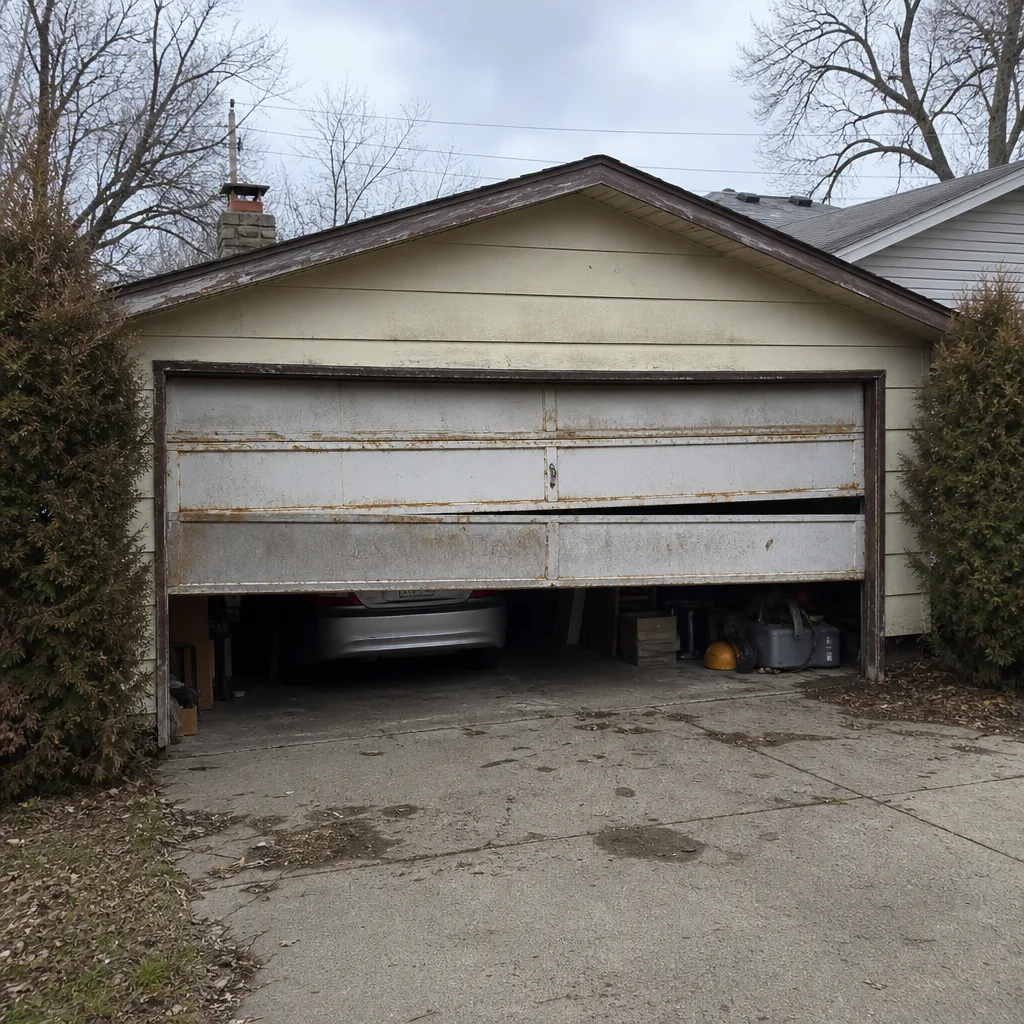 Before
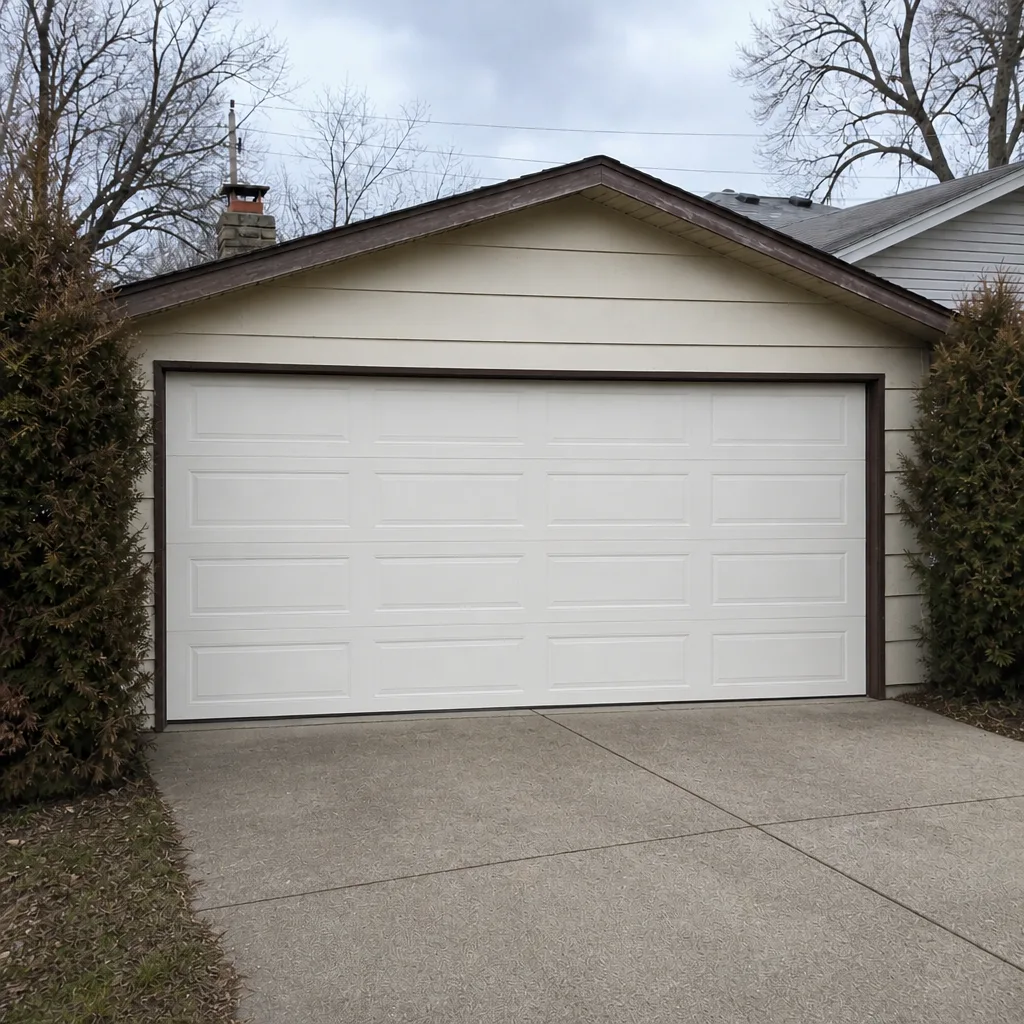 After
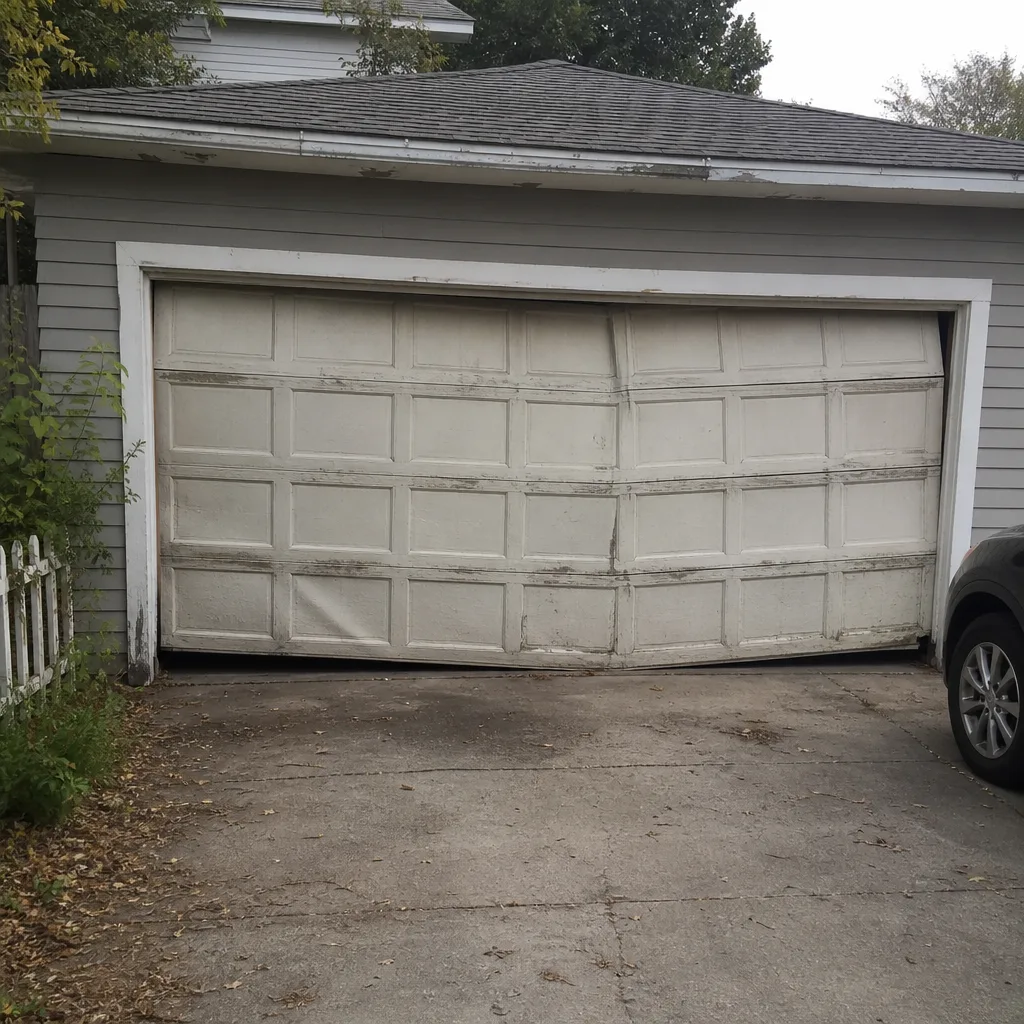 Before
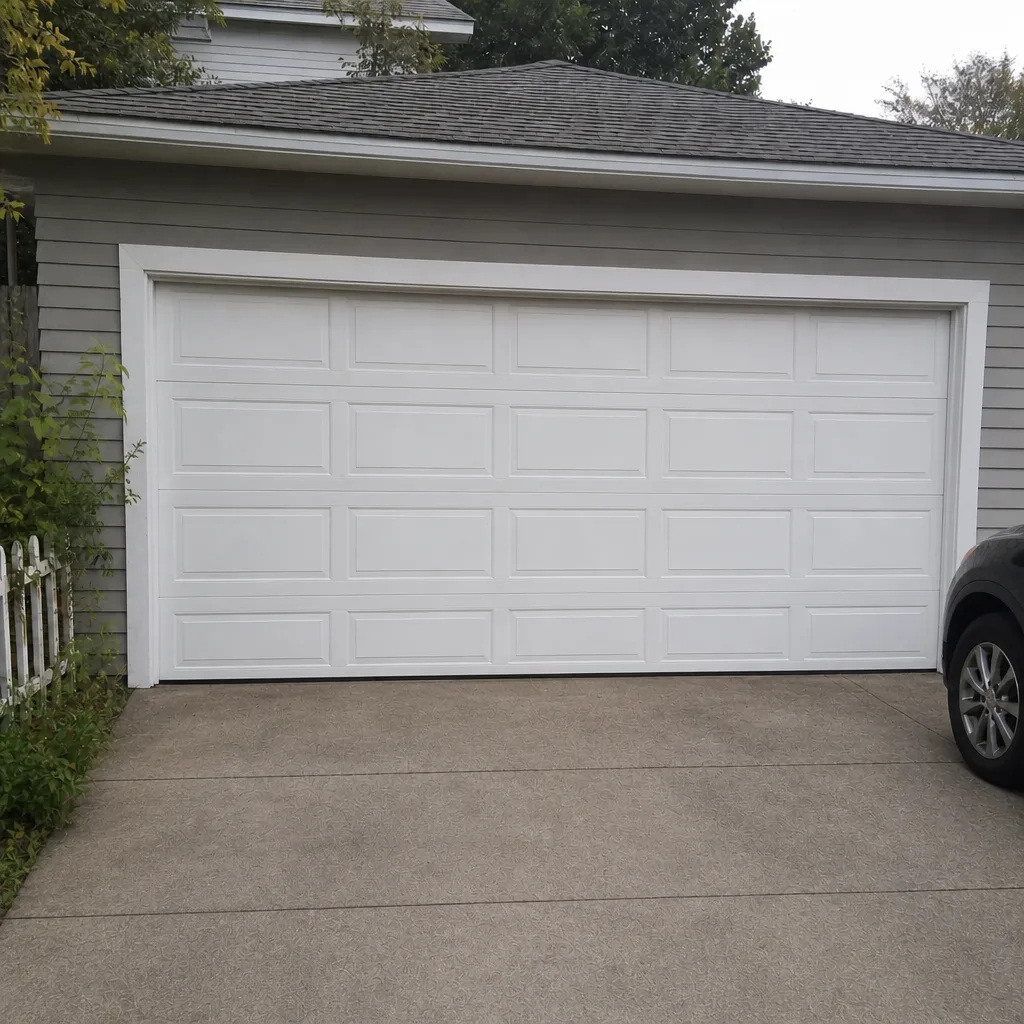 After
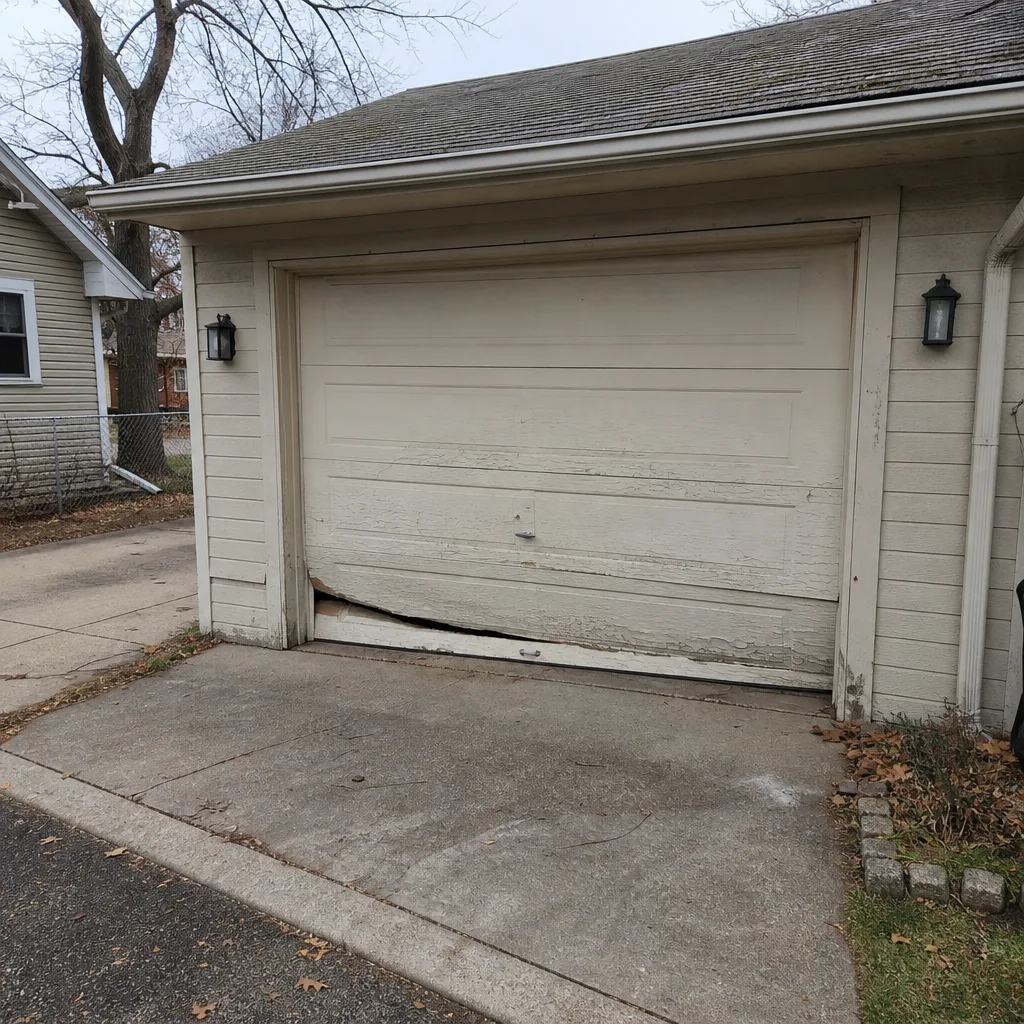 Before
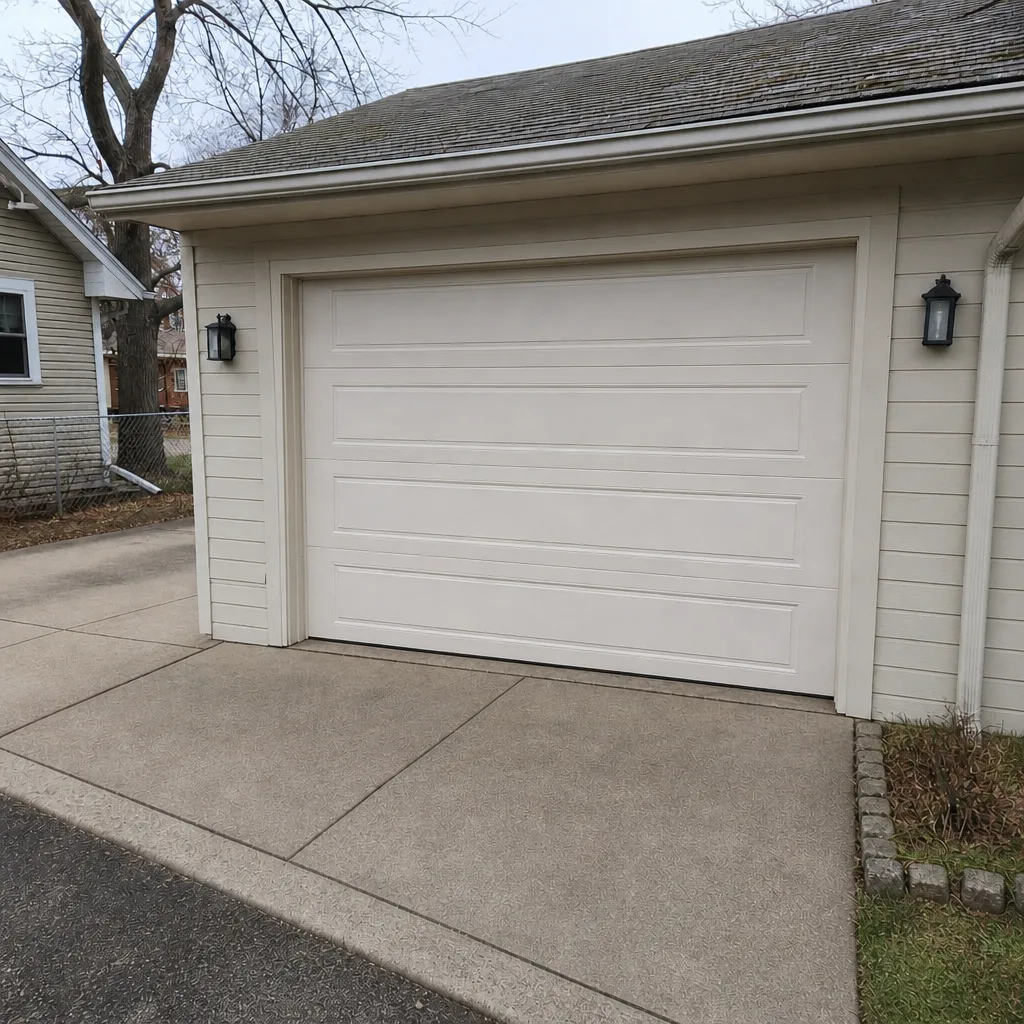 After
When to Call a Professional
Some garage door problems are worth a call rather than a DIY attempt: a door that won’t open or close, a broken spring, a door off its track on one side, a door that reverses unexpectedly, or an opener that’s stopped responding. Springs and cables are under high tension and can cause serious injury if they let go. The same goes for wiring and opener electronics. A trained technician works safely, diagnoses the actual fault across every major brand, and tells you whether repair makes sense before replacement does. Highland Park Garage Door Repair Pros offers free estimates in Highland Park – call (855) 710-4739. We answer 24/7. Fast dispatch from 7am to 7pm, Sunday through Friday. Same-day service is available for repair work, and every price is quoted and agreed before any work starts. Our technicians have up to 15 years of experience.
Frequently Asked Questions
There’s no single best garage door brand – the right door is the best tier for your house and budget. Compare Clopay, Amarr, and Wayne Dalton at the same tier by steel gauge, insulation R-value, bottom seal, and hardware, not by nameplate alone. A well-specified mid-tier door from any of them will serve Highland Park winters better than a stripped-down premium-badge door. Call (855) 710-4739 for a free estimate and a straight answer about which tier fits your home.
Yes, if your garage shares a wall or ceiling with living space. An insulated door resists temperature swings, keeps the garage more temperate, and handles Highland Park’s freeze-thaw cycles better than an uninsulated panel. The R-value tells you how well it insulates. Ask for the R-value in the written estimate so you can compare options on the same basis. We’ll walk you through the numbers before you commit – call (855) 710-4739.
Ignore the logo and read the spec. Ask which tier the door is from, the steel gauge, the insulation R-value, the bottom seal type, and the hardware. A brand that builds multiple tiers may sell a good door and a cheap one under the same name. The spec sheet tells you what you’re getting; the name doesn’t. A brand-agnostic shop in Highland Park can compare options for you without steering you toward one label – free estimates, call (855) 710-4739.
It depends on the door’s weight compared to your current door. Springs are matched to door weight, so a heavier new door usually needs new springs. Your opener may or may not need replacing depending on its rated lifting capacity. A door that’s well matched to the right springs and an adequate opener runs smoothly; one that isn’t wears out early. We size the door to your system and quote it in writing before any work starts. Call (855) 710-4739.
We work on eight of the most widely installed brands: LiftMaster, Chamberlain, Genie, Clopay, Amarr, Wayne Dalton, Craftsman, and Raynor. That includes repair, opener repair, spring repair, and new installation. If your brand is on that list, we can diagnose and service it. If you’re not sure what brand you have, call (855) 710-4739 and we’ll help you identify it and schedule a free estimate.
Start with a diagnosis. If the door itself is structurally sound and the trouble is springs, hardware, or the opener, repair is usually the better call. Replacement makes sense when the door is damaged, worn out, or at the wrong tier for the house. We don’t sell one brand, so the recommendation is about what the door needs, not what we want to sell you. Free estimates in Highland Park – call (855) 710-4739.
The Bottom Line
Brand loyalty in garage doors is mostly marketing. The real differences are in the tier – steel gauge, insulation R-value, bottom seal, hardware, and finish – and those are what decide how a door performs through Highland Park winters and the salt and snowmelt they bring. Compare doors by spec, match the new door’s weight to your springs and opener, and get a recommendation from a shop with no brand to sell. Repair first, replace only when it makes sense, and get the price in writing before anything starts. If you’re weighing your options, a free estimate is the easiest place to begin.
Contact
Ready to compare doors or sort out a repair? Call Highland Park Garage Door Repair Pros at (855) 710-4739 for a free estimate. We answer 24/7. Fast dispatch from 7am to 7pm, Sunday through Friday. We work on LiftMaster, Chamberlain, Genie, Clopay, Amarr, Wayne Dalton, Craftsman, and Raynor equipment, and every price is quoted and agreed before any work starts. Whether you’re choosing a new door for your Highland Park home or getting your current one back in working order, start with Highland Park Garage Door Repair Pros.
Written by the team at Highland Park Garage Door Repair Pros.