
Last updated November 21, 2026
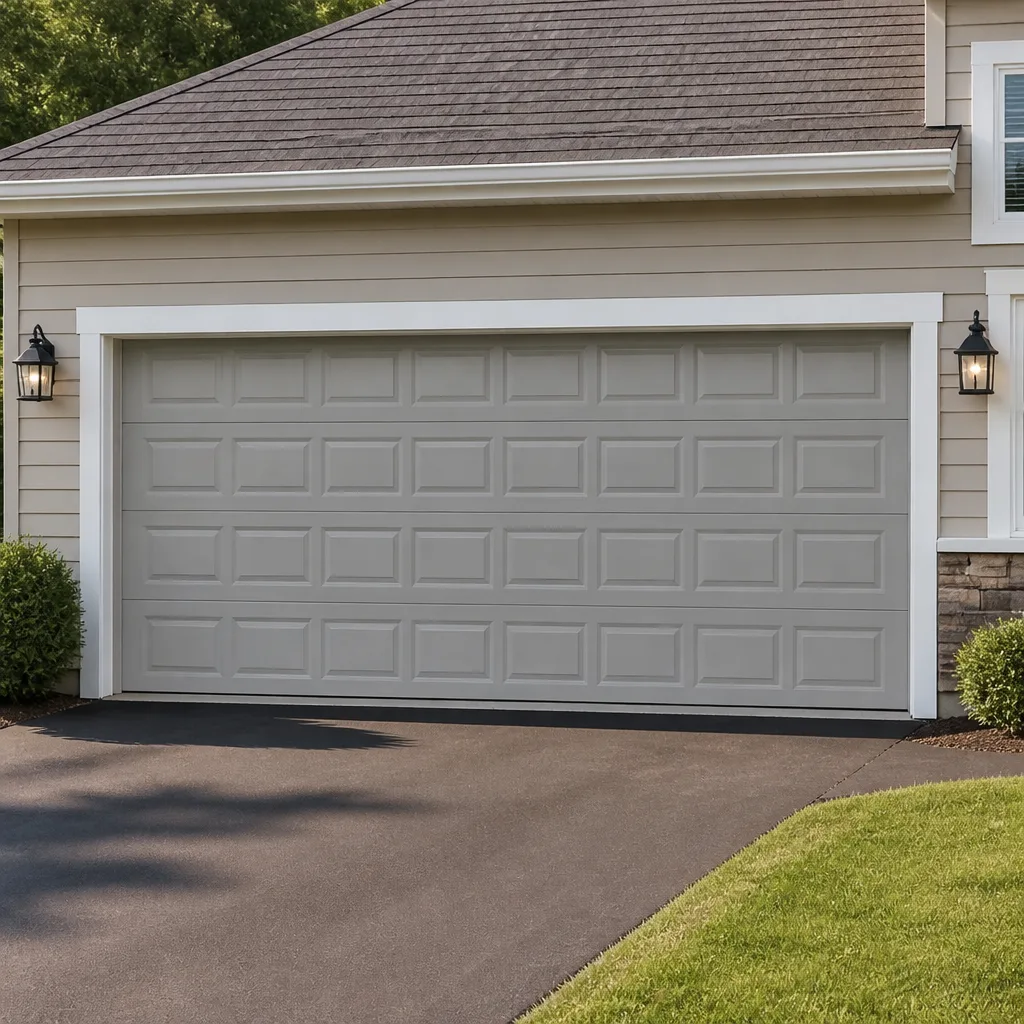 Raised-panel steel
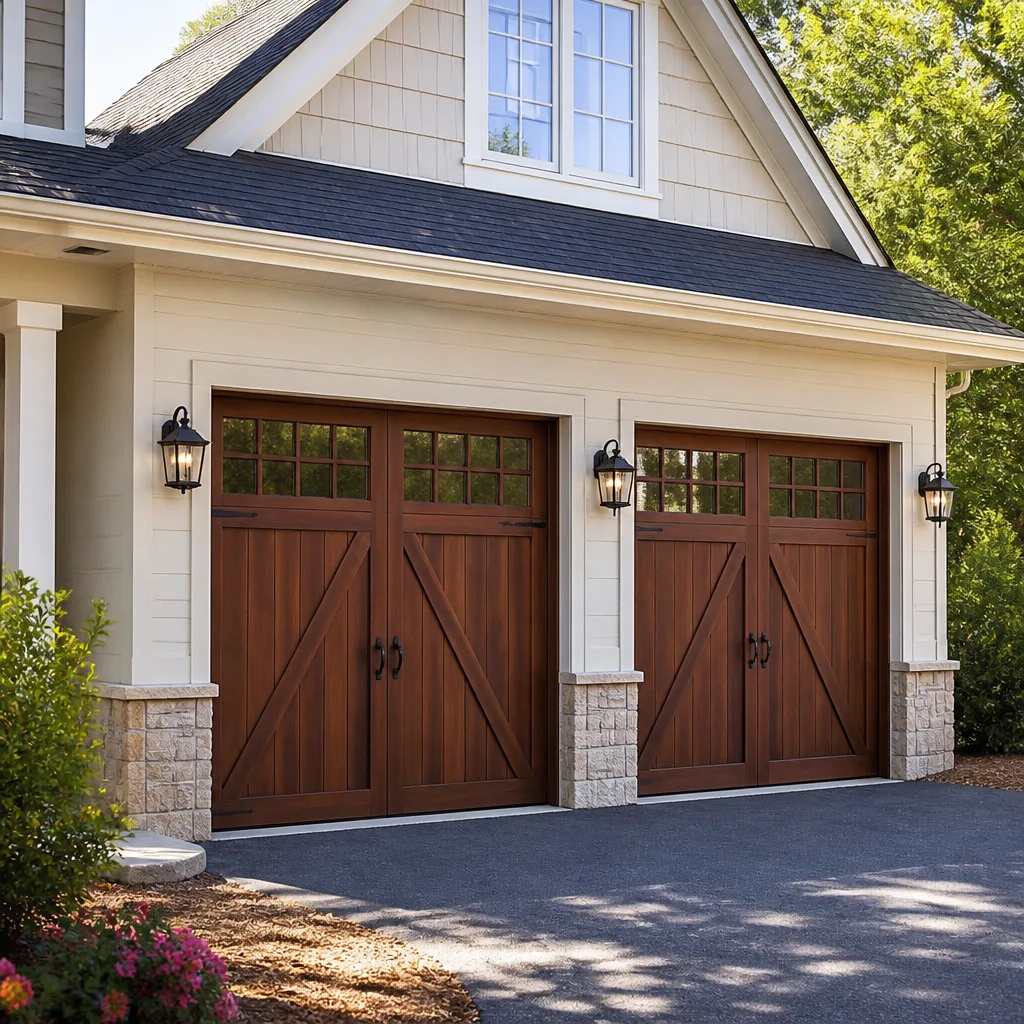 Carriage house
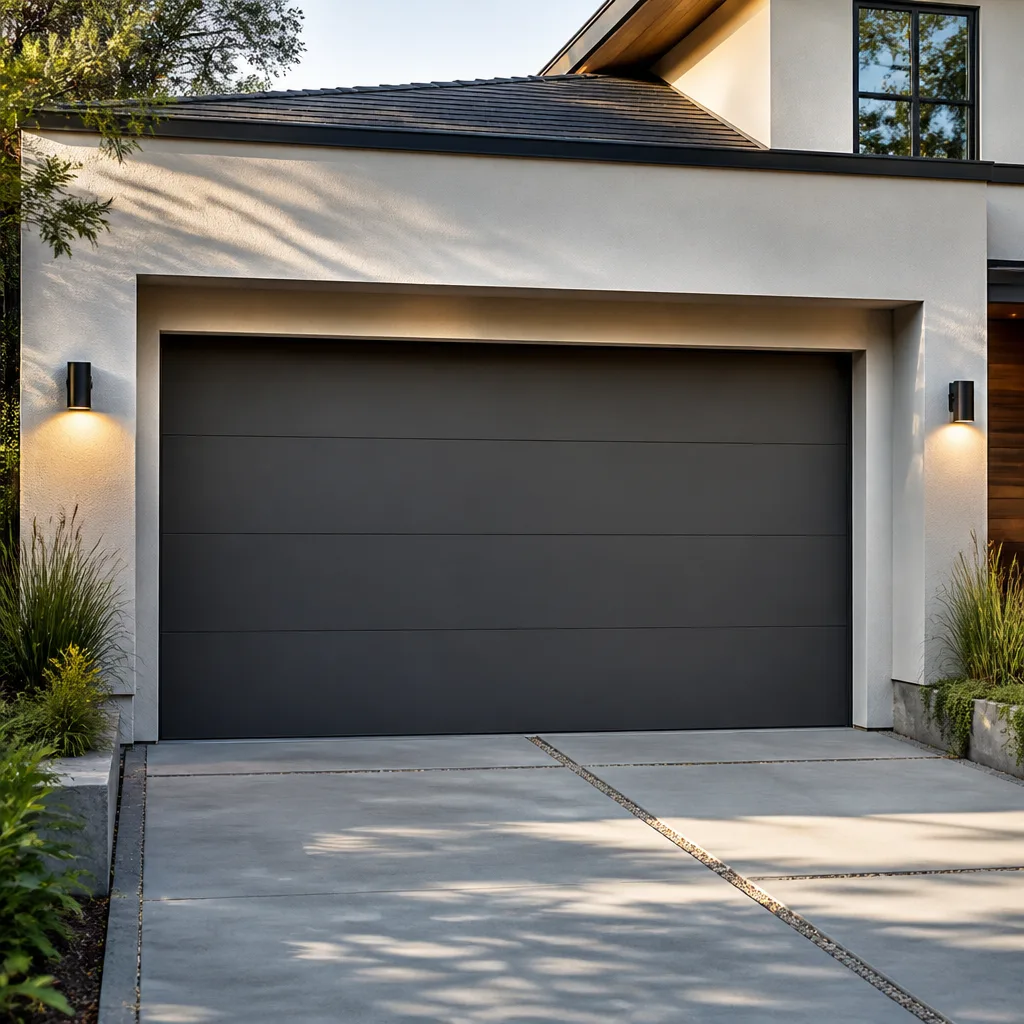 Modern flush
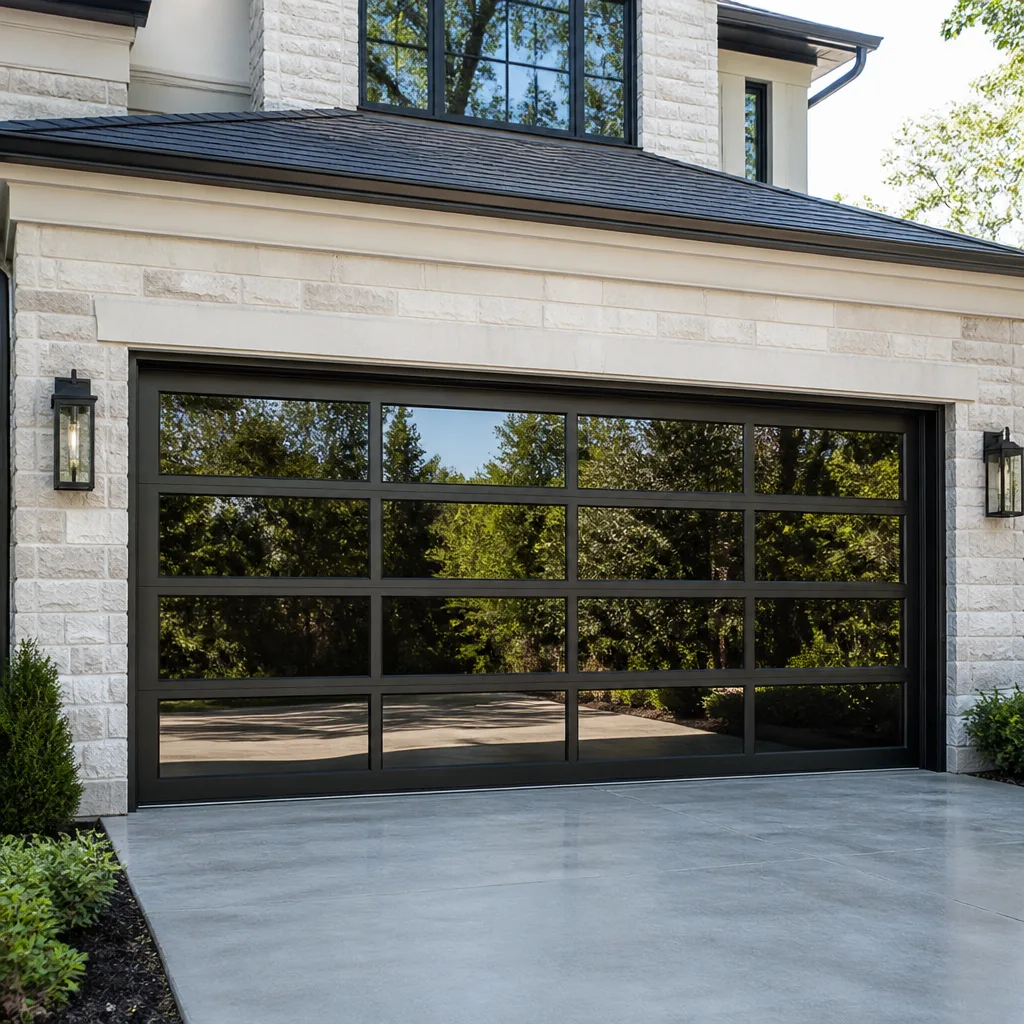 Full-view glass
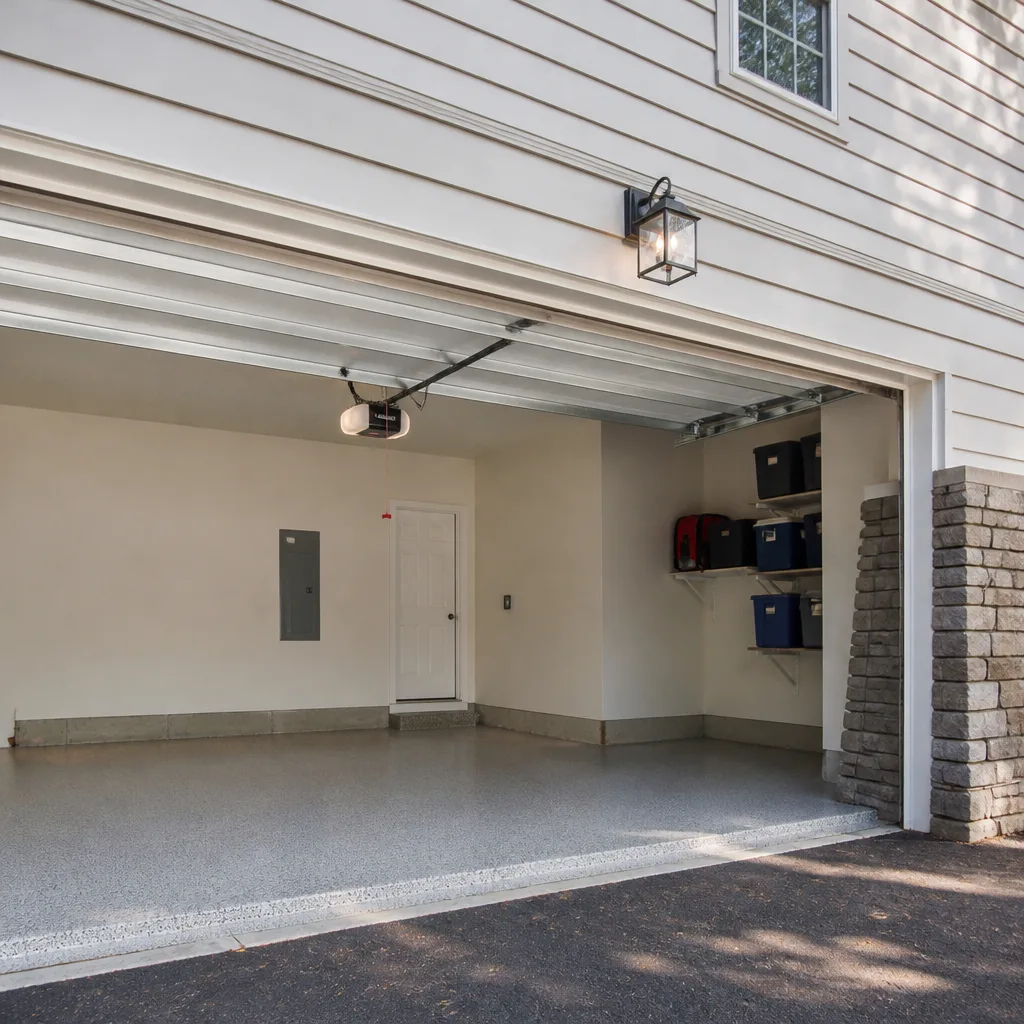 LiftMaster openers
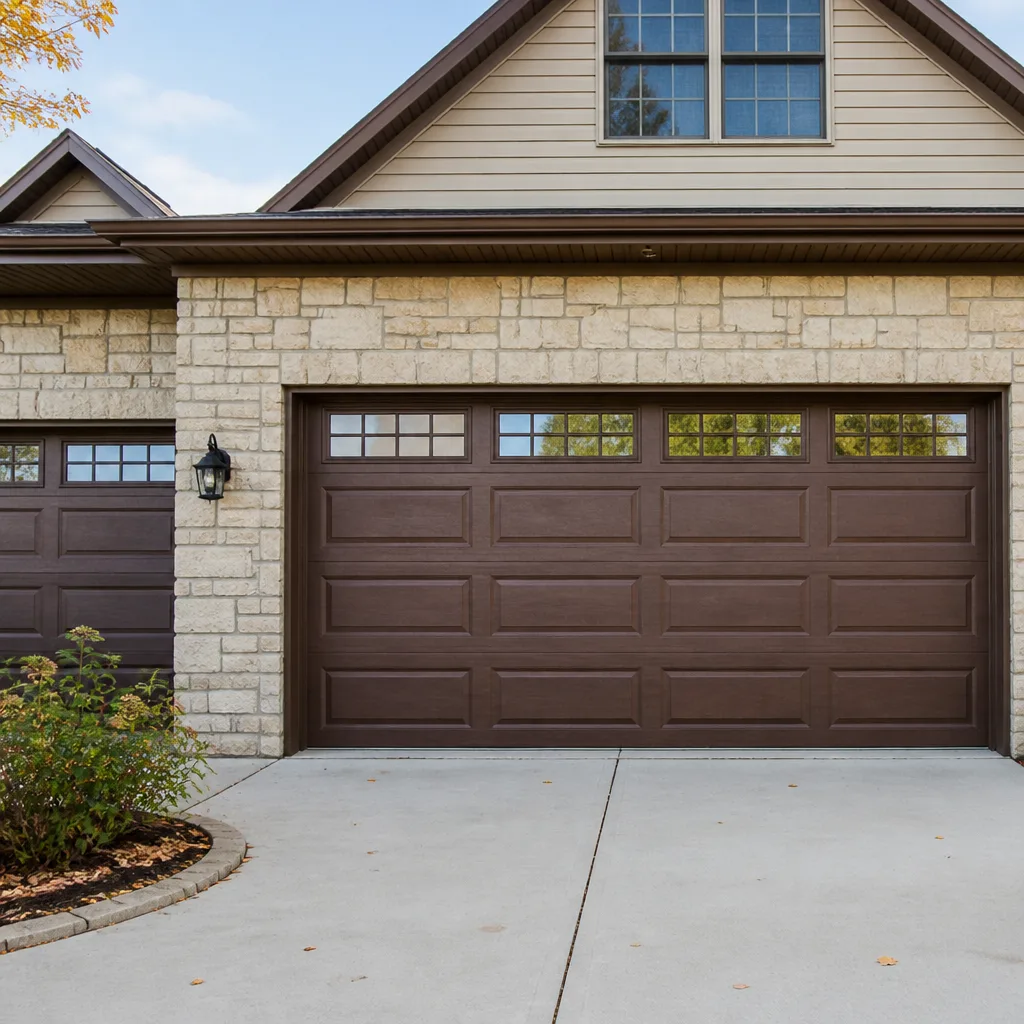 Chamberlain openers
Full 25-point door and opener safety check with every visit - springs, cables, rollers, tracks, and your LiftMaster or Chamberlain opener included
You get a price before we start. It does not change when the pro arrives.
Get your free estimateGarage Door Emergency Preparedness Guide for Highland Park Homes
Most garage door emergencies are won or lost before anything breaks. The spring snaps, the opener grinds, or the power drops, and the homeowner either has a plan and a released door in ninety seconds, or spends the next hour stuck in the driveway. Here’s the counterintuitive part: the single biggest factor in how a Highland Park breakdown turns out isn’t the failure itself. It’s whether the manual release has been tested since the door was installed. This guide covers how to release a door by hand, how to contain a door with a snapped spring so it doesn’t fall, what to do after a vehicle strike, what to tell a technician when you call, and the prep list almost nobody does. Thirty minutes of work now saves a very bad morning later.
Quick Answer
Garage door emergencies in Highland Park fall into a handful of predictable categories: opener failure, spring failure, panel or track damage, a door that won’t close, and lockouts caused by power loss. Most can be safely contained by hand-releasing the door, securing it in the closed position, and calling for repair. A trained technician is required for anything involving torsion springs, cables, or a door that has been hit by a vehicle.
Styles & brands we work with
- Raised-panel steel
- Carriage house
- Modern flush
- Full-view glass
- LiftMaster openers
- Chamberlain openers
Table of Contents
- How the Manual Release Actually Works
- What to Do When a Spring Breaks
- If a Vehicle Hits the Door: Assess Before You Operate
- What to Tell a Technician on the Phone
- The Pre-Emergency Prep Checklist
- Power Outages, Remotes, and Lockouts
- What Highland Park Homes Face That Others Don’t
- Know Your Brand Before You Need To
How the Manual Release Actually Works
The manual release on a residential opener is a pull cord, usually red, hanging from the carriage on the opener rail. Pull it and the carriage disconnects from the drive chain or belt so the door moves by hand. That’s the simple part. The details most manuals bury are the ones that matter during an actual outage.
First, only pull the release with the door fully closed. If the door is open and the spring tension has failed or is compromised, releasing it can let the door drop fast. That’s a genuine injury risk, not a caution. Second, the release dangles from the carriage or from the trolley depending on the opener, and on Chamberlain and Genie models the mechanism differs slightly. Look at the cord once with the door closed, in daylight, before you ever need it. Third, once released, the door has no opener assist, meaning it’s heavy. Lift from the bottom center with a firm grip under the bottom section.
Re-engaging is the part that sends people back out to the garage at 11pm. Follow this:
- Close the door by hand and let the opener carriage meet the trolley.
- Don’t force it. Run the opener once with the door closed. The carriage should ride back to re-engage with the trolley.
- If it doesn’t catch, cycle the opener again once. Never stand in the door path while the opener runs.
- Test the safety reverse with a light object under the door before trusting it again.
If your opener has a wall-mounted release lever (many newer units do) rather than a pull cord, follow the same logic regardless of brand. The principle is universal: never release an open door with a compromised spring. Our technicians have up to 15 years of experience and have seen this go wrong enough times to make it the first thing we check.
What to Do When a Spring Breaks
A torsion spring snapping is loud and instantly changes the way your door feels. It becomes too heavy to lift. It may not fully close, or it may sag to one side. The door’s weight is now supported by one spring instead of two, and the cables are carrying far more load than they were designed for. Never attempt to lift the door by hand in this condition and never try to adjust, remove, or replace a spring yourself. Torsion springs on a residential door are under high tension and can cause serious injury when they release unexpectedly. This is a trained-professional job, always.
What you can safely do is secure the door:
- Keep the door fully closed. A closed door is far safer than an open one on a broken spring.
- Disconnect the opener by releasing the carriage. This stops the opener from forcing the door against dead weight.
- If the door is fully closed and stays closed under its own weight, you’ve done enough until a technician arrives.
- If the door will not stay closed, do not try to rig it with tape or props. Call for emergency service.
While you wait, keep vehicles in or out of the garage based on where they already are. Don’t reposition a car through a door on a broken spring. The next person to back a car out of a Highland Park garage in an ice storm is not the moment to stress a compromised system.
Spring repair is one of the more dangerous jobs in the trade, and we treat it as a core service rather than an upsell. If you’re not sure which spring type you have, that’s fine. Tell us the model or just describe it, and we’ll sort it. Our garage door repair team handles spring replacement regularly.
If a Vehicle Hits the Door: Assess Before You Operate
A car backing into a garage door bends the bottom section, distorts the track, or knocks the roller out of the track. What looks like cosmetic damage from inside the car can be structural at the door. Before you touch the opener or push the door, assess.
- Turn off the opener at the wall control or the breaker. Do not run the door to “see if it still works.”
- Look at both vertical tracks from inside. If either is bent, the door will not travel straight, and forcing it will do more damage.
- Check the bottom section and hinges. If a hinge is pulled out of the panel, the roller is no longer in the track properly.
- Look at the cables on both sides. A cable that has jumped a drum or gone slack is a hazard. Do not touch it.
- If the door is closed and the tracks look straight, you may be able to lift the door by hand a few inches to check for binding. If it binds, stop.
Do not attempt to bend the door back into shape with your hands or a pry bar. Garage door panels are stamped steel, and bending them back rarely restores the door to a safe operating shape. A technician needs to assess the tracks, panels, hinges, and cables before the door runs again. A door that’s operated after a vehicle strike will often fall off a track on the next cycle. The safe call is to leave the door where it is and have it evaluated.
What to Tell a Technician on the Phone
Call triage goes faster when the homeowner has five facts ready. We can tell you far more accurately what to expect if you can answer these:
- What brand and model is the opener? Look at the opener head or the wall control. Most homeowners can read this in thirty seconds.
- What is the door doing, exactly? Will not open? Will not close? Opens a foot and stops? Opens fine but reverses? Each symptom points at a different problem.
- What is the door doing by hand? Disconnect the opener first. Does the door lift easily, with some effort, or not at all? This is the single biggest diagnostic fact.
- What happened just before it failed? Power out? Loud noise from the spring? Car hit? Opener just stopped? A door that failed after a power outage is very different from a door that failed mid-cycle.
- Have you released the door, and will it stay closed on its own?
If you can give us those five, we can estimate an accurate arrival window and tell you whether to expect a simple repair or a replacement conversation. We answer 24/7. Fast dispatch from 7am to 7pm. You’ll get an honest read on the phone rather than a vague “we’ll be out sometime.”
The Pre-Emergency Prep Checklist
This is the list that keeps a bad day from becoming a bad week. Do these five things once, and you’ll never again be the homeowner standing in the driveway waiting for a tech with a car you can’t move.
- Test the manual release now, with the door closed. Pull the cord, verify the carriage disconnects, re-engage it. Do this in pleasant weather, not during a February cold snap. Follow the re-engagement procedure above.
- Find and label the opener’s model number. Write it on a piece of tape on the opener head, or take a photo of the label. This is the fastest way to a diagnosis.
- Locate the emergency disconnect (if your opener has one). Some units have a secondary disconnect at the wall control. Read your manual cover once so you know what you have.
- Learn how to open the door by hand. With the carriage released, lift the door from the bottom center. Unless the springs are still doing their job, the door will be much heavier than it feels when the opener is running.
- Test the safety reverse monthly. Place a light object in the door’s path and close it. The door should reverse. If it doesn’t, that’s an opener problem to fix before it becomes an emergency.
Bonus, if you have it: keep a manual door key (if you have a lockable exterior handle) and a note on your phone with your opener brand and model. Highland Park blackouts are usually short, but a garage door you can’t release is a long one.
Power Outages, Remotes, and Lockouts
A power outage makes two problems at once: the opener is dead, and the door is closed with your car inside. Most residential doors have no battery backup unless one was installed. If yours doesn’t, the manual release is the whole answer. Pull it, lift the door by hand, and if the springs are doing their job it should lift with a firm push.
Before you blame a “dead” opener, rule these out:
- Dead remote battery. Try the wall control. If it works, it’s the remote.
- Locked-out wall control. Many openers have a vacation lockout function. Check the manual.
- Tripped breaker. Check the outlet your opener is plugged into.
- Safety sensor misalignment. If the door opens fine but won’t close, the sensors are usually the culprit. Align them so the LEDs show steady, not blinking.
If a vehicle is stuck inside and you need out, call for emergency service and describe the situation. A technician arriving on-site can release and lift the door safely and get a car out without risking injury. We answer 24/7. A call outside dispatch hours is booked into the next opening, Sunday through Friday, 7am to 7pm.
What Highland Park Homes Face That Others Don’t
Highland Park sits in a cold-winter, lake-adjacent climate, and garage door equipment here feels it. Winter freeze-thaw cycles are hard on the bottom seals, the track fasteners, and the door’s weather stripping. Ice can build up under the bottom section during a long cold stretch, and when that happens the door’s seal is pressed into the threshold. That’s not always a mechanical failure. It’s the season.
Salting and sanding the driveway in winter also works its way onto the bottom of the door and into the rollers. Rollers pick up grit, tracks lose their smooth glide, and doors start to bind in cold weather. If a door that ran fine in the fall starts to stick in January, that’s usually the cause, not the opener.
Highland Park homes also tend to have older construction patterns, which means a lot of openers installed by the previous owner over many seasons. Replacement doors and retrofitted openers don’t always match. We see matched brands and mixed brands on the same house all the time. That’s exactly the situation our brand-neutral diagnostic approach is built for; we work with what you already own rather than pushing a replacement because it’s what we stock.
If a Highland Park garage door has been through a storm season without a service call in several years, one of the best things you can do is request a routine inspection of the springs, rollers, hinges, and cables. It’s the cheapest way to catch a failure before it’s an emergency.
Know Your Brand Before You Need To
Opener brand matters for two reasons: remotes and replacement parts. A Chamberlain opener with a lost remote needs a compatible remote, not a universal guess. A Genie opener with a failed logic board needs the right board. A Clopay or Amarr door panel with hinge damage needs a panel that fits the existing door profile. Getting the brand right on the front end saves everyone twenty phone calls.
We’re certified to work on eight of the most widely installed garage door and opener brands: LiftMaster, Chamberlain, Genie, Clopay, Amarr, Wayne Dalton, Craftsman, and Raynor. That matters most in an emergency, because a technician who knows your brand can diagnose the actual problem rather than defaulting to a brand they happen to stock. When the door is hanging half-suspended and you need an answer, that’s the difference between a fix and a sales call.
If you don’t know what brand you have, that’s fine. Take a photo of the opener head and wall control, send it to us when you call, and we’ll tell you what we’re working with. Our garage door opener repair service covers the major openers and their electronics as a single line item.
Common Mistakes to Avoid
- Never releasing the door until you need to. A manual release you’ve never tried is a manual release you can’t trust. Test it in good weather.
- Pulling back on a spring-loaded door with no springs intact. This is the number one source of injury in garage door failures. If the spring’s gone, do not lift the door by hand.
- Running the opener after a vehicle strike. If the tracks are bent, running the door will pull a roller out and often bends the panel further. Assess first.
- Bending panels back into place. Stamped steel doesn’t return to spec once it’s deformed. A door that’s visually straight can still be unsafe on the next cycle.
- Using a “universal” remote. Most openers need a brand-matched or specifically coded remote. A universal remote that “sort of works” often stops working the next month.
- Skipping the seal in Highland Park winter. A frozen bottom seal will stress the opener every morning. If you can’t get the door to release cleanly from the threshold, the seal is the problem.
- Assuming the problem is the opener when it’s the door. If the door binds by hand, the opener is the innocent party. Diagnose the door before the electronics.
See the difference
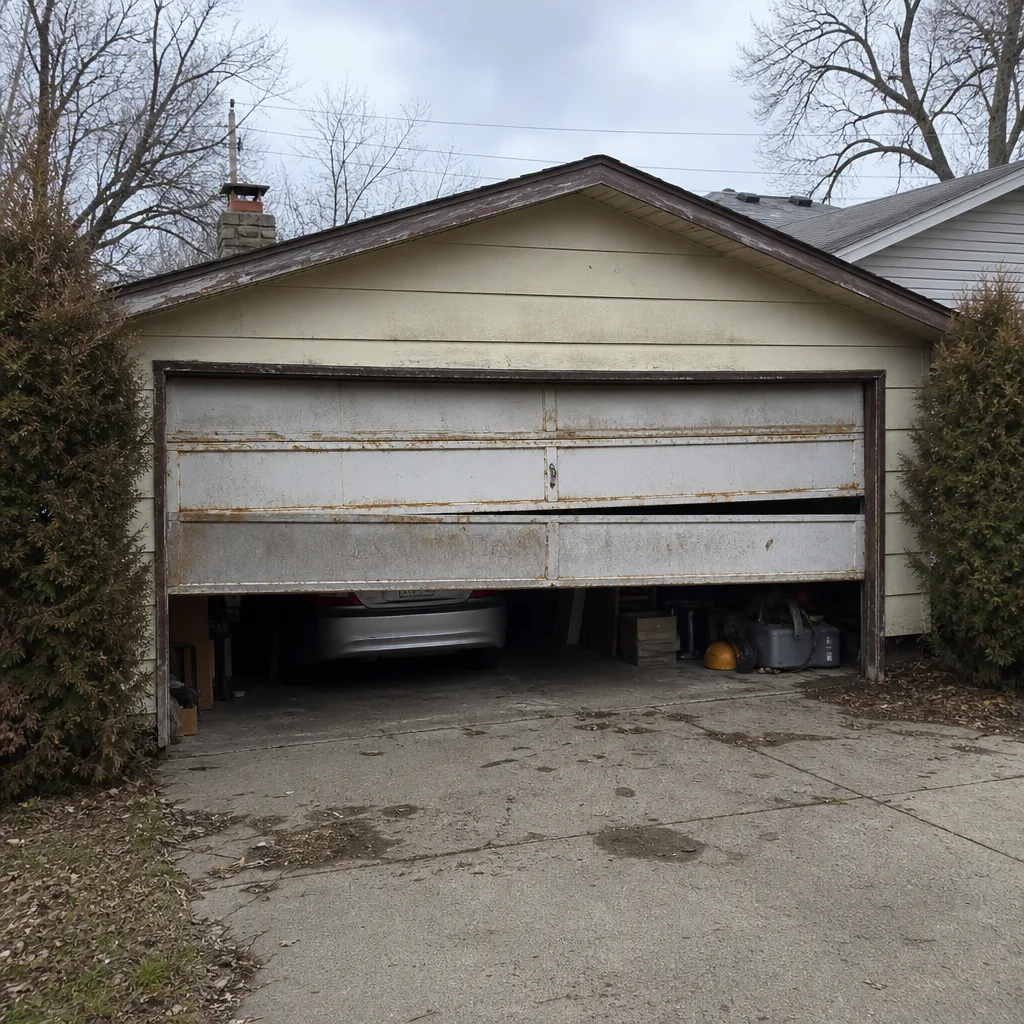 Before
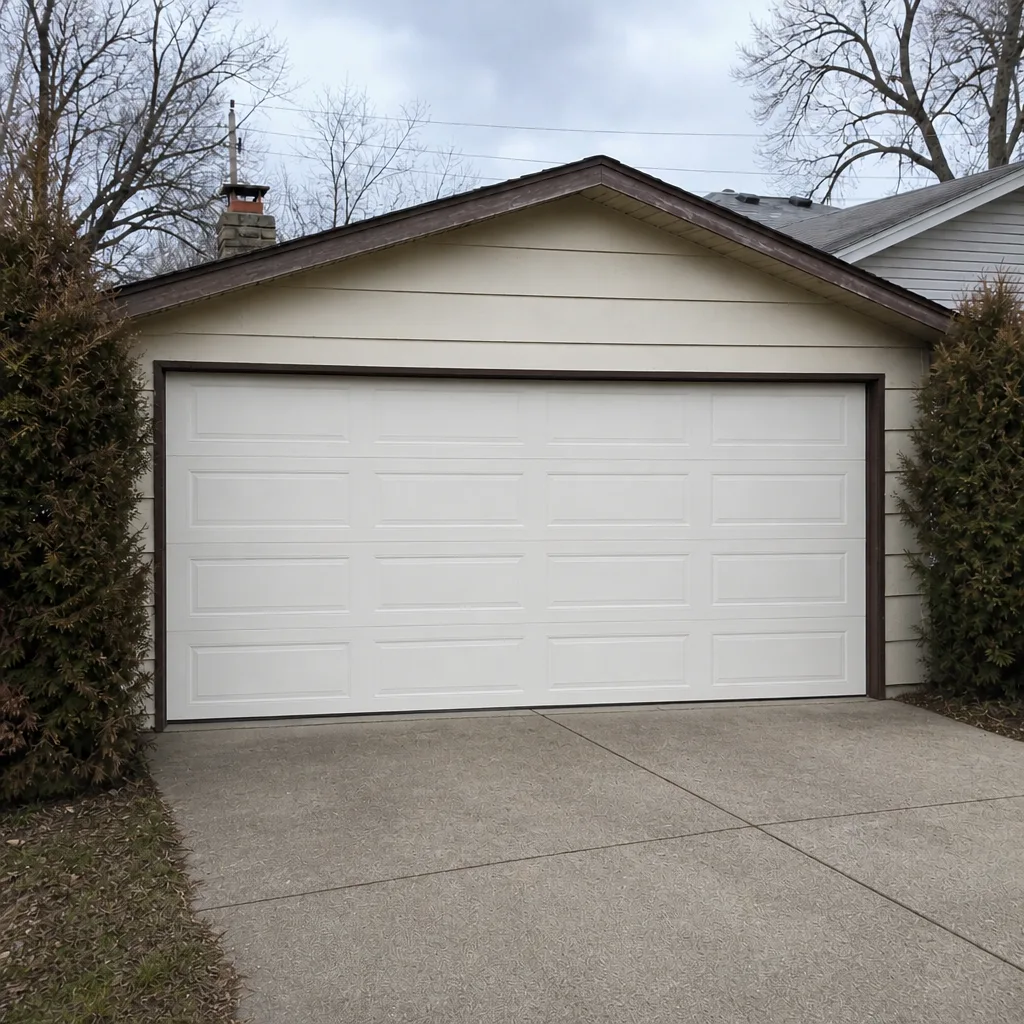 After
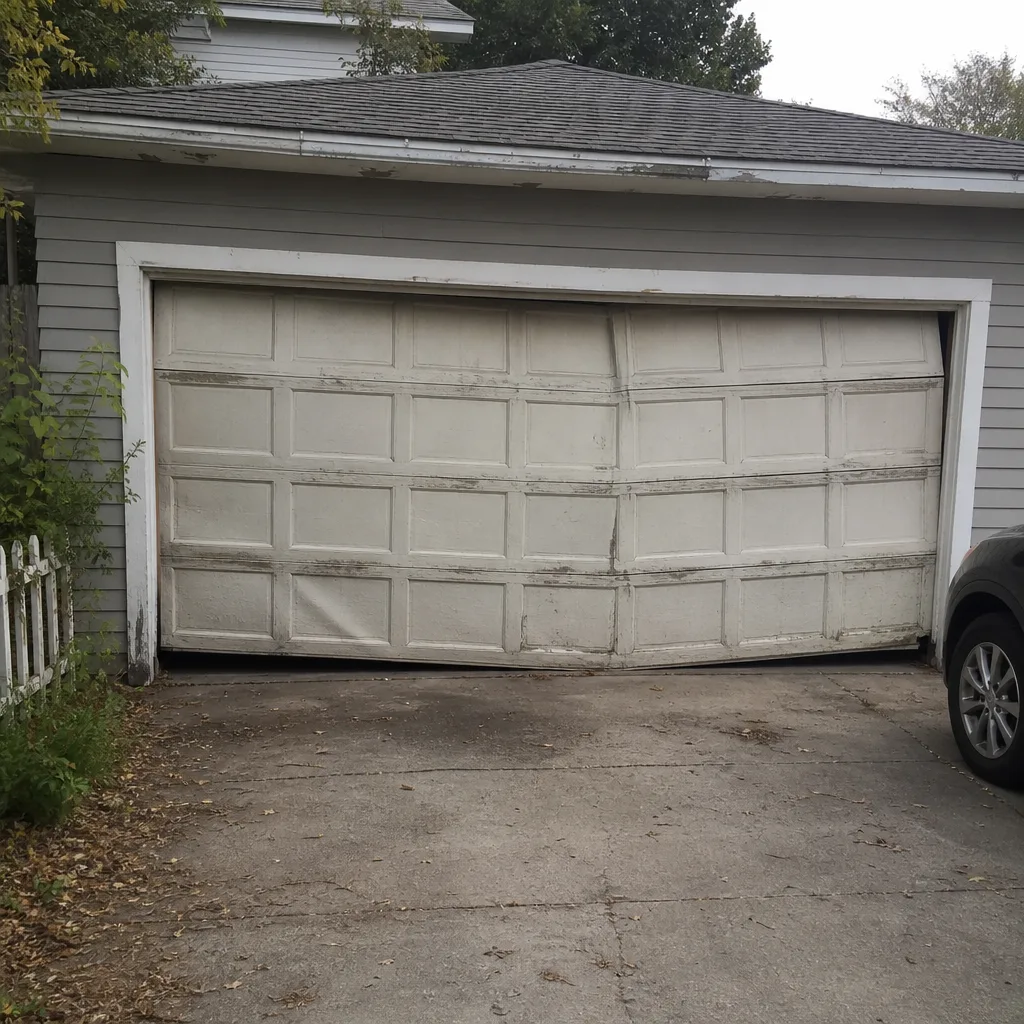 Before
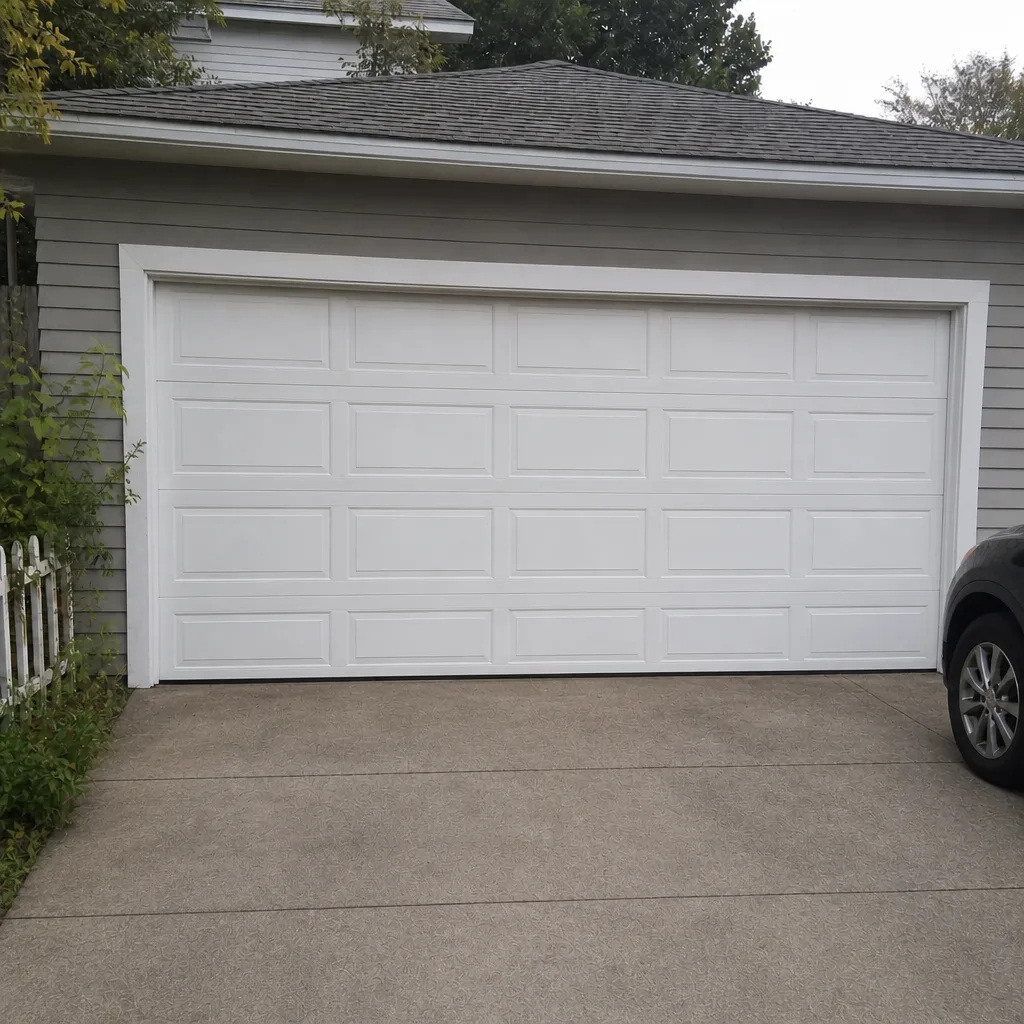 After
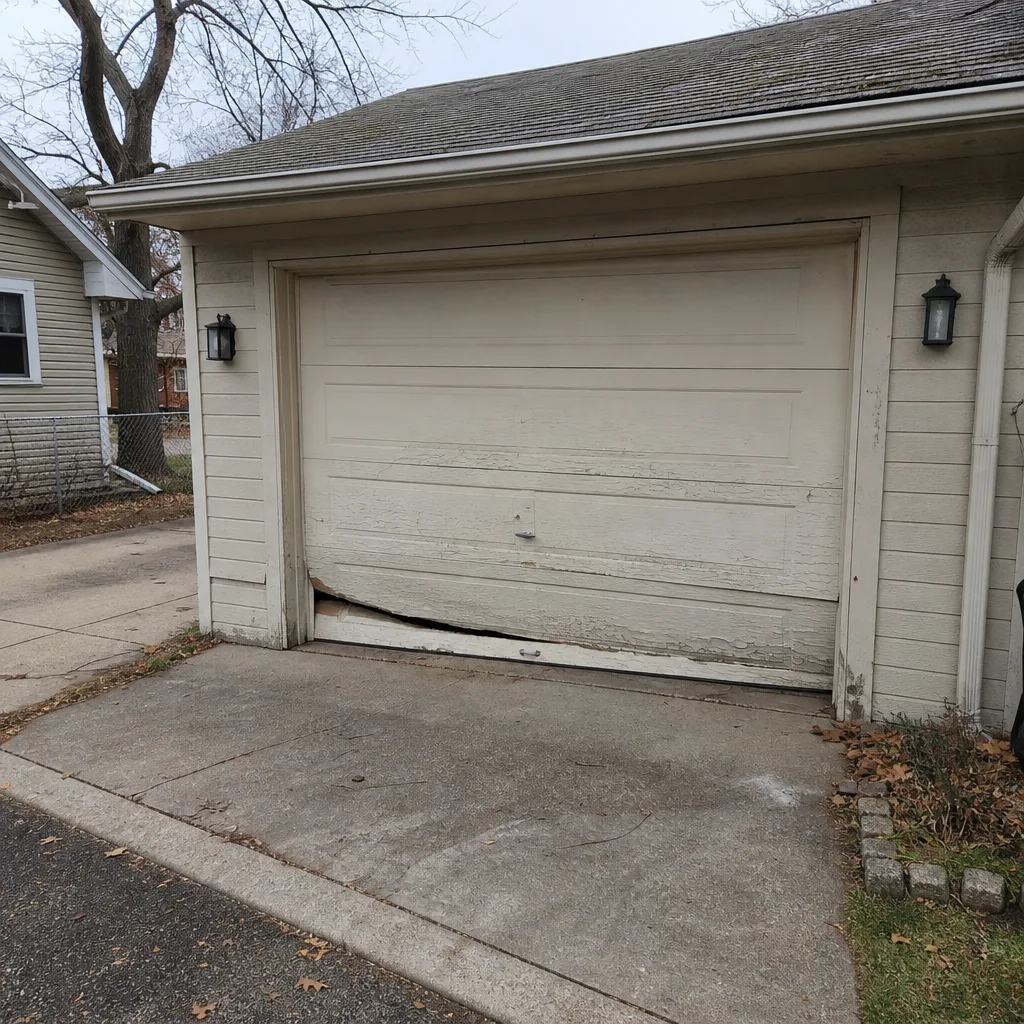 Before
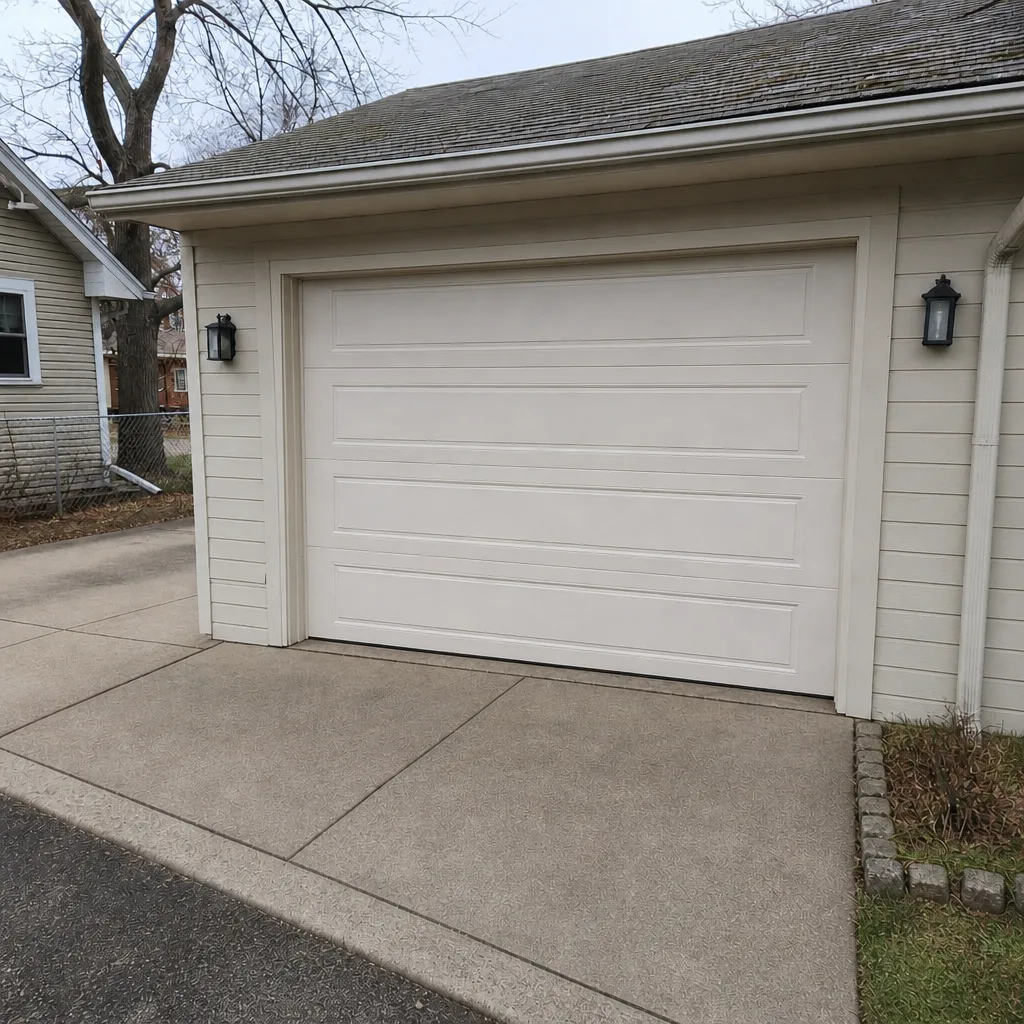 After
When to Call a Professional
Call us if the door is stuck open, if a spring has snapped, if the door has been hit by a vehicle, if the door won’t close and you’ve already checked sensors and remotes, if the opener runs but the door doesn’t move, or if you’re not sure whether the problem is mechanical or electrical. Those are exactly the situations where guessing wastes time and risks safety. The two jobs that require a trained professional no matter what, without exception, are torsion spring replacement and any work involving the door’s cables.
Highland Park Garage Door Repair Pros offers free estimates in Highland Park. Call (855) 710-4739. We answer 24/7. Fast dispatch from 7am to 7pm, Sunday through Friday. The price quoted is the price you agree to before any work starts, and the written estimate is what stands.
Frequently Asked Questions
Pull the red manual release cord hanging from the opener carriage, then lift the door by hand from the bottom center. Only pull the release with the door fully closed. Re-engage it by running the opener with the door closed so the carriage catches the trolley.
No. Torsion springs are under high tension and can cause serious injury when they release unexpectedly. Secure the door in the closed position, note the symptom, and call a technician. Spring repair is a trained-professional job on every residential door.
Not until the tracks, cables, and hinges have been assessed. If either vertical track is bent, running the door can pull a roller out of the track or bend the panel further. Turn off the opener and have it checked.
Freeze-thaw at the bottom seal and salt grit in the rollers are the usual causes. If the door binds when lifted by hand, it’s a mechanical issue with the door, not the opener. A technician can correct the seal, rollers, and track alignment.
We work on those brands and can source the correct remote rather than a universal replacement. Give us the opener model when you call and we’ll confirm what’s compatible with your unit.
The estimate is free, and the price is set per job by the written estimate you approve before any work starts. Call (855) 710-4739 for an exact quote.
The Bottom Line
Garage door emergencies in Highland Park split into five predictable categories, and most can be safely contained with two minutes of action and a released door. The four things to remember: test the manual release now, never lift a door on a broken spring, assess before you run anything after a vehicle strike, and have the brand and model of your opener ready before you call. Our technicians have up to 15 years of experience, we’re certified across eight major brands, and we handle repair, opener repair, springs, and new installation as one call. For a new door or a full replacement, our garage door installation service starts with a free measure and a written price.
Call (855) 710-4739 for a free estimate. Same-day and emergency service available, backed by Highland Park Garage Door Repair Pros. We answer 24/7. Fast dispatch from 7am to 7pm, Sunday through Friday. For more on our services and the local team, visit Highland Park Garage Door Repair Pros.
Written by the team at Highland Park Garage Door Repair Pros.